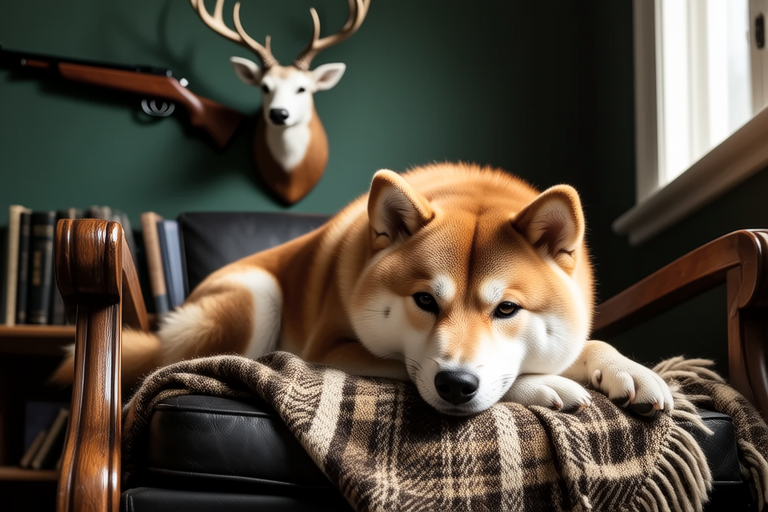
The Transformation of Shiba Inus: From Wild Huntsmen to Couch Potatoes
The Shiba Inu, a small but sturdy dog breed originating from Japan, has undergone significant transformations throughout history. Initially bred as resilient wild huntsmen, they now enjoy the status of cherished pets renowned for their independent yet affectionate nature. This article delves into the historical role of Shiba Inus, their physical and behavioral traits, changes in breeding practices, and the reasons behind their current popularity as ‘couch potatoes’ in modern households. It also provides scientific insights into genetic adaptations and sociocultural factors that have influenced this evolution.
Historical Role of Shiba Inus
Shiba Inus have a rich history dating back over 3000 years. Originating in Japan, these dogs were originally used for hunting purposes. They were adept at flushing out birds and small game, thanks to their keen sense of smell and agility. Their name “Shiba,” meaning “brushwood” or “thicket,” reflects their ability to navigate through dense vegetation. The breed was highly valued by hunters due to its loyalty, intelligence, and tenacity.
Physical and Behavioral Traits
Despite centuries of domestication, certain physical and behavioral traits have remained consistent across generations. Shiba Inus possess a double coat, which provides insulation against harsh weather conditions. This characteristic is particularly useful given their origin in mountainous regions of Japan. Additionally, they exhibit strong prey drive, alertness, and an independent spirit – qualities inherited from their hunting ancestors.
Behaviorally, Shibas are known for being aloof with strangers while forming deep bonds with family members. They can be somewhat stubborn but are also highly trainable when approached with patience and consistency. These traits make them excellent companions for experienced dog owners who understand how to handle an independent breed.
Changes in Breeding Over Centuries
The breeding practices of Shiba Inus have evolved significantly since their inception. Initially, selective breeding focused primarily on enhancing hunting abilities and physical endurance. However, as the breed transitioned from working dogs to companion animals, emphasis shifted towards developing desirable temperaments and maintaining health standards.
In the early 20th century, efforts were made to standardize the appearance and characteristics of the Shiba Inu. This period saw the establishment of breed clubs and the publication of breed standards. Today, breeders prioritize producing healthy puppies with correct conformation and balanced personalities.
Reasons Behind Current Popularity
Several factors contribute to the growing popularity of Shiba Inus as household pets. Firstly, their compact size makes them ideal for urban living spaces. Secondly, despite their independent streak, Shibas form strong attachments to their families once trust is established. Lastly, their unique appearance – characterized by a fox-like face and expressive eyes – adds to their appeal.
Scientific research indicates that selective breeding has led to genetic adaptations that enhance these dogs’ suitability as companions. For instance, studies suggest that certain genetic markers associated with social behavior and attachment may have been preserved during domestication.
Sociocultural Factors Influencing Evolution
The transformation of Shiba Inus from working dogs to beloved pets is closely tied to broader sociocultural shifts. As industrialization and urbanization transformed Japanese society, there was increased demand for smaller, more manageable breeds suitable for city life. Simultaneously, changing attitudes towards pet ownership encouraged people to view dogs less as tools and more as family members.
Key Milestones in Development
A few key milestones mark the development of the Shiba Inu:
- 3000 BCE: Evidence suggests that primitive versions of the Shiba Inu existed during this period.
- Early 20th Century: Standardization efforts began, leading to the creation of breed clubs and the publication of breed standards.
- Post-WWII Era: After near extinction following World War II, conservation efforts helped revive the breed.
- Late 20th Century: Increased global recognition spurred further growth in popularity.
Future Outlook
Looking ahead, it’s likely that the harmonious relationship between Shiba Inus and humans will continue to flourish. Advances in veterinary medicine and genetics promise improved health outcomes for future generations of Shibas. Moreover, ongoing educational initiatives aimed at promoting responsible pet ownership will ensure that these remarkable dogs remain cherished members of many households worldwide.
In conclusion, the journey of Shiba Inus from wild huntsmen to beloved pets exemplifies the dynamic nature of canine evolution. Through careful breeding, societal changes, and genetic adaptation, these resilient creatures have found new purpose as loyal companions in modern homes. As we look forward, there is much to anticipate in terms of continued collaboration between humans and Shibas, fostering deeper connections and mutual understanding.
