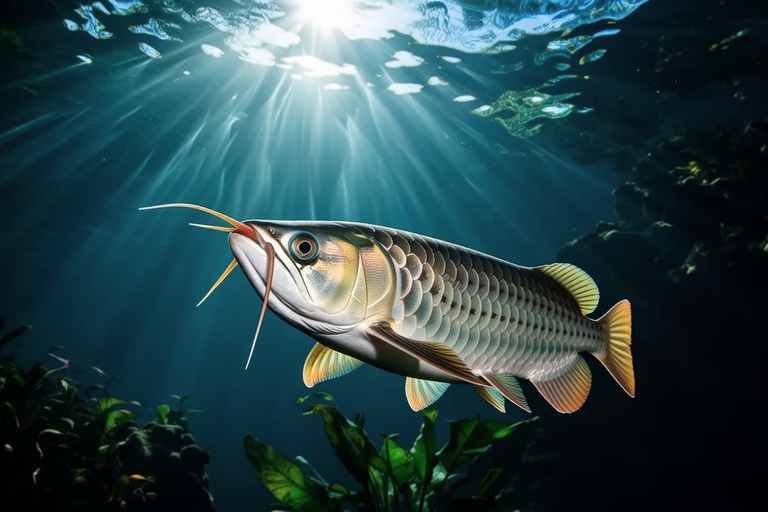
From Amazon to Aquarium: The Incredible Journey of the Arowana
The arowana, often referred to as the “dragon of the water,” is a fish that has captivated the imaginations of people for centuries. Its majestic appearance and historical significance have made it a symbol of power and prosperity in many cultures. Native communities in Southeast Asia revere the arowana, believing it to be a guardian spirit or a harbinger of good fortune. This reverence is reflected in its common name, derived from the Malay word “dragonfish,” a testament to its regal presence in aquatic environments.
Natural Habitat and Behavior
Wild arowanas are primarily found in the Amazon River Basin, where they thrive in the murky waters of tributaries and creeks. These waters are rich in nutrients and teem with life, providing ample hunting grounds for these apex predators. The Amazon’s dense vegetation and submerged roots create ideal hiding spots and breeding grounds, contributing to the arowana’s survival in its natural habitat.
Arowanas are carnivorous, feeding on insects, smaller fish, and crustaceans. They possess a unique ability to leap out of the water to catch prey, making them formidable hunters both in and out of the water. Their sleek bodies and powerful tails allow them to navigate through the water with grace and speed, while their sharp teeth enable them to seize and consume their prey efficiently.
In the wild, arowanas exhibit territorial behavior, especially during breeding season. Males will defend their territory against intruders, sometimes engaging in aggressive displays or physical confrontations. Females, on the other hand, are known for their parental care, carrying fertilized eggs in their mouths until they hatch. This behavior ensures the survival of the offspring, highlighting the arowana’s complex social structure and reproductive strategies.
Capturing and Transporting Arowanas
The journey from the Amazon to aquariums around the world is fraught with challenges. Capturing arowanas requires specialized techniques and equipment, as these fish are wary of human activity and can be difficult to locate in their natural habitat. Fishermen use large nets and traps to capture arowanas, often working in teams to ensure the safety and well-being of the fish during the process.
Once captured, arowanas must be transported carefully to avoid stress and injury. They are typically placed in large, aerated containers filled with oxygenated water. These containers are designed to mimic the conditions of their natural habitat as closely as possible, ensuring that the fish remain healthy during transport. The journey can take several days, depending on the destination, and requires careful monitoring to prevent any adverse effects on the fish.
Care Requirements and Unique Characteristics
Keeping arowanas in captivity presents unique challenges due to their size, temperament, and specific dietary needs. Arowanas require spacious tanks with plenty of swimming space and hiding places. The tank should be equipped with robust filtration systems to maintain water quality and provide adequate oxygenation. Regular water changes and maintenance are essential to ensure a healthy environment for the fish.
Arowanas are known for their intelligence and curiosity, often interacting with their surroundings and aquarium keepers. They are capable of recognizing individuals and may even respond to regular feeding times. However, their strong jaws and sharp teeth mean that caution must be exercised when handling or feeding these fish. Arowanas can grow up to three feet in length, so it is crucial to provide them with ample space to accommodate their growth.
In addition to their physical characteristics, arowanas are associated with various myths and legends. In some cultures, owning an arowana is believed to bring good luck and prosperity. These beliefs have contributed to the popularity of arowanas as ornamental fish, particularly in Southeast Asia. However, it is important to approach these myths with a critical eye and focus on responsible ownership and conservation efforts.
Conservation Efforts and the Role of Aquarium Enthusiasts
The increasing demand for arowanas has put pressure on wild populations, leading to concerns about overfishing and habitat destruction. Conservation efforts are underway to protect these magnificent creatures and ensure their survival for future generations. Many countries have implemented regulations to control the trade of arowanas and promote sustainable practices.
Aquarium enthusiasts play a crucial role in these conservation efforts by supporting ethical breeding programs and responsible purchasing practices. By choosing captive-bred arowanas, aquarists can help reduce the demand for wild-caught fish and contribute to the preservation of natural habitats. Additionally, educating others about the importance of conservation and responsible ownership can further support these efforts.
Through education and advocacy, aquarium enthusiasts can raise awareness about the plight of arowanas and inspire action to protect this iconic species. By working together, we can ensure that the “dragon of the water” continues to thrive both in its natural habitat and in the aquariums of dedicated enthusiasts.
