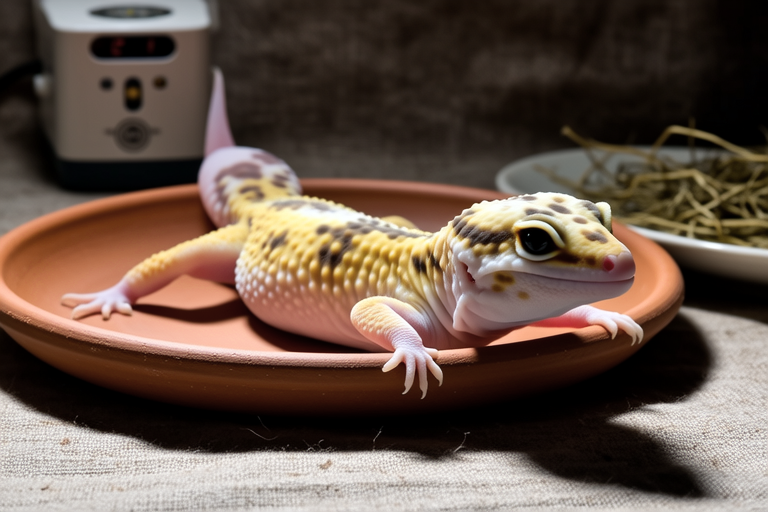
Everything You Need to Know Before Adopting a Leopard Gecko
Welcome to the wonderful world of leopard geckos! These fascinating creatures have become increasingly popular among reptile enthusiasts and first-time pet owners alike. Known for their docile nature, vibrant colors, and relatively low maintenance, leopard geckos make excellent companions. This comprehensive guide will walk you through everything you need to know before adopting a leopard gecko, ensuring you’re well-prepared for your new friend’s arrival.
Introduction to Leopard Geckos
Leopard geckos (Eublepharis macularius) are native to the arid regions of Afghanistan, Pakistan, and India. They are one of the most commonly kept reptiles as pets due to their ease of care, gentle demeanor, and striking appearance. These nocturnal lizards are known for their distinctive spots that resemble those of leopards, hence their name. With proper care, they can live up to 20 years or more, making them long-term companions.
Unique Characteristics
One of the most notable features of leopard geckos is their ability to regenerate their tails if lost. Unlike many other lizards, they do not rely on tail autotomy (shedding their tail) as a defense mechanism. Instead, they store fat reserves in their tails, which helps them survive during periods of food scarcity. Another interesting characteristic is their eyelids, which set them apart from other geckos that lack this feature.
Average Lifespan
With proper care, leopard geckos can live between 10 to 20 years or even longer. Factors such as diet, habitat conditions, and overall health significantly impact their longevity. Providing a balanced diet rich in nutrients, maintaining optimal temperatures, and keeping the enclosure clean are crucial for ensuring a long, healthy life for your gecko.
Dietary Needs
Leopard geckos are insectivores, meaning their diet consists primarily of insects. Crickets, dubia roaches, mealworms, and waxworms are common feeder insects. It’s essential to gut-load these insects with nutritious foods before feeding them to your gecko. Additionally, dusting the insects with calcium and vitamin D3 supplements helps prevent nutritional deficiencies.
Habitat Setup Requirements
The ideal habitat for a leopard gecko includes a spacious terrarium with plenty of hiding spots, a shallow water dish, and a substrate that mimics their natural environment. A 20-gallon tank is sufficient for one adult gecko, while larger tanks may be necessary for multiple geckos. Avoid using sand or gravel substrates, as they pose a risk of impaction. Instead, opt for reptile carpet, paper towels, or specially designed substrates like coconut fiber.
Heating and Lighting Specifics
Maintaining appropriate temperature gradients within the enclosure is vital for your gecko’s health. The cool side should be around 78°F (26°C), while the warm side should reach approximately 90°F (32°C). Use under-tank heaters or ceramic heat emitters to achieve these temperatures. Leopard geckos do not require UVB lighting; however, providing a low-wattage red bulb can help simulate nighttime activity.
Common Health Issues
Despite being generally hardy, leopard geckos are susceptible to certain health problems. Metabolic bone disease (MBD), caused by calcium deficiency, is one of the most common issues. Symptoms include swollen limbs, lethargy, and difficulty moving. Respiratory infections can also occur if the enclosure becomes too humid or cold. Regular vet checkups and proper husbandry practices can help prevent these conditions.
Cost of Ownership Including Initial Setup and Ongoing Expenses
Adopting a leopard gecko comes with both initial setup costs and ongoing expenses. Expect to spend around $100-$200 on the gecko itself, depending on age and coloration. Setting up the enclosure requires purchasing a tank, heat source, thermostat, thermometers, hide boxes, and substrate. Additional costs include food, supplements, and any necessary veterinary care. Annual expenses might range from $50 to $150, covering food, bedding, and occasional vet visits.
Behavioral Traits
Leopard geckos are generally calm and docile, making them ideal pets for beginners. They are nocturnal animals, active at night and resting during the day. Handling your gecko gently and regularly helps build trust. However, it’s important to respect their boundaries and avoid excessive handling, especially when they appear stressed or tired.
Compatibility with Children and Other Pets
Leopard geckos can be great pets for families with children, provided proper supervision is maintained. Children should learn how to handle the gecko correctly to avoid causing stress or injury. As for other pets, it’s best to keep leopard geckos isolated from dogs, cats, and other predatory animals to ensure their safety.
Adoption Process Tips
When adopting a leopard gecko, consider visiting local reptile expos or breeders rather than pet stores. This allows you to meet the gecko in person, observe its behavior, and ask questions about its background. Ensure the breeder provides a health guarantee and offers guidance on basic care. Always quarantine new additions to your collection for at least two weeks to monitor for any signs of illness.
Advice for First-Time Reptile Owners
Starting with a leopard gecko can be an excellent way to gain experience in reptile care. Take time to research extensively before bringing one home. Join online forums and local clubs where you can connect with experienced owners who share valuable tips and resources. Remember, patience and commitment are key to successfully caring for your new pet.
In conclusion, adopting a leopard gecko can be an enriching experience filled with joy and learning. By understanding their unique needs and providing them with a loving home, you’ll enjoy years of companionship with these captivating creatures.
