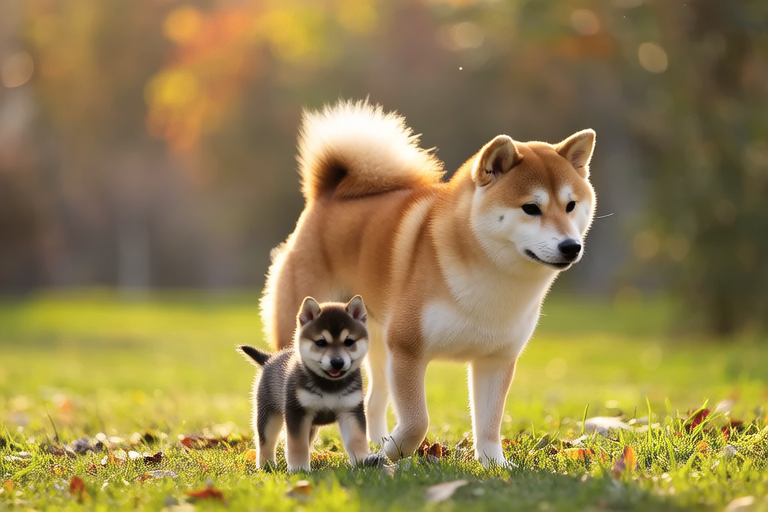
Shiba Inu Parenting 101: Expert Tips for Raising This Independent Breed
Welcome to the world of Shiba Inu parenting! These dogs are more than just pets; they’re companions with a rich history dating back thousands of years. Known for their striking red coats and fox-like appearance, Shiba Inus are independent, resilient, and full of character. They are one of the oldest dog breeds native to Japan and have been bred for hunting small game in mountainous regions. Their independence and resilience make them unique among other dog breeds, but also require a specific approach to parenting.
Understanding Your Shiba Inu
Shiba Inus are known for their independent streak and strong will. They can be aloof around strangers but are fiercely loyal to their families. This breed thrives on mental stimulation and requires patient, positive reinforcement training. Understanding your Shiba Inu’s temperament and behavior is key to successful parenting.
Basic Training Techniques
Training a Shiba Inu requires patience and consistency. These dogs are intelligent but can be stubborn, making it important to use positive reinforcement methods. Start with basic commands like ‘sit,’ ‘stay,’ and ‘come.’ Use treats as rewards to encourage good behavior. Keep training sessions short and fun to maintain their interest. Avoid harsh corrections, as this can lead to fear or aggression.
One effective technique is clicker training. The clicker provides immediate feedback, helping your Shiba Inu understand what behavior is desired. Pair the click with a treat to reinforce the behavior. This method is particularly useful for teaching complex tricks or behaviors.
Essential Nutrition Guidelines
Feeding your Shiba Inu a balanced diet is crucial for their overall health and well-being. Choose high-quality dog food that meets their nutritional needs. Look for options with real meat as the primary ingredient and avoid fillers and artificial preservatives. Consult with your veterinarian to determine the appropriate portion size based on your Shiba Inu’s age, weight, and activity level.
Avoid overfeeding, as obesity can lead to health problems. Monitor your Shiba Inu’s body condition regularly and adjust their diet as needed. Fresh water should always be available. Consider adding supplements such as omega-3 fatty acids for their skin and coat health, under the guidance of your vet.
Grooming Tips
The Shiba Inu’s double coat requires regular grooming to keep it healthy and free from mats. Brush your Shiba Inu at least once a week, increasing frequency during shedding seasons. Use a slicker brush to remove loose hair and prevent matting. Bathing should be done every few months, or as needed, using a mild dog shampoo. Pay special attention to areas prone to matting, such as behind the ears and under the legs.
Trimming nails and cleaning ears are also important grooming tasks. Keep nails trimmed to prevent discomfort and injury. Clean ears weekly to prevent infections. Always use gentle, non-toxic products and consult with your vet if you notice any unusual odors or discharge.
Common Health Issues
Like all dog breeds, Shibas are prone to certain health issues. Hip dysplasia and patellar luxation are common orthopedic conditions. Regular exercise and a healthy diet can help prevent these issues. Eye problems, including progressive retinal atrophy, are also prevalent. Early detection through regular veterinary check-ups is crucial.
Dental care is another important aspect of maintaining your Shiba Inu’s health. Brush their teeth regularly and provide dental chews to promote oral hygiene. Dental disease can lead to serious health problems, so it’s essential to take preventive measures.
Socialization Strategies
Socializing your Shiba Inu is vital for their development into a well-rounded adult dog. Expose them to various environments, people, and animals from a young age. Positive interactions help build confidence and reduce fear or aggression towards unfamiliar situations. Puppy classes are an excellent way to socialize your Shiba Inu while teaching basic obedience.
Encourage playdates with other dogs and visits to different locations, such as parks and pet stores. Introduce new experiences gradually and reward calm, friendly behavior. Socialization should continue throughout your Shiba Inu’s life to ensure they remain comfortable and adaptable.
Maintaining a Balanced Relationship
Respecting your Shiba Inu’s independence is key to maintaining a balanced relationship. While they may not seek constant attention, they still need love and affection. Spend quality time together through activities they enjoy, such as hiking or playing fetch. Provide them with toys that challenge their mind and body, promoting physical and mental stimulation.
Establish clear boundaries and routines to give your Shiba Inu a sense of security. Consistency helps them understand expectations and reduces unwanted behaviors. Remember, every Shiba Inu is unique, so tailor your approach to meet their individual needs.
In conclusion, raising a Shiba Inu is a rewarding experience that requires understanding, patience, and dedication. By following these expert tips, you’ll be well-equipped to provide your Shiba Inu with the care and attention they deserve. Embrace their independence while ensuring they feel loved and valued as part of your family.
