Top 10 Fascinating Facts About Keeping a Water Monitor as Your Companion
Water monitors (Varanus salvator) are one of the most impressive reptiles you can keep as pets. These large, semi-aquatic lizards have captivated reptile enthusiasts for years with their unique behaviors, striking appearance, and fascinating biology. However, owning a water monitor comes with significant responsibilities and considerations. This article explores ten fascinating facts about keeping a water monitor as your companion, providing insights into their habitat, diet, behavior, and care requirements.
Fact 1: The Water Monitor’s Habitat
Native to Southeast Asia, water monitors thrive in diverse environments, from dense forests to mangrove swamps, riverbanks, and even urban areas. In the wild, they are highly adaptable and can be found near water bodies, where they hunt and bask. As pets, they require spacious enclosures that mimic these natural habitats. A juvenile water monitor can start in a 4 x 2 x 2-foot enclosure, but as they grow, they will need significantly larger spaces. Adult monitors may require custom-built enclosures measuring up to 10 x 6 x 6 feet or more. Proper substrate, such as cypress mulch or coconut fiber, helps maintain humidity levels and provides a comfortable surface for digging and burrowing.
Fact 2: Diverse Diet
Water monitors are opportunistic feeders with a varied diet. In the wild, they consume insects, small mammals, birds, fish, amphibians, and even carrion. As pets, they can be fed a diet consisting of rodents, feeder fish, crickets, and mealworms. Juveniles should be fed daily, while adults can be fed every other day. It’s crucial to offer a balanced diet to prevent nutritional deficiencies. Calcium and vitamin D3 supplements are essential for maintaining bone health, especially in growing lizards. Feeding a variety of prey items ensures a well-rounded diet and prevents picky eating habits.
Fact 3: Unique Physical Characteristics
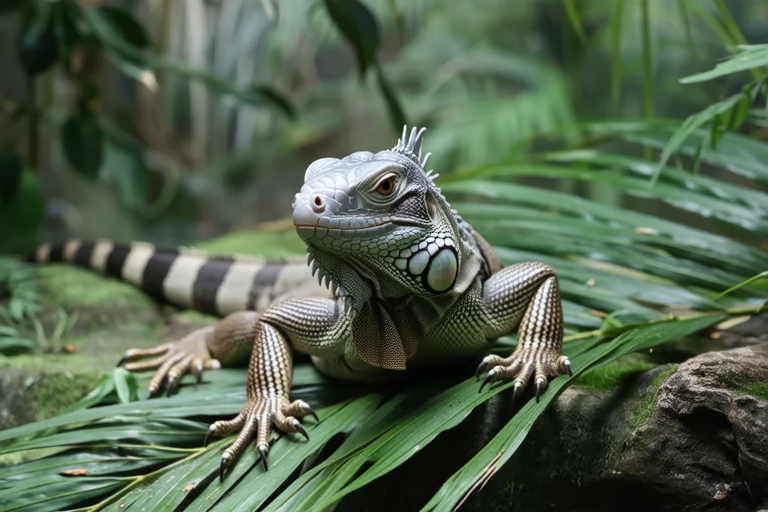
One of the most striking features of water monitors is their size. They can reach lengths of up to 7 feet and weigh over 50 pounds. Their long, muscular tails are used for swimming and balance, while sharp claws aid in climbing and digging. Water monitors also possess a keen sense of smell, which they use to locate prey. Additionally, they have a forked tongue that helps them detect chemical signals in the environment. Their skin is covered in scales that provide protection and help regulate body temperature. The coloration of water monitors varies depending on their location and age, ranging from brown to black with lighter spots or stripes.
Fact 4: Behavior and Temperament
Water monitors are intelligent and curious animals that can form strong bonds with their owners. However, they are not typically handled like other reptiles due to their size and strength. While juveniles may tolerate handling, adult monitors prefer to interact from a distance. Providing enrichment activities, such as hiding spots, climbing structures, and water dishes, encourages natural behaviors and reduces stress. Regular interaction and positive reinforcement training can help build trust and improve communication between the lizard and its owner.
Fact 5: Environmental Needs
Maintaining the right environmental conditions is crucial for the health and well-being of water monitors. Temperature gradients within the enclosure are vital for thermoregulation. A basking spot should reach temperatures of 95-100°F, while cooler areas should range from 80-85°F. Humidity levels should be kept between 60-80% to prevent dehydration and respiratory issues. UVB lighting is essential for calcium absorption and overall health. A 10.0 UVB bulb placed within 12-18 inches of the basking area provides adequate exposure. Regular misting and the provision of a water dish encourage hydration and promote healthy shedding.
Fact 6: Lifespan and Growth
With proper care, water monitors can live for 10-15 years or more. Juvenile water monitors grow rapidly during their first few years, reaching adult size by around 3-4 years old. Monitoring growth is important to ensure that the lizard is receiving enough nutrients and space. Overfeeding can lead to obesity, while underfeeding can result in stunted growth. Regular veterinary check-ups and routine health assessments help identify any potential issues early on.
Fact 7: Legal Considerations
Prior to acquiring a water monitor, it’s essential to research local laws and regulations regarding exotic pet ownership. Some regions have strict restrictions or bans on keeping certain species, including water monitors. Obtaining the necessary permits and licenses is crucial to avoid legal consequences. Responsible breeding practices and ethical sourcing are also important factors to consider when choosing a reputable breeder or rescue organization.
Fact 8: Social Interaction
Water monitors are generally solitary animals in the wild, but they can coexist peacefully with other monitors of similar size if introduced carefully. Housing multiple monitors together requires a much larger enclosure with plenty of space and resources to prevent territorial disputes. Interactions between monitors should be monitored closely to ensure the safety and well-being of all individuals involved. Aggression can occur if resources are limited or if there is insufficient space.
Fact 9: Health Concerns
Common health issues in water monitors include metabolic bone disease (MBD), respiratory infections, and parasites. MBD is caused by a lack of calcium and vitamin D3, leading to weak bones and deformities. Respiratory infections can develop due to poor ventilation or low humidity levels. Parasites can be introduced through contaminated food or substrate. Regular veterinary check-ups and preventative measures, such as quarantine periods for new additions to the enclosure, help minimize the risk of health problems.
Fact 10: Commitment and Responsibility
Owning a water monitor is a significant commitment that requires dedication, time, and resources. Potential owners must be prepared to invest in a suitable enclosure, heating and lighting equipment, and a balanced diet. Regular maintenance of the enclosure, including cleaning and sanitizing, is necessary to ensure a healthy living environment. Education and ongoing learning about water monitor care are essential for providing the best possible life for these fascinating creatures.
In conclusion, water monitors are captivating and unique pets that offer a rewarding experience for responsible owners. By understanding their habitat, diet, behavior, and care requirements, you can provide a stimulating and enriching environment for your water monitor. With proper attention and care, these impressive lizards can become cherished companions for many years to come.
