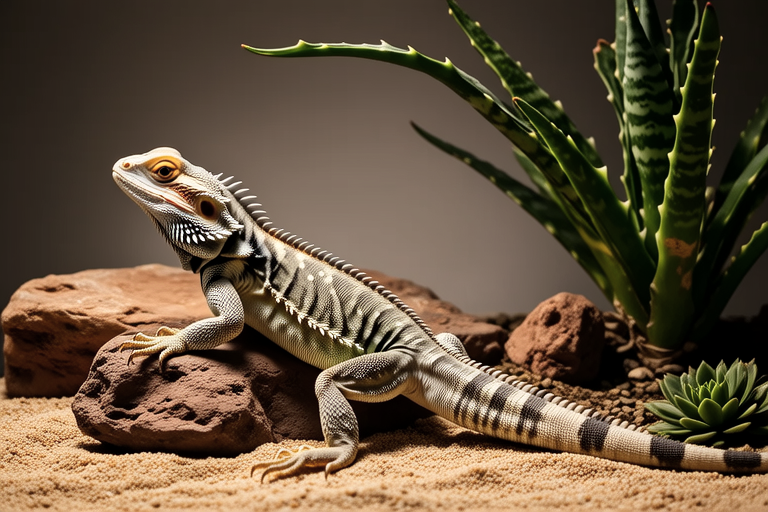
Transforming Your Home into a Bearded Dragon Paradise: A Step-by-Step Guide
Welcome to your ultimate guide on creating a perfect home for your bearded dragon! This comprehensive step-by-step guide will help you set up a safe, comfortable, and stimulating environment for your scaly friend. From selecting the right habitat to providing a balanced diet, we’ll cover everything you need to know to ensure your bearded dragon thrives.
Step 1: Setting Up the Perfect Habitat
The first step in transforming your home into a bearded dragon paradise is setting up the perfect habitat. Choose a spacious tank that allows your dragon ample room to move around. A 40-gallon breeder tank is ideal for adult bearded dragons, providing enough space for them to stretch out and bask comfortably.
Ensure the tank has a secure lid to prevent escapes. Bearded dragons are excellent climbers, so make sure the lid is escape-proof. You can use screen lids or mesh covers to allow for proper ventilation while keeping your pet safely inside.
Step 2: Selecting Appropriate Lighting and Heating Equipment
Bearded dragons require specific lighting and heating conditions to thrive. Invest in high-quality UVB bulbs, which are crucial for calcium absorption and overall health. Place the UVB bulb at one end of the tank, creating a basking area where your dragon can soak up the beneficial rays. Position the light so it’s about 12 inches away from the basking spot for optimal exposure.
Supplement the UVB light with a heat lamp to maintain the correct temperature gradient within the enclosure. The warm side should reach between 95°F and 110°F (35°C to 43°C), while the cool side should be around 80°F to 85°F (27°C to 29°C). Use a thermometer to monitor these temperatures accurately.
Avoid placing the heat lamp directly above the basking spot, as this can cause overheating. Instead, position it at an angle to provide indirect heat. Remember, bearded dragons are ectothermic, meaning they rely on external sources to regulate their body temperature. Providing a range of temperatures allows them to thermoregulate effectively.
Step 3: Choosing the Right Substrate
Selecting the appropriate substrate is vital for your bearded dragon’s health. Avoid substrates like sand, gravel, or wood shavings, as they can pose ingestion risks and lead to impaction. Opt for safer alternatives such as paper towels, reptile carpet, or specially designed paper-based substrates.
Paper towels are ideal for hatchlings and juveniles, providing a simple and easily replaceable surface. As your dragon grows, switch to reptile carpet or paper-based substrates, which offer more durability and ease of cleaning. These substrates also reduce the risk of impaction and other health issues.
Step 4: Furnishing with Suitable Decorations
Adding appropriate decorations to your bearded dragon’s habitat enhances its comfort and enriches its environment. Provide sturdy branches and rocks for climbing and basking. Ensure these items are securely placed to prevent tipping or collapsing.
Incorporate hiding spots to give your dragon a sense of security. You can use commercially available reptile caves or create your own using inverted planters or cardboard boxes. Make sure these hiding spots are large enough for your dragon to fit comfortably but small enough to feel enclosed.
Include live or artificial plants for visual appeal and additional climbing opportunities. Live plants can provide natural enrichment, but ensure they are non-toxic and safe for reptiles. Artificial plants are a great alternative if you’re unsure about the toxicity of certain species.
Step 5: Ensuring Proper Ventilation
Proper ventilation is essential for maintaining a healthy environment within the enclosure. Ensure there are adequate airflows to prevent the buildup of harmful bacteria and ammonia. Screen lids or mesh covers are effective in allowing fresh air to circulate while keeping your dragon secure.
Avoid overcrowding the tank with too many decorations, as this can obstruct airflow. Regularly clean and inspect the enclosure to ensure it remains well-ventilated and free from stagnant air.
Step 6: Providing a Balanced Diet
Nutrition plays a crucial role in your bearded dragon’s health and wellbeing. Offer a balanced diet consisting of a variety of insects and vegetables. Feed your dragon crickets, dubia roaches, mealworms, and waxworms as protein sources. Dust these insects with calcium and vitamin D3 supplements to support bone health and metabolism.
Provide leafy greens like collard greens, mustard greens, and dandelion greens as a source of vitamins and minerals. Limit the intake of iceberg lettuce and other low-nutrient vegetables. Offer fruits sparingly, as they are high in sugar and can disrupt the balance of the diet.
Use a shallow water dish for hydration, ensuring it is always clean and filled with fresh water. Monitor your dragon’s water consumption and adjust the amount accordingly.
Safety Tips and Common Mistakes to Avoid
To ensure the safety and wellbeing of your bearded dragon, follow these safety tips:
- Handle with care: Always handle your dragon gently and support its body fully to prevent injury.
- Monitor temperature: Keep a close eye on the temperature within the enclosure to avoid overheating or hypothermia.
- Keep food fresh: Feed your dragon only fresh and appropriately sized insects to prevent digestive issues.
- Regular vet check-ups: Schedule routine veterinary visits to catch any potential health issues early.
Common mistakes to avoid include:
- Using inappropriate substrates that can lead to impaction.
- Overcrowding the enclosure, which can cause stress and limit movement.
- Feeding too many high-sugar foods, which can lead to obesity and other health problems.
- Ignoring signs of illness, which can worsen if left untreated.
Maintaining a Clean and Healthy Environment
Maintaining a clean and healthy environment is key to your bearded dragon’s longevity and happiness. Clean the enclosure regularly, removing waste and replacing dirty substrate. Disinfect the tank and furnishings periodically to eliminate harmful bacteria and parasites.
Wash food and water dishes daily to prevent bacterial growth. Use mild, pet-safe cleaners and rinse thoroughly before returning the items to the enclosure. Regularly check for signs of wear and tear on decorations and equipment, replacing anything that shows signs of damage or instability.
By following these steps and guidelines, you’ll create a safe, comfortable, and stimulating environment for your bearded dragon. With proper care and attention, your scaly friend will thrive in its new home, bringing joy and companionship to your household.
Remember, owning a bearded dragon is a rewarding experience that requires commitment and dedication. By providing a well-maintained habitat, balanced diet, and regular care, you’ll ensure your dragon lives a long and happy life. Happy dragon-keeping!
