Unlocking the Mystery of Leopard Gecko Behavior
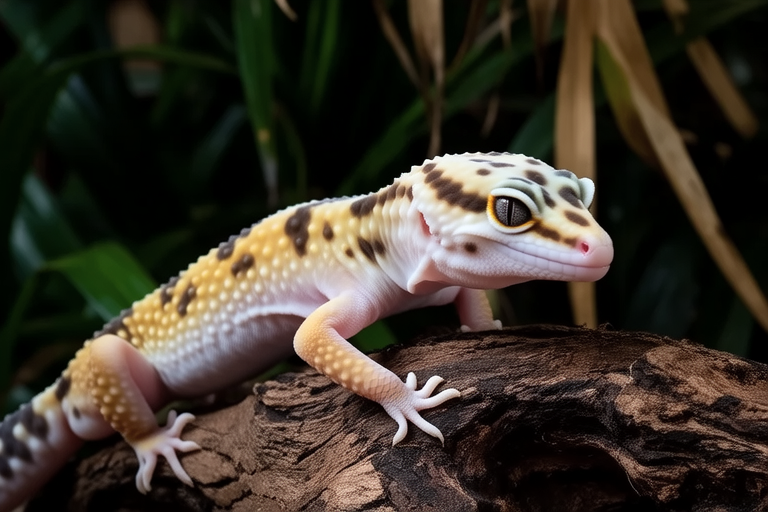
Welcome to the fascinating world of leopard geckos! These charming reptiles, native to the arid regions of Afghanistan, Pakistan, and parts of India, have captivated pet owners worldwide with their unique appearance and intriguing behaviors. With their distinctive spots resembling those of leopards, these geckos are not only visually appealing but also offer a wealth of interesting behavioral patterns that can be both educational and entertaining.
Unique Characteristics of Leopard Geckos
Leopard geckos possess several unique traits that set them apart from other reptiles. They are crepuscular, meaning they are most active during twilight hours, which makes them ideal pets for those who enjoy watching their pets during the evening. Their ability to store fat in their tails for survival during lean times adds to their resilience and adaptability. Additionally, leopard geckos lack adhesive toe pads, unlike many other gecko species, instead relying on claws for traction on surfaces.
Natural Habitat and Its Influence on Behavior
The natural habitat of leopard geckos plays a significant role in shaping their behavior. Native to arid regions, these geckos are accustomed to hot days and cool nights. This environment influences their preference for specific temperature ranges and humidity levels. In the wild, they seek shelter under rocks or in burrows during the day to avoid the intense heat, emerging at dusk to hunt for insects. Understanding these preferences is crucial for providing a suitable environment for pet leopard geckos.
Common Behaviors: Basking, Hunting, and Social Interactions
Basking
One of the most noticeable behaviors of leopard geckos is basking. They often position themselves near heat sources to regulate their body temperature. This practice is essential for maintaining optimal metabolic function and overall health. Providing a proper heat gradient within the enclosure allows your gecko to thermoregulate effectively.
Hunting
Leopard geckos are skilled hunters, primarily feeding on live insects such as crickets, mealworms, and waxworms. They rely on their keen sense of smell and hearing to locate prey. Owners should ensure a varied diet to meet nutritional requirements and stimulate natural hunting instincts. Regular feeding sessions help maintain their physical condition and mental engagement.
Social Interactions
Contrary to popular belief, leopard geckos are generally solitary animals in the wild. While they may coexist peacefully in captivity, introducing multiple geckos requires careful consideration. Males are territorial and may fight if housed together, while females can sometimes share enclosures provided there is ample space and resources. Monitoring interactions closely is essential to prevent stress or injury.
Understanding Body Language
Leopard geckos communicate through various forms of body language. A relaxed gecko will typically remain still, with its tail curled up. If your gecko is stressed or threatened, it might flatten its body against the ground or puff up its throat to appear larger. Tail-dropping is another defensive mechanism used when the gecko feels extremely threatened; however, this behavior should be avoided in captivity as it can lead to infections.
Vocalizations
While less common than in some other reptile species, leopard geckos can produce vocalizations. Soft chirping sounds are often heard during mating season or when two geckos are interacting. Some geckos may also make clicking noises, especially when excited or distressed. Familiarizing yourself with these sounds can provide insights into your gecko’s emotional state.
Nocturnal Habits
As nocturnal creatures, leopard geckos are most active during the night. Their eyes are adapted to low light conditions, allowing them to navigate and hunt efficiently in darkness. Providing adequate hiding spots and maintaining appropriate lighting cycles are vital for simulating their natural environment and ensuring they get enough rest during the day.
Tips for Owners: Interpreting Behaviors for Better Care
Observing your gecko’s behavior can provide valuable information about its health and well-being. Regularly checking for signs of stress, such as reduced activity or changes in eating habits, can help identify potential issues early. Ensuring a balanced diet, proper hydration, and a clean living environment are key factors in promoting a healthy lifestyle. Consulting with a veterinarian specializing in reptiles can also offer guidance on specific care needs.
Enriching Environments to Encourage Healthy Behaviors
To promote healthy behaviors, it’s important to create an enriching environment for your leopard gecko. Providing a variety of hiding spots, climbing structures, and tunnels can stimulate exploration and mental stimulation. Introducing new objects periodically helps keep the enclosure interesting and encourages natural behaviors. Additionally, offering different types of substrates allows for varied textures and experiences, enhancing overall satisfaction.
In conclusion, understanding and appreciating the behavior of leopard geckos not only enhances the bond between you and your pet but also ensures their well-being. By creating a stimulating and supportive environment, you can unlock the mystery of their behaviors and enjoy the rewarding experience of caring for these captivating creatures.
