Unraveling the Mystery of the Chilean Rose Tarantula: A Beginner’s Guide
The Chilean Rose Tarantula, also known as Grammostola rosea, is one of the most popular tarantulas among hobbyists and enthusiasts. This article aims to provide a comprehensive guide for beginners interested in learning about these fascinating creatures. From their unique appearance and temperament to their dietary needs and care requirements, we will explore every aspect of owning a Chilean Rose Tarantula.
Unique Appearance and Temperament
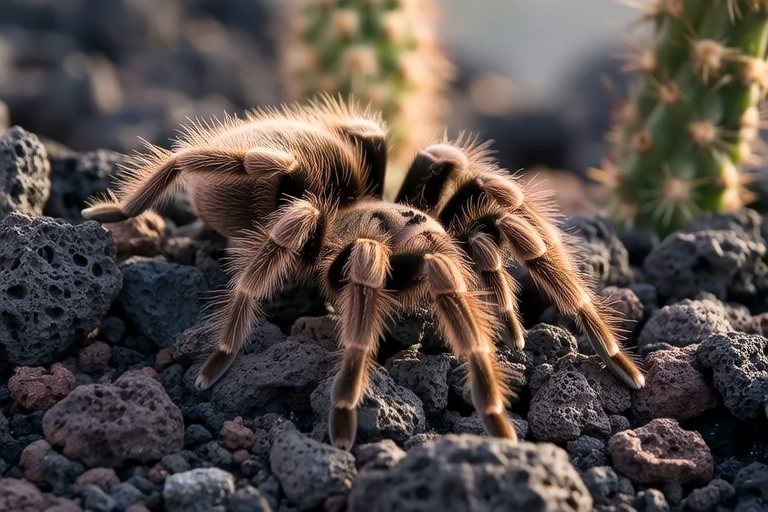
The Chilean Rose Tarantula has a distinctive appearance that makes it stand out among other arachnids. They are medium-sized spiders with a body length of around 2.5 inches and leg spans reaching up to 6 inches. Their coloration ranges from light brown to pinkish hues, which gives them their name. These tarantulas have dark hairs covering their bodies, adding to their mystique. The Chilean Rose Tarantula is known for its relatively docile nature, making it an excellent choice for beginners who want to handle their pets occasionally. However, it is important to remember that while they are generally calm, each tarantula can have its own personality.
Natural Habitat and Dietary Needs
Native to the deserts and scrublands of Chile, Argentina, and Bolivia, the Chilean Rose Tarantula thrives in warm, dry environments. In the wild, they burrow into the ground or seek shelter under rocks and logs to avoid predators and extreme temperatures. Understanding their natural habitat helps us create suitable living conditions for our pet tarantulas at home.
When it comes to diet, the Chilean Rose Tarantula is primarily carnivorous. In captivity, they feed on crickets, mealworms, and occasional waxworms. It is crucial to ensure that the prey items are appropriately sized for your tarantula; overly large insects could pose choking hazards or cause digestive issues. Feeding should be done once or twice a week depending on the age and size of the tarantula.
Care Requirements for Potential Owners
Creating a comfortable environment for your Chilean Rose Tarantula involves mimicking aspects of its natural habitat. A glass terrarium with a secure lid provides an ideal enclosure. The substrate inside should be around 3-4 inches deep, allowing your pet enough space to dig and burrow comfortably. Suitable substrates include coconut fiber, peat moss, or a mix of both. Proper ventilation is essential to prevent moisture buildup, which can lead to mold growth and respiratory problems.
Maintaining the right temperature and humidity levels is vital for the health of your tarantula. Aim for daytime temperatures between 78°F and 82°F (25°C – 28°C), dropping slightly at night to around 70°F (21°C). Humidity should be kept low, between 50% and 60%, to replicate the arid conditions found in their native habitats.
Handling and Housing Tips
While the Chilean Rose Tarantula is generally easy to handle, it is still important to approach them with caution. Always wash your hands before and after handling your tarantula to remove any residues that might harm them. Gently scoop your tarantula from its enclosure using a small container or your hand, avoiding direct contact with its abdomen, which houses vital organs. Place your tarantula on a flat surface and allow it to walk onto your hand if it feels comfortable doing so.
Housing your tarantula properly ensures its well-being. Provide hiding spots within the enclosure such as cork bark or half logs. These shelters offer security and help reduce stress. Additionally, ensure there is a shallow water dish available for drinking purposes. Regularly check the water dish and replace the water every few days to maintain cleanliness.
Common Health Issues and Signs of a Healthy Tarantula
Like all animals, tarantulas can suffer from various health issues. Common problems include mites, molting complications, and bacterial infections. Mites can infest your tarantula’s enclosure, leading to irritation and weakened immune systems. To prevent mite infestations, clean the enclosure regularly and quarantine new tarantulas before introducing them to existing colonies.
Molting is a natural process where tarantulas shed their exoskeletons to grow. During this time, they become more vulnerable and require extra care. Ensure that the humidity levels are appropriate for safe molting. If your tarantula appears lethargic or refuses food before molting, increase the humidity slightly but monitor closely.
A healthy Chilean Rose Tarantula exhibits certain signs. They are active during feeding times and show no signs of distress. Their legs and abdomen should appear full and plump without any discoloration or lesions. Regular observation allows you to catch potential health issues early, ensuring prompt treatment.
Advice for Beginners
For those considering the Chilean Rose Tarantula as a pet, here are some initial steps to take:
- Research extensively: Before purchasing any pet, including tarantulas, conduct thorough research to understand their specific needs and behaviors.
- Prepare the enclosure: Set up a proper habitat with the necessary equipment well in advance of bringing your tarantula home.
- Choose reputable sources: Purchase your tarantula from a reliable breeder or pet store that prioritizes animal welfare.
- Join online communities: Engage with experienced hobbyists through forums and social media groups to gain valuable insights and support.
- Be patient: Allow time for your tarantula to acclimate to its new surroundings before attempting any interactions.
Owning a Chilean Rose Tarantula can be a rewarding experience for those willing to learn and dedicate themselves to providing optimal care. By following the guidelines outlined in this article, you’ll be well on your way to becoming a responsible and knowledgeable tarantula owner.
