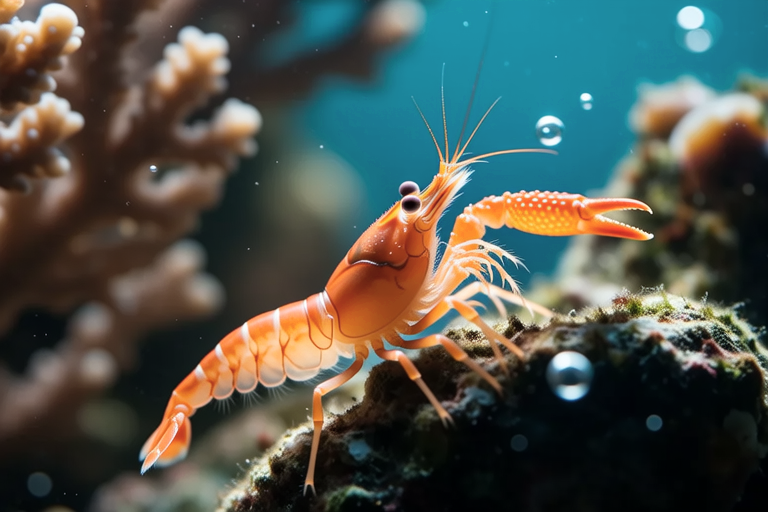
Coral Shrimp: The Underwater Cleaners You Need in Your Aquarium
Introduction
In the intricate world of aquariums, every creature has its unique role in maintaining a balanced ecosystem. Among these, coral shrimp stand out as unsung heroes. These small yet mighty creatures play a crucial part in keeping your aquarium clean and thriving. Coral shrimp are adept at scavenging and consuming various forms of organic matter, which helps maintain the health of the tank. Their role in the aquarium goes beyond just cleaning; they also add a touch of color and life to your underwater world.
Natural Habitat and Behaviors
Coral shrimp, scientifically known as Stenopus hispidus, are native to tropical and subtropical waters around the world, particularly in the Indo-Pacific region. They inhabit coral reefs, where they find shelter among the nooks and crannies of the reef structure. In the wild, coral shrimp are typically found in pairs or small groups, and they exhibit fascinating behaviors that make them a joy to observe in captivity. They are active during the day and spend much of their time scavenging for food, exploring their surroundings, and interacting with other inhabitants of the reef. Coral shrimp are known for their striking appearance, featuring three distinct pairs of legs, each serving a specific function. The first pair of legs is equipped with sharp claws, which they use for defense and capturing prey, while the second and third pairs are used for walking and swimming.
Contribution to a Healthy Aquarium Environment
The primary role of coral shrimp in your aquarium is to act as efficient cleaners. They consume algae and detritus, which are common sources of pollution in tanks. By keeping these elements under control, they help prevent the buildup of harmful substances that could otherwise harm other fish and plants. Additionally, coral shrimp assist in maintaining the overall aesthetic appeal of your aquarium. Their constant activity keeps the substrate and rocks clean, making your tank look more organized and vibrant. Coral shrimp are particularly effective at removing green hair algae, a common nuisance in marine aquariums, which can be challenging to manage without their help.
Suitable Tank Conditions
To ensure the well-being of coral shrimp, it’s essential to provide them with the right tank conditions. Start by ensuring that the water parameters are within the appropriate range. Maintain a stable temperature between 72°F and 82°F (22°C to 28°C) and keep the pH level between 8.1 and 8.4. Salinity should be kept at around 1.023 to 1.025 specific gravity, which corresponds to a salinity of approximately 26 to 30 parts per thousand (ppt). Regular water changes are crucial for maintaining these parameters. Aim for weekly partial water changes of about 10-15% of the total volume. This helps remove accumulated waste and replenish essential minerals.
When selecting tank mates for your coral shrimp, it’s important to consider their peaceful nature. Coral shrimp get along well with most fish species, but avoid aggressive or predatory fish that might see them as a snack. Compatible tank mates include clownfish, damselfish, and smaller wrasses. However, be cautious with larger or more aggressive fish like lionfish or triggerfish, as they may pose a threat to the shrimp. Additionally, ensure that the tank provides ample hiding spots and caves for the shrimp to retreat to when they feel threatened. Decorations such as live rock, corals, and driftwood offer both shelter and additional surfaces for algae growth, which the shrimp will happily consume.
Tips for Feeding and Caring for Coral Shrimp
Feeding coral shrimp can be both simple and rewarding. While they primarily rely on algae and detritus for sustenance, providing supplemental food ensures their optimal health. Offer them a varied diet consisting of high-quality flake food, pellets, and frozen foods like brine shrimp or mysis shrimp. It’s best to feed them in small quantities several times a week rather than large amounts infrequently. This approach mimics their natural feeding behavior and prevents overfeeding, which can lead to excess waste in the tank.
Regular maintenance is key to keeping your coral shrimp healthy and happy. Perform routine water quality checks using test kits to monitor ammonia, nitrite, and nitrate levels. High levels of these compounds can stress the shrimp and compromise their health. Additionally, keep an eye on the shrimp’s behavior. Healthy coral shrimp are active, alert, and have bright colors. Any signs of lethargy, discoloration, or unusual behavior should prompt immediate investigation and corrective action.
The Benefits of Having Coral Shrimp
The presence of coral shrimp in your aquarium brings numerous benefits, both aesthetic and functional. From an aesthetic perspective, their vibrant colors and graceful movements add a dynamic element to your tank. Watching them scurry around the substrate and clean the glass is a delightful sight that enhances the overall enjoyment of owning an aquarium. Moreover, their contributions to the ecosystem go beyond mere cleaning. By keeping algae and debris in check, they help maintain the delicate balance necessary for all tank inhabitants to thrive.
In conclusion, coral shrimp are indispensable additions to any marine aquarium. Their ability to clean and maintain a healthy environment makes them invaluable allies in the quest for a thriving aquatic ecosystem. By providing them with suitable tank conditions, compatible tank mates, and proper care, you can ensure that your coral shrimp remain healthy and continue to serve as diligent cleaners and beautiful inhabitants of your underwater world. Incorporating coral shrimp into your aquarium is a smart choice that pays dividends in terms of both beauty and functionality.
