Raising Royalty: Your Ultimate Guide to Caring for a Turkish Angora
Introduction to Turkish Angora Breed Characteristics, Origins, and History
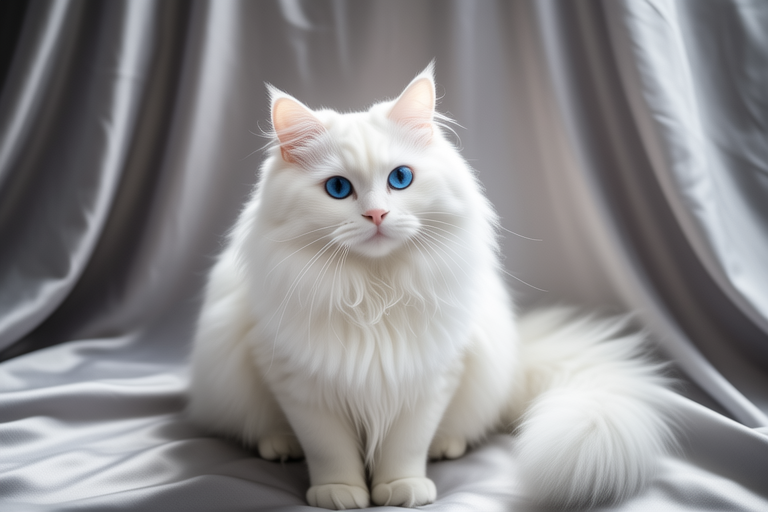
The Turkish Angora, a regal feline known for its striking appearance and elegant demeanor, hails from the Ankara region of central Turkey. These cats have been cherished for centuries, often appearing in Turkish folklore and legends. They are recognized for their silky, semi-longhair coats and large, expressive eyes that can be blue, green, or gold. The breed’s origins trace back to ancient times, with historical records indicating their presence in the royal harems of Ottoman sultans.
Turkish Angoras are highly intelligent and playful, requiring mental stimulation and interaction. Their agility and athleticism make them excellent climbers and jumpers. This breed is known for its vocal nature, often communicating with soft chirps and trills rather than loud meows.
Dietary Needs and Feeding Tips
Feeding your Turkish Angora a balanced diet is crucial for maintaining their health and longevity. High-quality cat food that meets the nutritional requirements of adult cats is recommended. Look for food containing high-quality protein sources like chicken, fish, or turkey. Avoid foods with fillers or artificial preservatives.
Ensure fresh water is always available, as dehydration can lead to serious health issues. Feed your cat at regular intervals throughout the day, mimicking their natural hunting behavior. Two meals a day, morning and evening, is ideal. Avoid overfeeding to prevent obesity, which can lead to joint problems and other health issues.
Personal Anecdote: My Turkish Angora, Luna, was initially quite picky about her food. After trying several brands, I found one that she loves. It’s important to experiment and find the right food for your cat’s taste preferences.
Grooming Requirements Including Coat Care and Hygiene
The Turkish Angora’s luxurious coat requires regular grooming to maintain its beauty and prevent matting. Brush your cat at least twice a week to remove loose hair and distribute skin oils. Use a slicker brush or a fine-toothed comb to avoid pulling out hair. During shedding seasons, daily brushing may be necessary.
Bathing your Turkish Angora is generally unnecessary unless they get particularly dirty. Over-bathing can strip their coat of essential oils, leading to dry skin. If you do need to bathe your cat, use a gentle, pH-balanced shampoo designed for cats.
Regular nail trimming is also important to prevent overgrowth, which can cause discomfort and hinder movement. Consult your veterinarian if you’re unsure about the proper technique.
Exercise and Playtime Recommendations
Turkish Angoras are active and curious cats, requiring ample opportunities for physical activity and mental stimulation. Provide them with interactive toys, such as feather wands or laser pointers, to encourage play and exercise. Climbing trees, scratching posts, and tunnels are great additions to their living space, allowing them to explore and engage in natural behaviors.
Personal Anecdote: My cat, Max, loves chasing laser pointers. He becomes so focused and excited during these sessions that it’s like watching a small athlete in action. Regular playtime helps him stay fit and mentally sharp.
Health Concerns and Common Illnesses
While Turkish Angoras are generally healthy, they are prone to certain genetic conditions. Hypertrophic cardiomyopathy (HCM), a heart disease, is more common in this breed. Early detection through regular veterinary check-ups is crucial. Progressive retinal atrophy (PRA) can also affect vision, though it is less common.
Obesity is another concern, especially if your cat doesn’t get enough exercise. Monitor your cat’s weight and adjust their diet accordingly. Regular veterinary visits can help catch potential health issues early, increasing the chances of successful treatment.
Socialization and Training Methods
Turkish Angoras are social animals that thrive on interaction and companionship. Introduce them to various people and environments from an early age to ensure they remain confident and adaptable. Positive reinforcement techniques, such as treats and praise, work well for training. Teach basic commands like ‘come’ and ‘sit’ to strengthen the bond between you and your cat.
Personal Anecdote: When my Turkish Angora, Bella, was younger, I started training her using treats. She quickly learned to come when called and sit on command. This not only made her more obedient but also enhanced our relationship.
Living Environment Setup
Create a safe and comfortable living environment for your Turkish Angora. Provide multiple levels for climbing and perching, ensuring there are plenty of places for them to rest and observe their surroundings. Secure windows with screens to prevent accidental falls. Cat-friendly furniture, such as scratchers and hammocks, can enhance their comfort and enjoyment.
Adequate litter box placement is essential for your cat’s hygiene and comfort. Place the litter box in a quiet, easily accessible area away from busy traffic areas. Clean the litter box regularly to maintain hygiene and prevent odors.
Advice on Choosing the Right Vet
Selecting a veterinarian who specializes in feline medicine is important for your Turkish Angora’s health. Look for a vet who has experience with exotic breeds and understands their unique needs. Schedule regular check-ups to monitor your cat’s health and address any concerns promptly. Building a rapport with your vet ensures effective communication and trust.
Personal Anecdote: I’ve had a wonderful relationship with my vet, Dr. Smith, who has been incredibly supportive and knowledgeable about my Turkish Angora, Charlie. Regular visits have helped us manage his health effectively.
Tips for New Owners and Common Mistakes to Avoid
As a new owner, familiarize yourself with your Turkish Angora’s specific needs and behaviors. Be patient and consistent in establishing routines and boundaries. Avoid common mistakes such as neglecting grooming, overfeeding, or ignoring signs of illness. Providing a loving and nurturing environment will help your cat thrive.
Personal Anecdote: When I first adopted my Turkish Angora, Daisy, I made the mistake of not establishing a routine. After some adjustments, we now have a consistent schedule that works for both of us.
How to Ensure Your Turkish Angora Lives a Long, Healthy Life
To ensure your Turkish Angora lives a long, healthy life, provide them with a balanced diet, regular exercise, and proper grooming. Schedule routine veterinary check-ups and vaccinations. Keep their environment safe and stimulating. Love and attention are also key factors in their well-being. By following these guidelines, you’ll be setting your Turkish Angora up for a happy and fulfilling life.
