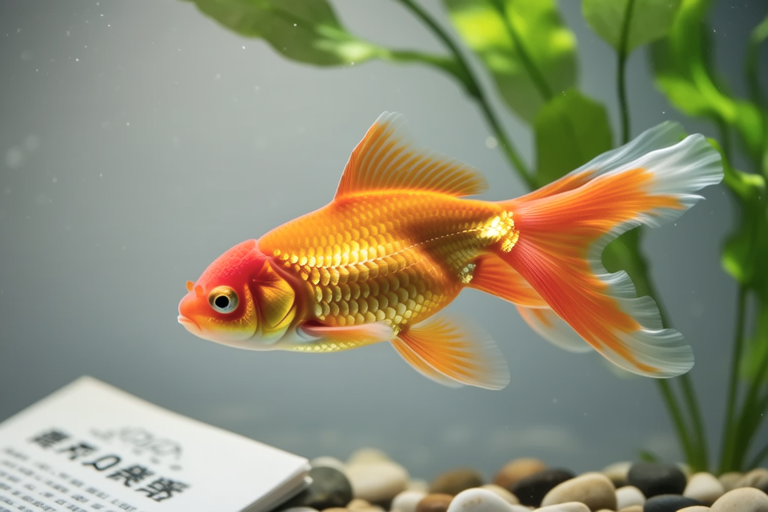
The Ultimate Guide to Keeping Your Goldfish Happy and Healthy!
Goldfish are among the most popular aquarium pets due to their vibrant colors and playful behavior. However, maintaining a happy and healthy goldfish requires more than just feeding them and keeping their tank clean. This comprehensive guide will walk you through essential tips for goldfish care, covering everything from setting up the perfect tank to recognizing signs of a healthy fish.
Proper Tank Setup
Setting up the right environment is crucial for your goldfish’s well-being. Start by choosing a spacious tank; a single goldfish needs at least 20 gallons of water. Larger tanks offer more swimming space and help maintain better water quality. Opt for a rectangular tank over a round one as it provides more surface area for oxygen exchange.
Select a filter that suits your tank size and goldfish type. Filters help keep the water clean by removing debris and excess nutrients. Additionally, consider adding a heater if you’re keeping fancy goldfish, as they prefer warmer water temperatures between 68-74°F (20-23°C).
Substrate, plants, and decorations can make your tank look appealing and provide hiding spots for your fish. Use a substrate that won’t scratch or harm your goldfish. Live or artificial plants can also add aesthetic value while offering places for your fish to rest or hide.
Water Quality Maintenance
Maintaining optimal water conditions is vital for your goldfish’s health. Regularly test the water parameters such as ammonia, nitrite, nitrate, pH, and temperature. These tests ensure that harmful substances are kept at safe levels. Perform partial water changes weekly, replacing about 25% of the water volume each time. Always treat tap water with a dechlorinator before adding it to the tank to remove chlorine and chloramines.
Aerate the water to increase oxygen levels, especially if you have a heavily planted tank or during warm weather when oxygen levels naturally decrease. Consider using an air pump or a powerhead to promote circulation and prevent stagnant areas.
Suitable Diet
Feeding your goldfish a balanced diet is key to their overall health. Offer a variety of foods, including flakes, pellets, and occasional treats like freeze-dried bloodworms or brine shrimp. Feed your fish small amounts two to three times daily, ensuring they consume all food within a few minutes. Overfeeding can lead to poor water quality and health problems.
Vary their diet to provide essential nutrients. High-quality flake or pellet foods designed specifically for goldfish should form the base of their diet. Supplement this with occasional live or frozen foods for additional protein and vitamins.
Appropriate Tank Mates
Choosing the right tank mates for your goldfish is important for their social interaction and safety. Compatible fish species include other goldfish, danios, and some peaceful bottom-dwelling species like Corydoras catfish. Avoid aggressive or fin-nipping fish, as they may stress or injure your goldfish.
Remember, goldfish are social creatures and thrive in groups. Keep at least two goldfish together to encourage natural behaviors and reduce stress. However, be mindful of the tank size; overcrowding can lead to poor water quality and increased stress levels.
Common Health Issues
Despite your best efforts, goldfish can still face health challenges. Familiarize yourself with common ailments so you can address them promptly. White spot disease (Ich) is one of the most prevalent, characterized by tiny white spots on the fish’s body. Treatment involves raising the water temperature and using appropriate medication.
Swim bladder disorder affects a goldfish’s ability to control its buoyancy. This condition often results from overfeeding or constipation. Adjusting the diet and providing more fiber-rich foods can help manage this issue. Regular observation allows you to catch symptoms early, improving treatment success rates.
Signs of a Healthy Goldfish
Observing your goldfish regularly helps identify any potential issues early on. A healthy goldfish swims actively throughout the tank, showing no signs of lethargy or abnormal behavior. Their eyes should be clear and free of cloudiness, and their fins should be intact without any tears or discoloration.
Healthy goldfish eat eagerly when offered food and excrete waste normally. Monitor their breathing patterns; rapid gill movement or labored breathing could indicate respiratory distress. By understanding what constitutes normal behavior, you can quickly notice deviations that might require attention.
Conclusion
Maintaining a happy and healthy goldfish involves creating a nurturing environment, monitoring water quality, providing nutritious meals, selecting compatible tank mates, being aware of common health issues, and knowing the signs of good health. With these guidelines in mind, you’ll be well-equipped to enjoy the companionship of your vibrant goldfish for years to come. Remember, consistent care and attention contribute significantly to their longevity and well-being.
