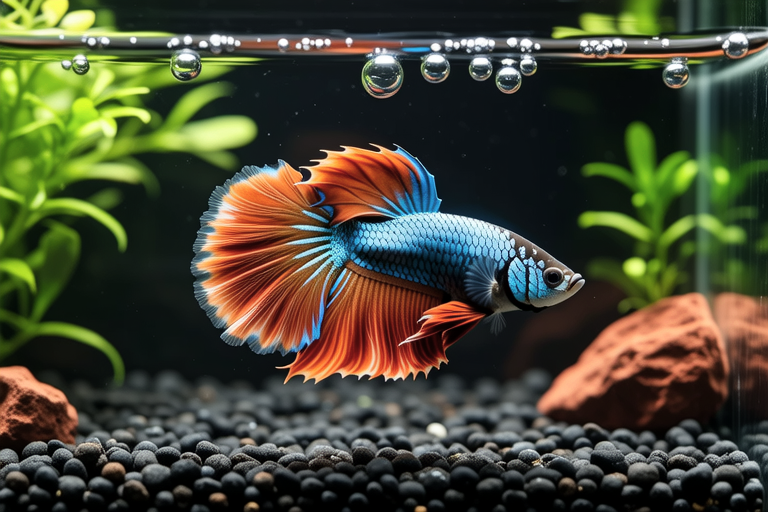
How to Create a Dream Tank for Your Betta
Welcome to the world of Betta care! Creating a dream tank for your Betta fish is an exciting endeavor that requires careful planning and attention to detail. This guide will walk you through every step, from choosing the right tank size to maintaining optimal water conditions, ensuring your Betta thrives in a healthy, stimulating environment.
Step 1: Choosing the Right Tank Size
The first step in creating a dream tank for your Betta is selecting the appropriate tank size. Many people mistakenly believe that a small bowl or vase is sufficient for a Betta, but this couldn’t be further from the truth. Bettas need ample space to swim and explore, so a minimum tank size of 5 gallons is recommended. Larger tanks, up to 10 gallons, provide even more room for your Betta to thrive.
When choosing a tank, consider its shape as well. A long, low tank is ideal because it provides horizontal swimming space, which is crucial for a Betta’s well-being. Avoid tall, narrow tanks, as they can cause stress due to limited movement and poor water circulation.
Step 2: Setting Up the Filtration System
A proper filtration system is vital for maintaining clean, healthy water for your Betta. Filters help remove harmful toxins, excess food, and waste, ensuring your Betta lives in pristine conditions. There are several types of filters available, each with its own benefits:
- Hang-on-back (HOB) filters: These are popular choices for Betta tanks as they are easy to install and maintain. They hang on the back of the tank and pump water through a filter media to remove debris.
- Canister filters: While these are more expensive, they offer powerful filtration and are suitable for larger tanks. They can also be customized with different types of media to address specific water quality issues.
- In-tank filters: These filters sit inside the tank and are great for smaller setups. They typically have a sponge or cartridge that traps particles and bacteria.
Regardless of the type of filter you choose, ensure it is appropriately sized for your tank and provides gentle water flow. Strong currents can stress your Betta, so look for filters with adjustable flow settings.
Step 3: Maintaining Water Quality
Water quality is paramount for your Betta’s health. Regularly testing and maintaining the water parameters ensures your Betta lives in a safe, clean environment. Here are some key water quality indicators to monitor:
- Ammonia: Keep ammonia levels at zero. High ammonia levels can be toxic to your Betta.
- Nitrite: Like ammonia, nitrite levels should be zero. Nitrite can cause stress and damage your Betta’s gills.
- Nitrate: Aim for nitrate levels below 20 ppm. Higher levels can lead to algae growth and other health issues.
- pH: Maintain a pH between 6.8 and 7.4. Sudden changes in pH can shock your Betta, so make adjustments gradually.
- Temperature: Keep the water temperature between 76°F and 82°F (24°C to 28°C). Use a heater if necessary to maintain this range.
To maintain these levels, perform weekly partial water changes, removing about 20% of the water and replacing it with fresh, dechlorinated water. Always use a water conditioner to neutralize chlorine and chloramines found in tap water.
Step 4: Adding Decorations and Plants
Your Betta’s tank should be more than just a place to live; it should be a stimulating and aesthetically pleasing environment. Decorations and plants not only enhance the visual appeal of the tank but also provide hiding spots and resting areas for your Betta.
- Plants: Live or artificial plants are excellent additions. Live plants, such as Java ferns and Amazon swords, improve water quality by absorbing nitrates and providing oxygen. Artificial plants are easier to clean and can be a cost-effective alternative.
- Hiding spots: Provide caves, driftwood, or PVC pipes for your Betta to explore and hide. These items stimulate natural behaviors and reduce stress.
- Decorative rocks: Choose smooth, non-toxic rocks to add texture and interest to the tank. Avoid sharp or jagged rocks that could injure your Betta.
Ensure all decorations are cleaned thoroughly before adding them to the tank. Avoid overcrowding the tank with too many decorations, as this can limit swimming space and hinder water circulation.
Step 5: Temperature and pH Level Guidelines
Maintaining the correct temperature and pH level is crucial for your Betta’s health. Betta fish are tropical species that require warm water temperatures and slightly acidic to neutral pH levels. Here’s how to achieve and maintain these conditions:
- Heater: Invest in a reliable aquarium heater to keep the water temperature between 76°F and 82°F (24°C to 28°C). Place the heater near the filter intake to prevent hotspots and ensure even heating.
- Thermometer: Use a reliable thermometer to monitor the water temperature. Place it in a visible location so you can check it regularly.
- pH: Test the water pH regularly and aim for a range between 6.8 and 7.4. If the pH is too high or too low, adjust it gradually using products specifically designed for aquariums.
Consistency is key when it comes to temperature and pH. Sudden changes can stress your Betta, so make adjustments slowly over time.
Step 6: Feeding Your Betta
Proper nutrition is essential for your Betta’s overall health and vitality. Bettas are carnivorous and require a diet rich in protein. Here are some feeding tips to ensure your Betta stays healthy:
- Diet: Feed your Betta high-quality betta pellets or flakes designed for carnivorous fish. Supplement their diet with occasional treats like bloodworms, brine shrimp, or daphnia.
- Portion control: Feed your Betta small portions two to three times daily. Overfeeding can lead to poor water quality and health issues.
- Observation: Watch your Betta eat to ensure they are consuming the food. If uneaten food remains in the tank, remove it promptly to avoid polluting the water.
Remember, a balanced diet and portion control contribute significantly to your Betta’s longevity and well-being.
Step 7: Regular Maintenance Routines
Maintaining your Betta’s tank requires consistent effort to ensure a clean, healthy environment. Here are some regular maintenance tasks to incorporate into your routine:
- Water changes: Perform weekly partial water changes, removing about 20% of the water and replacing it with fresh, dechlorinated water. This helps remove accumulated toxins and maintains water quality.
- Cleaning equipment: Clean the filter media monthly, replacing any clogged or damaged parts. Scrub the tank walls and decorations with a soft brush to remove algae and debris.
- Monitoring equipment: Check the heater, thermometer, and filtration system regularly to ensure they are functioning properly. Replace any worn-out parts as needed.
- Health checks: Observe your Betta daily for signs of illness, such as lethargy, abnormal behavior, or physical symptoms like clamped fins or white spots. Early detection can prevent serious health issues.
By following these maintenance routines, you’ll provide your Betta with a stable, comfortable environment conducive to their well-being.
Conclusion
Creating a dream tank for your Betta involves thoughtful planning and ongoing care. By choosing the right tank size, setting up an effective filtration system, maintaining water quality, adding stimulating decorations and plants, and following proper feeding and maintenance routines, you can ensure your Betta leads a happy, healthy life. Remember, your Betta’s tank is not just a home—it’s a sanctuary where your beloved fish can thrive. Enjoy the journey of caring for your Betta and watching them flourish in their dream tank.
