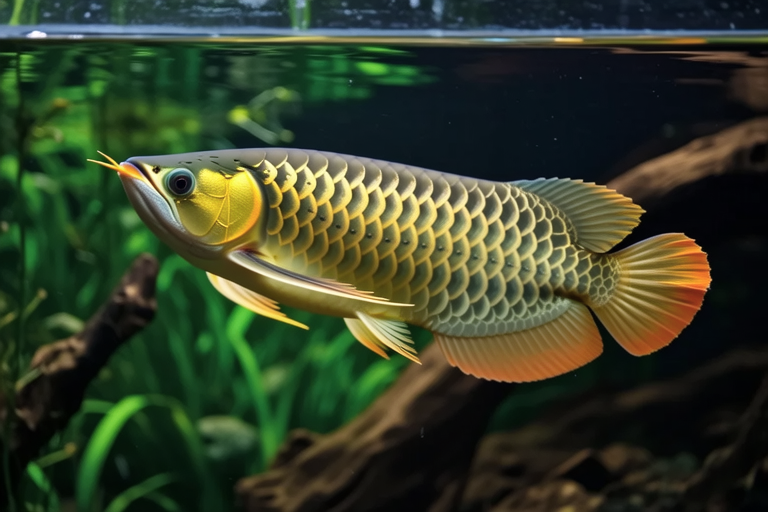
Arowana Enthusiast’s Dream: Breeding and Raising These Aquatic Giants
Introduction
The arowana, often referred to as the “dragon of the water,” is a captivating species that has long fascinated aquarium enthusiasts. Known for their striking appearance, exceptional intelligence, and graceful swimming patterns, arowanas are among the most sought-after freshwater fish in the world. Their elongated bodies, adorned with shimmering scales, and their ability to leap out of the water to catch prey make them truly mesmerizing. This article will guide you through the intricate process of breeding and raising these aquatic giants, offering valuable insights and practical advice for both novice and seasoned aquarists.
The Majestic Arowana: An Overview
Arowanas belong to the Osteoglossidae family and are found primarily in South America, Africa, and Southeast Asia. Among the most popular species are the Asian arowana (Scleropages formosus), the African arowana (Heterotis niloticus), and the silver arowana (Osteoglossum bicirrhosum). Each species boasts its own unique characteristics, such as distinct colorations, varying sizes, and specialized behaviors.
Asian arowanas, in particular, are prized for their vibrant colors, which can range from deep reds and golds to silvers and greens. They are also recognized as living fossils, having remained relatively unchanged for millions of years. Their intelligence and curiosity make them highly interactive pets, often responding to their owners and recognizing familiar faces.
Optimal Tank Conditions for Breeding Arowanas
Breeding arowanas requires meticulous attention to detail, especially when it comes to creating the ideal tank environment. The first step is selecting an appropriately sized tank; adult arowanas can reach lengths of up to three feet, necessitating a minimum tank size of 300 gallons. Larger tanks are preferred to accommodate their growth and ensure adequate swimming space.
Water quality is paramount for the health and well-being of arowanas. Optimal water parameters include a pH level between 6.8 and 7.4, a temperature range of 78-82°F, and a hardness level of 5-12 dGH. Regular water changes and filtration systems are essential to maintain these conditions. Additionally, a robust filtration system that provides both mechanical and biological filtration is crucial for removing waste and toxins.
Substrate choice plays a significant role in the tank setup. Fine sand or large gravel is recommended to prevent injuries caused by sharp edges. Decorations should be chosen carefully to avoid any potential harm to the fish. Floating plants and driftwood can create a more natural environment, providing hiding spots and enhancing the aesthetic appeal of the tank.
Dietary Needs and Feeding Regimens
Arowanas are carnivorous fish that require a balanced diet rich in proteins and fats. Their diet should consist of live or frozen foods such as feeder fish, shrimp, and insects. Young arowanas can be fed smaller prey items like bloodworms and brine shrimp, while adults can consume larger prey like small fish and prawns. It is important to note that overfeeding can lead to obesity and health issues, so feeding should be done sparingly and only what the fish can consume within a few minutes.
Supplementing their diet with vitamin-rich pellets can provide additional nutrients and promote overall health. However, care must be taken to avoid over-reliance on pellets, as a varied diet is essential for their well-being.
Common Challenges and Solutions
One of the primary challenges in breeding arowanas is inducing spawning. Males and females must be conditioned properly before pairing, which involves providing ample food and ensuring optimal water conditions. Once paired, the female may lay several hundred eggs, which the male then fertilizes externally. After fertilization, the eggs are carefully guarded by the parents until hatching.
Another challenge is maintaining water quality during the breeding process. Water changes should be conducted with care to avoid stressing the fish. Introducing a gentle flow of fresh water can help oxygenate the tank without disturbing the eggs or fry. Additionally, ensuring proper filtration and maintaining stable water parameters are critical throughout the breeding period.
Post-hatching, the fry require careful handling and nurturing. Initially, they feed on infusoria and newly hatched brine shrimp. As they grow, their diet should be gradually transitioned to larger prey items. Providing ample hiding places and minimizing stressors in the tank is vital for their survival and development.
Maintaining Health and Longevity
To ensure the health and longevity of your arowanas, it is crucial to establish a routine maintenance schedule. Regular water testing and partial water changes are essential to keep water parameters stable. Monitoring for signs of disease, such as abnormal behavior, lethargy, or physical abnormalities, is equally important. Early detection and treatment can prevent the spread of illness within the tank.
A balanced diet is key to maintaining optimal health. Offering a variety of high-quality foods ensures that your arowanas receive all necessary nutrients. Avoid feeding expired or poor-quality foods, as these can contribute to health problems. Additionally, incorporating supplements like garlic and vitamins can boost their immune systems.
Regular monitoring of water quality and fish behavior is essential. Any changes in water chemistry or fish behavior should be addressed promptly. Implementing quarantine procedures for new additions to the tank can prevent the introduction of diseases. Proper acclimation techniques should also be employed to minimize stress during transfers.
The Rewards of Breeding and Raising Arowanas
Successfully breeding and raising arowanas is a deeply rewarding experience. Watching the fry grow and thrive under your care is incredibly fulfilling. Each stage of their development presents new opportunities to learn and observe their unique behaviors. The bond formed between owner and fish is special, as arowanas are known for their intelligence and responsiveness.
For experienced aquarists, breeding arowanas offers a chance to contribute to the conservation of these magnificent creatures. By responsibly breeding and raising arowanas, you can help preserve their genetic diversity and ensure their continued existence in captivity. This contribution not only benefits the species but also enriches the hobby of aquarium keeping.
Whether you are a novice or an experienced aquarist, embarking on the journey of breeding and raising arowanas promises an exciting and enriching experience. With dedication, patience, and proper care, you can create a thriving environment for these aquatic giants, ensuring their health and happiness for many years to come.
