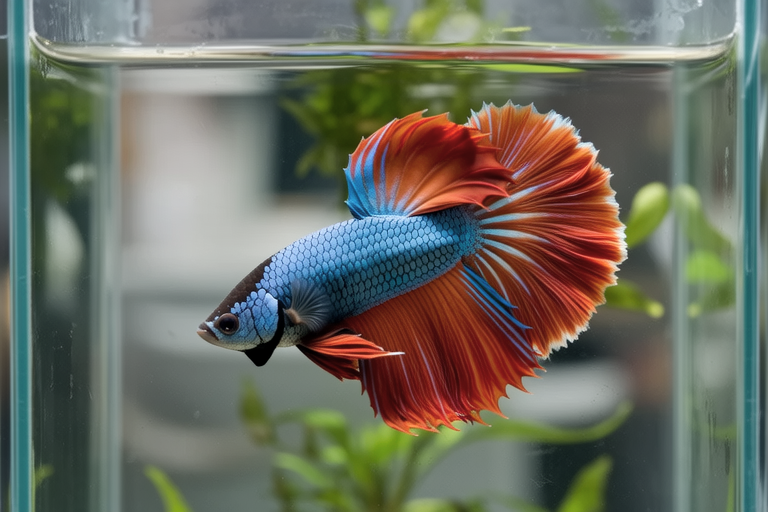
From Crowded Stores to Happy Homes: How to Transition Your New Betta Safely
Welcome to the fascinating world of betta fish care! Transitioning your new betta from a crowded store environment to a comfortable, happy home can be both exciting and challenging. This comprehensive guide will walk you through the process of safely transitioning your betta, ensuring it thrives in its new surroundings.
The Importance of Water Quality and Temperature Stability
Water quality and temperature stability are paramount for your betta’s health. Stress caused by abrupt changes can lead to illnesses and shortened lifespans. Therefore, maintaining consistent water parameters is crucial. Ensure that your tank water matches the store’s water as closely as possible before bringing your betta home. This includes temperature, pH level, and hardness.
Step-by-Step Acclimation Process
1. Preparing the Tank
Before acquiring your betta, set up its tank at home. A properly prepared tank allows for a smoother transition. Start by purchasing a suitable aquarium, ideally no smaller than five gallons. This size provides ample space for your betta to swim comfortably. Additionally, choose a tank with a wide base rather than a tall one, as bettas prefer horizontal movement.
Invest in an appropriate filter for your tank. Filters help maintain clean water by removing waste and harmful substances. However, avoid overly strong filters, as they can create strong currents that stress bettas. Instead, opt for gentle, low-flow filters designed specifically for small tanks.
Decorate the tank with live or artificial plants. Plants provide hiding spots and stimulation for your betta. They also help maintain water quality by absorbing excess nutrients. Decorative elements like caves, castles, and driftwood can enhance your tank’s aesthetic appeal while offering additional hiding spots.
2. Acclimatizing the Betta
Upon arrival, resist the temptation to immediately place your betta in its new tank. Instead, acclimate it gradually. Begin by floating the unopened bag containing your betta in the tank for about 15 minutes. This allows the water temperature inside the bag to adjust to that of the tank.
Next, open the bag and carefully add a small amount of tank water (about a cup) every 10 minutes over the course of an hour. This step ensures that your betta gradually adapts to the new water chemistry. Once the water in the bag has been fully replaced with tank water, gently release your betta into its new home.
3. Monitoring for Stress Signs
After acclimation, keep a close eye on your betta for signs of stress. Common indicators include rapid breathing, lethargy, loss of appetite, clamped fins, or unusual swimming patterns. If you notice any of these symptoms, take immediate action to address potential issues.
Selecting the Appropriate Tank Setup
Choosing the right tank setup is crucial for your betta’s well-being. In addition to the previously mentioned tank size, consider the following:
Filtration
A proper filtration system is essential for maintaining water quality. It helps remove waste, uneaten food, and other debris that can degrade water conditions. Opt for filters specifically designed for small tanks, as they provide adequate filtration without creating strong currents that could stress your betta.
Plants and Decorations
Adding live or artificial plants to your tank offers numerous benefits. Plants provide hiding spots, stimulate natural behaviors, and contribute to overall water quality. Choose sturdy plants that can withstand a betta’s fin nibbling, such as Java Fern or Anubias.
Addressing Common Challenges
Despite careful planning, challenges may arise during the transition process. Here are some common issues and their solutions:
Fin Nipping
Bettas sometimes nip at each other’s fins, especially in confined spaces. To prevent this behavior, ensure your tank is spacious enough for your betta to establish its territory. Avoid overcrowding and provide ample hiding spots.
Aggression Toward Tank Mates
Bettas are generally solitary fish and may become aggressive when housed with other species. If you plan to introduce tank mates, choose peaceful, compatible species like ghost shrimp or snails. Always research potential tank mates thoroughly to ensure compatibility.
Long-Term Care Tips
Maintaining a healthy environment for your betta requires ongoing effort. Here are some long-term care tips:
Dietary Considerations
Feed your betta a balanced diet consisting of high-quality flake or pellet foods. Supplement their diet with occasional treats like frozen bloodworms or brine shrimp. Feed your betta small amounts two to three times daily, but avoid overfeeding, which can lead to poor water quality.
Regular Maintenance
Perform regular water changes to maintain optimal water quality. Aim for weekly partial water changes, replacing approximately 20% of the tank’s water each time. During water changes, gently siphon the substrate to remove waste and uneaten food. Clean tank decorations and filters as needed to prevent the buildup of harmful substances.
Monitoring Water Parameters
Regularly test your tank water to monitor key parameters such as ammonia, nitrite, nitrate, pH, and hardness. Maintaining stable water conditions minimizes stress and promotes overall health. Use reliable test kits or strips to check these levels and make necessary adjustments as needed.
Conclusion
Successfully transitioning your new betta from a crowded store environment to a comfortable, happy home requires attention to detail and patience. By following the steps outlined in this guide, you can ensure a smooth and stress-free transition. Remember to prioritize water quality, temperature stability, and gradual adjustments throughout the process. With proper care and attention, your betta will thrive in its new home, bringing joy and beauty to your aquatic environment for years to come.
