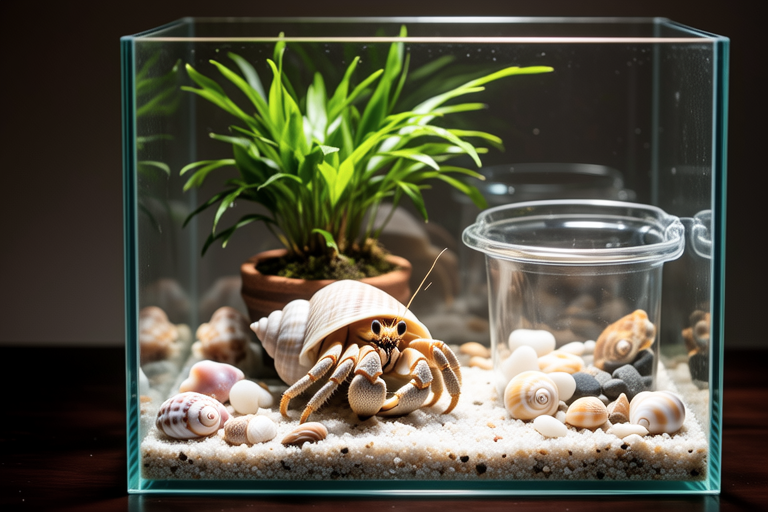
How to Create a Perfect Habitat for Your Hermit Crab Pet
Welcome to your comprehensive guide on creating the perfect habitat for your hermit crab pet. Ensuring that your hermit crab has the right environment is crucial for its health and happiness. This guide will cover everything from setting up the habitat to maintaining it, including temperature and humidity requirements, substrate types, decorations, hiding spots, water dishes, dietary needs, and regular cleaning and monitoring.
Setting Up the Habitat
The first step in creating a perfect habitat for your hermit crab is selecting an appropriate enclosure. Hermit crabs need a large space to explore and play, so choose a tank or aquarium that is at least three times the size of the largest crab in your collection. A 10-gallon tank is recommended for two medium-sized hermit crabs.
Ensure that the enclosure has a secure lid with ventilation holes to prevent escapes while still allowing air circulation. Place the enclosure in a quiet area away from direct sunlight, drafts, and extreme temperatures. Avoid placing the enclosure near windows, as temperature fluctuations can be harmful to your hermit crabs.
Temperature and Humidity Requirements
Maintaining the correct temperature and humidity levels is vital for your hermit crab’s well-being. Hermit crabs thrive in a temperature range of 75°F to 85°F (24°C to 29°C). Use a digital thermometer to monitor the temperature inside the enclosure. If necessary, use a heating pad or under-tank heater to maintain the desired temperature. Be cautious not to overheat the enclosure, as this can cause stress and dehydration.
Humidity should be kept between 70% and 80%. A hygrometer can help you monitor the humidity level accurately. To increase humidity, mist the enclosure daily with distilled or bottled spring water. You can also place a shallow dish of water in the enclosure to help maintain humidity. Avoid using tap water, as it may contain chemicals harmful to hermit crabs.
Appropriate Substrate Types
Selecting the right substrate is essential for your hermit crab’s comfort and well-being. The substrate should be deep enough for the crabs to burrow and should provide a natural environment for them to explore. A mix of coconut fiber and calcium sand is ideal, as it provides both moisture retention and a suitable surface for climbing and digging.
Avoid using gravel, crushed coral, or any substrate that could harm your hermit crabs if ingested. The substrate should be changed every few months to prevent mold and bacteria growth. When changing the substrate, clean the enclosure thoroughly and rinse the substrate before replacing it.
Suitable Decorations and Hiding Spots
Decorating the enclosure with appropriate items can enhance your hermit crab’s living environment and provide essential hiding spots. Natural decorations such as driftwood, seashells, and smooth rocks are excellent choices. These items provide hiding spots, climbing opportunities, and places to molt.
Ensure that all decorations are free of sharp edges and toxic substances. Arrange the decorations in a way that creates different levels and tunnels within the enclosure. This allows the hermit crabs to create their own territory and explore various areas of the habitat.
Water Dishes Maintenance
Hermit crabs require access to fresh and saltwater. Providing both types of water dishes is essential for their health. The freshwater dish should be filled with distilled or bottled spring water and placed at one end of the enclosure. The saltwater dish should be filled with a mixture of distilled or bottled spring water and marine aquarium salt. Follow the instructions on the salt packaging for the correct ratio of salt to water.
Change the water in both dishes daily to prevent bacterial growth and keep the water clean. Clean the dishes thoroughly with hot water and allow them to dry completely before refilling.
Dietary Needs
Your hermit crab’s diet should consist of a variety of foods to ensure they receive all the necessary nutrients. Offer a mix of fruits, vegetables, and proteins. Suitable fruits include apples, bananas, and grapes. Vegetables like carrots, spinach, and sweet potatoes are also good choices. Protein sources can include boiled eggs, fish, and shrimp.
In addition to fresh foods, provide hermit crabs with calcium-rich supplements, such as cuttlebone or crushed eggshells. These supplements help maintain strong exoskeletons and promote healthy molting. Always remove uneaten food after a few hours to prevent spoilage and contamination.
Regular Habitat Cleaning and Monitoring
To maintain optimal conditions in your hermit crab’s habitat, regular cleaning and monitoring are essential. Perform a thorough cleaning of the enclosure every few weeks. Remove the substrate and decorations, wash them with hot water, and allow them to dry completely before replacing them.
Check the temperature and humidity levels daily to ensure they remain within the recommended range. Monitor the hermit crabs’ behavior and appearance for any signs of stress or illness. Regularly inspect the water dishes for cleanliness and refill them as needed. By following these guidelines, you can ensure that your hermit crab’s habitat remains a safe and comfortable environment.
Conclusion
Creating a perfect habitat for your hermit crab pet requires attention to detail and regular maintenance. By providing the right temperature, humidity, substrate, decorations, and water dishes, along with a balanced diet, you can ensure your hermit crabs thrive in their environment. Regular cleaning and monitoring are crucial to maintaining optimal conditions and preventing health issues. With proper care, your hermit crabs will enjoy a happy and healthy life in their new home.
