From Japan to Your Home: A Journey with the Shiba Inu
The Shiba Inu, often referred to as the “little brushwood dog,” is a breed that has captured hearts worldwide with its unique charm and spirited nature. This article will take you through the rich history of the Shiba Inu in Japan, its physical traits, temperament, and intelligence, the challenges and rewards of owning one, and conclude with how this breed has become a beloved pet globally.
A Brief History in Japan
The Shiba Inu traces its roots back over 3,000 years to ancient Japan, where it was bred primarily for hunting small game in the mountainous regions. The name “Shiba” can be interpreted as “brushwood,” referring to the type of terrain they were originally bred to navigate, while “Inu” simply means “dog.” These dogs were highly valued for their agility, keen sense of smell, and loyalty. They were considered an integral part of Japanese culture, symbolizing purity and strength.
During World War II, the Shiba Inu population faced near extinction due to bombing raids and canine distemper. However, thanks to dedicated breeders who preserved the few remaining purebreds, the Shiba Inu survived. By the late 20th century, the breed had been introduced to the United States and other countries, gaining popularity for its unique appearance and personality.
Physical Traits
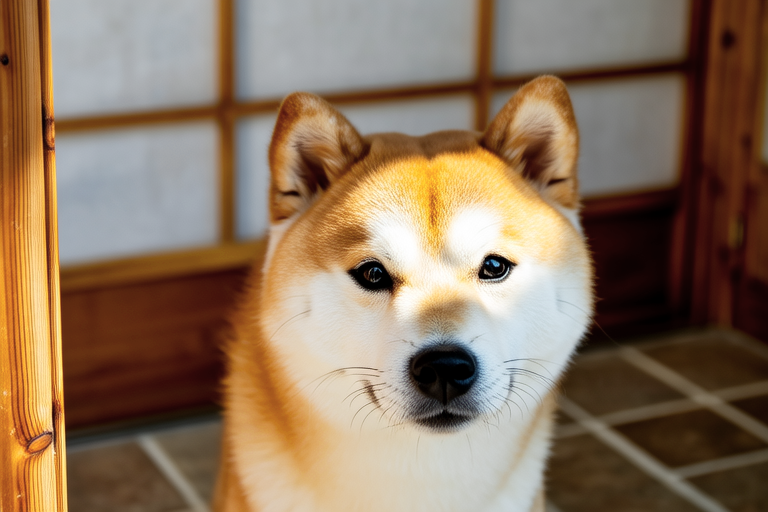
The Shiba Inu is a medium-sized dog with a compact build, standing about 14 to 16 inches tall at the shoulder and weighing between 17 to 23 pounds. Their most striking feature is their thick double coat, which provides excellent insulation against cold weather. The outer coat is coarse and straight, while the undercoat is soft and dense. The breed comes in three recognized colors: red, sesame (red hairs intermixed with black tips), and black and tan.
Shibas have a distinctive fox-like face with triangular ears that stand erect and alert eyes that reflect their sharp senses. Their tails curl over their backs when they’re happy or excited, adding to their endearing appearance. Despite their small size, Shibas possess a sturdy frame and strong muscles, making them agile and energetic.
Temperament and Intelligence
Shiba Inus are known for their independent yet affectionate nature. They form strong bonds with their families but can be reserved with strangers. This breed is often described as having a “small dog, big attitude” due to their confident demeanor and sometimes stubborn streak. Training a Shiba Inu requires patience and consistency, as they can be selective about following commands.
Despite their independent spirit, Shibas are intelligent dogs capable of learning tricks and commands with proper guidance. They excel in obedience training and agility competitions, showcasing their natural athleticism and problem-solving skills. Early socialization is crucial to ensure your Shiba Inu becomes well-adjusted and comfortable in various environments.
Challenges and Rewards of Owning a Shiba Inu
Owning a Shiba Inu comes with both challenges and rewards. One of the biggest challenges is their tendency to be independent and somewhat aloof. They require consistent training and socialization to prevent behavioral issues such as aggression or excessive barking. Additionally, Shibas can be quite vocal, especially when they want attention or are bored.
On the flip side, Shibas are loyal companions who thrive on human interaction. They enjoy playing fetch, going for walks, and participating in outdoor activities. Shibas also tend to be clean and self-grooming, similar to cats. Regular brushing is necessary to maintain their coat, especially during shedding seasons. While Shibas may not be the best choice for first-time dog owners, they are perfect for those who appreciate a spirited and intelligent companion.
Training Tips
Training a Shiba Inu requires a positive reinforcement approach, using treats and praise to encourage good behavior. Consistency is key; always reward desired behaviors and ignore unwanted ones. Shibas respond well to short, frequent training sessions rather than long, drawn-out ones. Interactive games and puzzles can help stimulate their minds and keep them engaged.
Health Considerations
Like any breed, Shibas are prone to certain health issues. Common conditions include hip dysplasia, patellar luxation, and progressive retinal atrophy. Regular veterinary check-ups and a balanced diet are essential to maintaining your Shiba Inu’s health. Early detection and treatment of these conditions can significantly improve your dog’s quality of life.
Global Adoption and Popularity
Today, the Shiba Inu has become a beloved pet across the globe, adapting from its origins in Japan to thriving in homes around the world. Their unique appearance, combined with their spirited nature, has made them a popular choice for many dog lovers. Social media platforms have played a significant role in increasing awareness and admiration for the breed, with countless photos and videos showcasing their antics and endearing personalities.
As more people discover the joys of owning a Shiba Inu, it’s important to remember that adopting a dog is a lifelong commitment. Potential owners should thoroughly research the breed, understand their needs, and be prepared to provide a loving home. With proper care and attention, Shibas make wonderful companions who bring joy and laughter into their owners’ lives.
In conclusion, the journey of the Shiba Inu from Japan to your home is a testament to the enduring appeal of this remarkable breed. From their humble beginnings as hunting dogs to becoming cherished pets, Shibas continue to captivate hearts with their unique blend of independence, intelligence, and affection. Whether you’re a seasoned dog owner or considering adding a Shiba Inu to your family, there’s no denying the special bond that develops between humans and these spirited companions.
