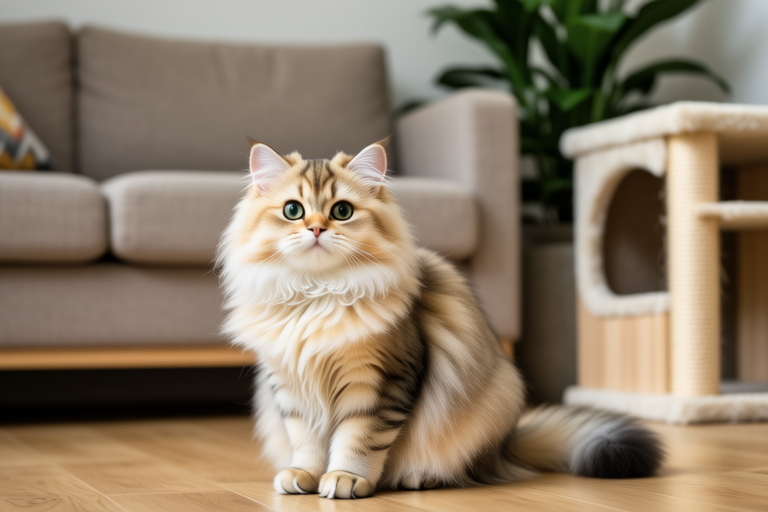
Adopting a Golden British Shorthair: Everything You Need to Know Before Bringing Them Home
The golden British Shorthair is a breed that has captured the hearts of many cat enthusiasts with its charming appearance and gentle demeanor. Known for their plush, dense coats and round faces, these cats are often described as the embodiment of grace and elegance. Their golden hue adds a touch of warmth and sophistication, making them a popular choice among pet owners seeking a loving and low-maintenance companion.
Introduction: The Unique Charm and Popularity of Golden British Shorthairs
The golden British Shorthair has been a favorite among cat lovers for generations. With their calm and affectionate nature, they have become one of the most sought-after breeds in households around the world. These cats are known for their loyalty and companionship, often forming strong bonds with their owners. Their golden coats, which can range from light cream to deep amber, add a touch of elegance to any home, making them not only a beloved pet but also a beautiful addition to your living space.
Physical Characteristics
Golden British Shorthairs are medium to large-sized cats with a robust and muscular build. They possess a short, dense coat that requires minimal grooming, making them ideal for busy individuals who still want a beautiful cat. Their large, round heads are complemented by expressive, wide-set eyes that usually come in shades of copper, green, or blue. Their ears are small and rounded, adding to their overall regal appearance. Their tails are thick and fluffy, tapering slightly towards the tip, and their paws are large and well-padded, giving them a sturdy gait.
Temperament
One of the most appealing aspects of the golden British Shorthair is their temperament. They are known for being affectionate, calm, and patient, making them excellent companions for families with children or other pets. Despite their gentle nature, they are also independent and can entertain themselves when necessary. These cats enjoy spending time with their owners but are equally content lounging in a sunny spot or exploring their surroundings. Their intelligence and adaptability make them easy to train and teach simple tricks, further enhancing the bond between owner and pet.
Common Health Issues
While generally healthy, golden British Shorthairs can be prone to certain genetic conditions. It’s important to choose a reputable breeder who screens their cats for hereditary diseases such as hypertrophic cardiomyopathy (HCM), polycystic kidney disease (PKD), and hip dysplasia. Regular veterinary check-ups and a balanced diet can help prevent many of these issues. Early detection and treatment are key to maintaining your cat’s health and ensuring a long, happy life.
Dietary Needs
A balanced diet is essential for the health and longevity of your golden British Shorthair. High-quality commercial cat food formulated for their age, size, and activity level is recommended. Avoid feeding them human food, especially those containing onions, garlic, chocolate, or caffeine, as these can be toxic to cats. Fresh water should always be available, and it’s a good idea to introduce a variety of flavors and textures to encourage proper nutrition. Consult with your veterinarian to determine the best diet plan for your specific cat.
Grooming Tips
Despite their short fur, golden British Shorthairs require regular grooming to maintain their luxurious coats. Brushing them once or twice a week will help remove loose hair and prevent matting. During shedding seasons, more frequent brushing may be necessary. Bathing should be done sparingly, as their coat naturally repels dirt and water. Nail trimming, dental care, and ear cleaning are also important aspects of their grooming routine. Regular grooming not only keeps your cat looking their best but also provides an opportunity to bond and monitor their health.
Exercise Requirements
Golden British Shorthairs are relatively inactive compared to some other breeds, but they still need daily exercise to stay healthy and happy. Interactive toys, climbing structures, and scratching posts provide mental stimulation and physical activity. Playtime with their owners is also beneficial, as it strengthens the bond between them. Encourage your cat to engage in play sessions, even if it’s just a few minutes each day. Providing a stimulating environment helps keep your cat active and prevents boredom, which can lead to destructive behavior.
Selecting the Right Breeder or Shelter
When adopting a golden British Shorthair, choosing the right breeder or shelter is crucial. Reputable breeders prioritize the health and well-being of their cats, providing proper care and socialization. They should be willing to answer your questions about the breed’s history, health, and temperament. Shelters and rescue organizations also offer wonderful opportunities to find a loving companion. When visiting a shelter, take the time to observe the cats’ behavior and interact with them to ensure you’re bringing home a compatible match.
The Adoption Process
The adoption process can vary depending on whether you’re working with a breeder or a shelter. With breeders, you’ll likely need to fill out an application and undergo a meeting or interview to discuss your lifestyle and expectations. Shelters may require you to complete an adoption questionnaire and attend an orientation session. Regardless of the source, both options involve a commitment to provide a loving home and proper care for your new furry friend.
Initial Care at Home
Once you’ve brought your golden British Shorthair home, it’s important to establish a comfortable environment. Set up a quiet area with a bed, litter box, and toys. Gradually introduce them to other household members and pets to minimize stress. Feed them their familiar diet for the first few days to avoid digestive upset. Schedule a veterinary appointment within the first week to ensure they’re healthy and up-to-date on vaccinations. Provide plenty of love and attention to help them adjust to their new surroundings.
Long-Term Commitment
Owning a golden British Shorthair is a significant commitment that requires dedication and patience. These cats can live up to 15 years, so it’s important to consider the long-term responsibilities involved. From regular vet visits to maintaining a clean and safe environment, there are many aspects of cat ownership to consider. However, the joy and companionship they bring into your life make the effort worthwhile. By providing a loving home and proper care, you can ensure a fulfilling relationship with your golden British Shorthair.
Resources for Ongoing Support and Information
To stay informed and supported throughout your golden British Shorthair’s life, consider joining online forums, attending local cat shows, or participating in breed-specific clubs. These communities offer valuable advice, share experiences, and provide emotional support. Additionally, many veterinarians and pet stores can recommend books, websites, and products tailored to your cat’s needs. Staying connected with these resources ensures you have the knowledge and tools necessary to give your cat the best possible life.
