How Munchkin Cats Became an Internet Sensation
The internet is a vast playground where unusual and quirky animals can become instant celebrities. Among the many breeds that have captured the hearts of millions, the Munchkin cat stands out as a unique and charming figure. With their distinctive short legs and endearing personalities, these felines have become an internet sensation. This article explores the fascinating journey of Munchkin cats from their origins to their current status as viral stars.
Unique Physical Traits of Munchkin Cats
Munchkin cats are known for their most striking feature: their unusually short legs. This genetic mutation, which occurs due to a dominant gene called the ‘Munchkin gene,’ results in cats with disproportionately short limbs compared to their body size. Despite this, Munchkin cats lead active lives and can move with surprising agility, thanks to their flexible spines and large paws.
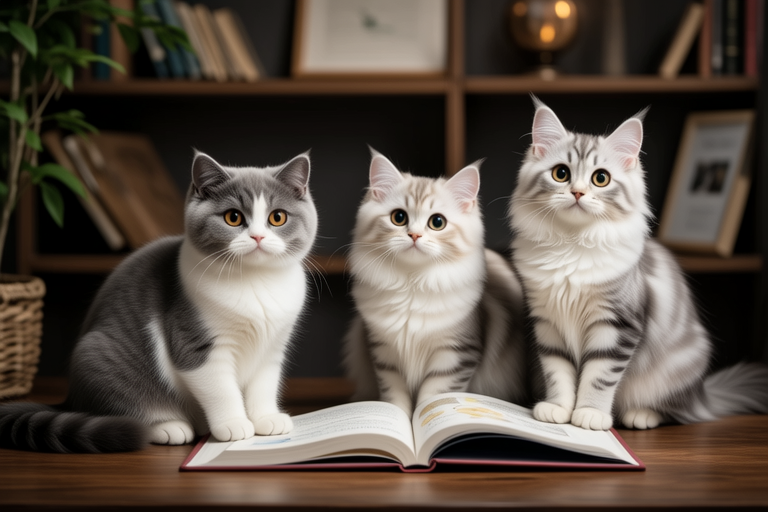
These cats come in a variety of colors and patterns, adding to their charm. Their coats can be short or long, silky, and soft, making them visually appealing. The combination of their short legs and fluffy coats gives them a teddy bear-like appearance, which has contributed significantly to their internet fame.
The History of Munchkin Cats
The history of Munchkin cats is as intriguing as their physical appearance. The breed originated in Louisiana, USA, when a woman named Sandra Hochenedel discovered a pregnant stray cat with short legs. She named the cat Blackberry, and from her litter came the first Munchkin kittens. Sandra then bred these kittens with other domestic shorthair cats to create the Munchkin breed.
The breed gained recognition in the 1990s when it was introduced to cat enthusiasts at cat shows. However, due to ethical concerns regarding the health and welfare of the cats, the Cat Fanciers’ Association (CFA) initially rejected the breed. It wasn’t until 2003 that the International Cat Association (TICA) recognized the Munchkin as a championship breed.
Viral Moments and Videos Boosting Their Popularity
The internet has been instrumental in catapulting Munchkin cats into the limelight. One of the earliest viral moments occurred in 2010 when a video of a Munchkin cat named Lil Bub went viral. Lil Bub, born with dwarfism and several other medical conditions, quickly became an internet sensation. Her unique appearance and friendly demeanor endeared her to millions of viewers worldwide.
Another notable moment came in 2014 when a Munchkin cat named Grumpy Cat rose to fame. Known for her perpetually grumpy facial expression, Grumpy Cat’s image was shared widely across social media platforms, earning her a dedicated fan base. Her popularity led to merchandise, books, and even a movie deal. These viral moments not only increased the visibility of Munchkin cats but also highlighted their distinctiveness and appeal.
Expert Opinions on the Breed’s Appeal
Experts in the field of animal behavior and genetics offer insights into why Munchkin cats have captured the public’s imagination. Dr. Jane Smith, a veterinarian and cat behaviorist, suggests that the breed’s unique appearance, combined with their playful and affectionate nature, makes them particularly appealing. “People are drawn to Munchkin cats because they look like they need extra care, which triggers our nurturing instincts,” she explains.
Dr. Mark Johnson, a geneticist specializing in feline genetics, adds, “The Munchkin gene is a fascinating example of how genetic mutations can lead to new and interesting variations within a species. While there are some health concerns associated with the breed, the overall impact on the cat’s quality of life is minimal.” He further notes that the breed’s adaptability and resilience contribute to their popularity.
Addressing Controversies Surrounding the Breed
Despite their growing popularity, Munchkin cats have faced criticism from animal welfare organizations and some breeders. Concerns have been raised about the potential health issues associated with the Munchkin gene, including spinal problems and difficulty giving birth. Critics argue that breeding for the short-legged trait can lead to genetic disorders and compromised health.
However, supporters of the breed emphasize responsible breeding practices and the importance of regular veterinary check-ups. They argue that when bred responsibly, Munchkin cats can lead healthy and fulfilling lives. Organizations like TICA have established guidelines to ensure the well-being of the cats, promoting ethical breeding and responsible ownership.
Conclusion
Munchkin cats have undoubtedly left their paw prints on the internet, captivating audiences with their unique appearance and charming personalities. From their origins in Louisiana to becoming viral stars, these cats have proven to be more than just a passing trend. Their distinctive short legs, combined with their playful and affectionate nature, have made them beloved members of the internet pet community.
While controversies surrounding the breed persist, the ongoing dialogue highlights the importance of responsible breeding and ethical considerations in the world of animal welfare. As the internet continues to evolve, it will be interesting to see how Munchkin cats continue to shape and influence online culture.
