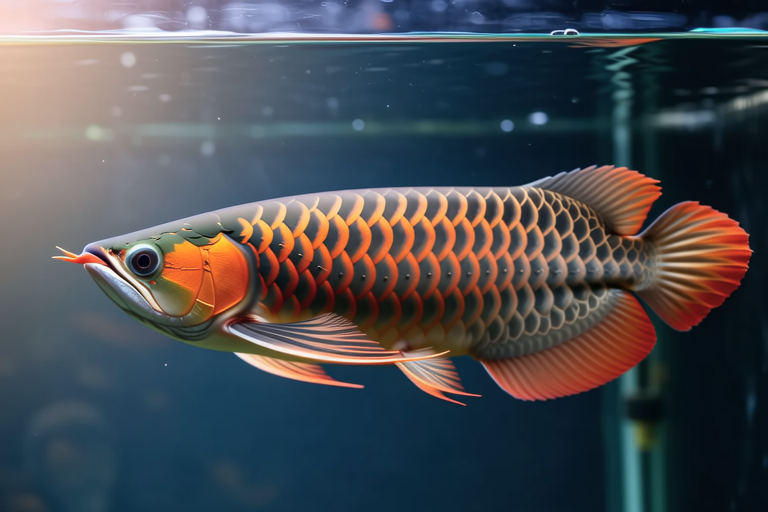
From Mythical Creature to Aquatic Pet: The Majestic Arowana
The arowana, often referred to as dragonfish due to its legendary status in many cultures, is one of the most fascinating creatures in the aquatic world. This article delves into the rich history and cultural significance of the arowana, its journey from mythical being to a popular choice for home aquariums, and provides detailed care instructions for those interested in keeping this majestic fish as a pet.
The Historical and Cultural Significance of Arowana
The arowana has been revered in various cultures for centuries. In Chinese folklore, the fish is believed to bring good fortune and prosperity, symbolizing wealth and success. Its scales are said to resemble coins, and its ability to leap out of water to catch prey adds to its mystique. This legend has made the arowana a highly sought-after item among collectors and enthusiasts.
In addition to its cultural importance, the arowana has also played a significant role in mythology across different regions. Native tribes in South America and Southeast Asia have their own stories about the arowana, often associating it with powerful deities or supernatural beings. These myths have contributed to the arowana’s reputation as a mystical creature, adding to its allure for collectors.
The Transformation of Arowana from Myth to Reality
Over time, the arowana’s status evolved from a mythical creature to a beloved aquarium fish. Advances in breeding techniques and increased availability have made it possible for more people to experience the beauty of these fish up close. Today, there are several species of arowana that can be found in home aquariums, each with its own unique characteristics and care requirements.
The transformation of the arowana from a rare and elusive creature to a popular pet has been driven by advancements in aquaculture and the growing interest in exotic fish. Breeders have developed new varieties with distinct color patterns and fin shapes, making them even more appealing to hobbyists.
Detailed Care Instructions for Keeping Arowana as Pets
Keeping arowanas requires careful consideration of their specific needs. They are large, active fish that require ample space and proper filtration. Here are some essential tips for maintaining a healthy environment:
- Tank Size: Arowanas need plenty of room to swim and grow. For a single adult, a tank measuring at least 6 feet long and 3 feet deep is recommended.
- Water Quality: Maintain stable pH levels between 6.5 and 7.5 and keep ammonia and nitrite levels at zero. Regular water changes and efficient filtration systems are crucial.
- Temperature: Optimal temperature ranges from 78°F to 84°F (25°C to 29°C).
- Feeding: Provide a varied diet consisting of live or frozen foods such as feeder fish, shrimp, and worms. Some species may accept pellets or flakes.
- Safety: Ensure the tank is secure to prevent the fish from jumping out. Use a tight-fitting lid or cover.
Unique Physical Characteristics and Behaviors
Arowanas possess several distinctive features that set them apart from other freshwater fish. Their elongated bodies, armored scales, and powerful tails make them formidable swimmers. They are known for their ability to leap out of the water to catch insects and small birds, showcasing their agility and hunting prowess.
Another remarkable trait of arowanas is their ability to breathe air through a modified swim bladder, allowing them to survive short periods outside of water. This adaptation has earned them the nickname ‘dragonfish,’ further cementing their place in folklore.
Dietary Needs
Arowanas are carnivorous predators with a voracious appetite. In the wild, they feed on insects, crustaceans, smaller fish, and occasionally even birds. As pets, they should be provided with a balanced diet of high-quality protein sources such as feeder fish, earthworms, and bloodworms. Some species may also consume pellets designed for predatory fish.
It’s important to note that overfeeding can lead to health issues, so portion control is necessary. Feed your arowana once or twice daily, offering only what it can consume within a few minutes.
Comparisons Between Different Species of Arowana
There are several species of arowana, each with its own unique appearance and behavior:
Asian Arowana (Scleropages formosus)
The Asian arowana, also known as the red-tailed or dragonfish, is perhaps the most famous species. It comes in various colors, including red, green, and gold. This species is highly valued in the aquarium trade due to its striking appearance and cultural significance.
South American Silver Arowana (Osteoglossum bicirrhosum)
The South American silver arowana is known for its sleek silver body and long pectoral fins. It is less expensive than its Asian counterpart but still requires specialized care. This species is often preferred by hobbyists who want a more affordable option without sacrificing beauty.
Arapaima (Arapaima gigas)
The arapaima, while not technically an arowana, shares many similarities with its cousins. It is one of the largest freshwater fish in the world, reaching lengths of up to 10 feet. Due to its size and rarity, it is rarely kept in home aquariums.
Why Arowanas Are Considered Majestic
Arowanas are considered majestic because of their combination of strength, elegance, and cultural significance. Their ability to leap out of water to catch prey showcases their hunting skills, while their armor-like scales provide protection against potential threats. Additionally, their vibrant colors and graceful movements make them visually stunning additions to any aquarium.
For aquarists, keeping arowanas offers a unique opportunity to connect with a piece of history and culture. By providing proper care and attention, you can ensure that your pet thrives in its new home, bringing joy and wonder to all who witness its splendor.
