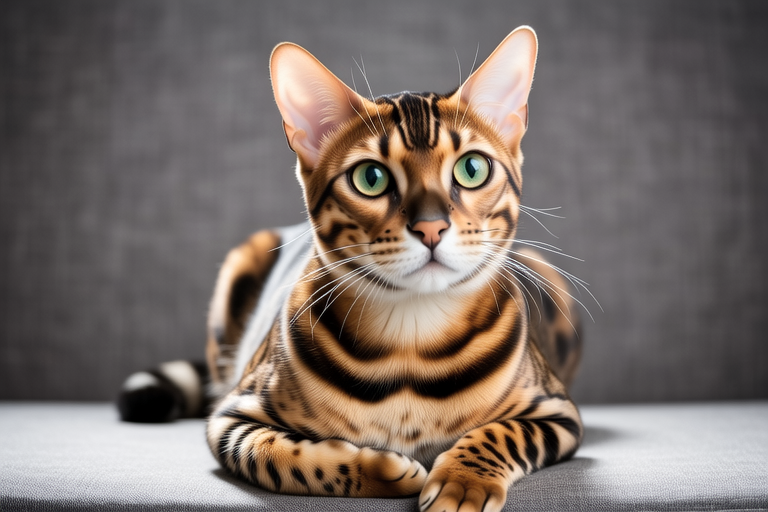
Bengal Cats Unveiled: Everything You Need to Know Before Adoption
The Bengal cat, a stunning and energetic feline breed, has captured the hearts of many cat lovers around the world. Originating from a cross between domestic cats and the Asian leopard cat, the Bengal cat brings together the beauty of wildcats with the affectionate nature of domestic pets. Known for their sleek, spotted coats that resemble those of their wild ancestors, these cats are truly a sight to behold. But beyond their striking appearance, Bengal cats have distinct temperaments, exercise needs, dietary requirements, and health considerations that potential owners should be aware of before adopting one.
Temperament
Bengal cats are known for their playful and active personalities. They are highly intelligent and curious, often engaging in activities that keep them mentally stimulated. These cats are also quite social, enjoying the company of humans and other pets alike. Unlike some breeds, Bengal cats are usually friendly towards strangers and can even be trained to walk on a leash. Their high energy levels mean they require plenty of interaction and playtime to stay happy and healthy.
Exercise Needs
Given their energetic nature, Bengal cats need regular exercise to maintain their physical and mental well-being. Interactive toys, such as feather wands or laser pointers, can help stimulate their hunting instincts. Providing climbing structures and scratching posts will also encourage them to stretch and climb, which is essential for their muscle development. Regular play sessions not only prevent boredom but also strengthen the bond between you and your Bengal cat.
Dietary Requirements
Bengal cats have specific dietary needs that must be met to ensure their health and longevity. High-quality commercial cat foods that are rich in protein and low in carbohydrates are recommended. Wet food can be particularly beneficial as it provides moisture that supports kidney function and aids in digestion. Additionally, Bengals may benefit from occasional treats made specifically for cats, but these should be given sparingly to avoid overfeeding.
Grooming Tips
Despite their luxurious coats, Bengal cats are relatively easy to groom. Their short, dense fur requires minimal brushing, though regular combing can help remove loose hairs and distribute natural oils. Bathing should be infrequent, as too much bathing can strip the coat of its natural oils. Nail trimming and dental hygiene are also important aspects of grooming. Providing your Bengal with a scratching post helps keep their nails trimmed naturally, while regular brushing of the teeth or offering dental chews can help maintain oral health.
Health Considerations
Bengal cats are generally healthy, but there are certain conditions that owners should be aware of. Hypertrophic cardiomyopathy, a heart disease, is more prevalent in this breed and can lead to serious complications if left untreated. Regular veterinary check-ups are crucial for early detection and management of any potential issues. Additionally, Bengal cats are prone to obesity, so monitoring their diet and ensuring they get enough exercise is vital.
Common Behaviors
Bengal cats are known for their vocalizations and can be quite talkative. They often communicate through chirps, trills, and meows, making them engaging companions. Another common behavior is their love for water; many Bengals enjoy playing with water or even swimming. This trait stems from their wild ancestry, where water is a natural part of their environment. Understanding and appreciating these behaviors can enhance the bond between you and your Bengal cat.
Choosing a Reputable Breeder
When considering adopting a Bengal cat, it is important to choose a reputable breeder who prioritizes the health and welfare of their cats. A good breeder will provide documentation of health screenings and vaccinations, as well as information about the cat’s lineage. They should also be willing to answer any questions you may have and offer support after the adoption. Visiting the breeder’s facility and meeting the parents of the kittens can give you a better understanding of the care and environment provided.
What to Expect During the Adoption Process
The adoption process for a Bengal cat typically involves several steps. Once you’ve chosen a breeder, you’ll likely be placed on a waiting list until a kitten becomes available. During this time, the breeder will provide updates on the litter’s progress. When it’s time to bring your new cat home, the breeder should offer guidance on transitioning your cat into its new environment. This includes advice on feeding schedules, litter box training, and basic care routines.
Summary
Owning a Bengal cat is a rewarding experience, but it also comes with significant responsibilities. Ensuring that you are fully prepared for this commitment is crucial. From understanding their unique temperament and exercise needs to providing proper nutrition and grooming, each aspect of caring for a Bengal cat plays a role in their overall well-being. By choosing a reputable breeder and being informed about the adoption process, you can set yourself up for a successful and joyful relationship with your new feline companion. Remember, adopting a Bengal cat is not just about having a beautiful pet but also about committing to their lifelong care and happiness.
