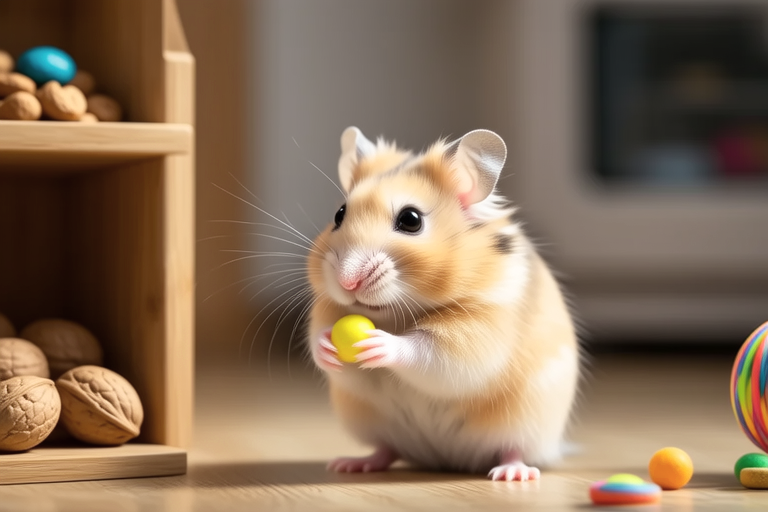
Golden Hamster Training Tips: Tricks You Never Knew Were Possible
Welcome to the fascinating world of golden hamsters! These small, furry creatures are not only adorable but also surprisingly intelligent. With a bit of patience and the right approach, you can train your golden hamster to perform tricks and interact with you in delightful ways. This guide will walk you through the basics of training your golden hamster, focusing on positive reinforcement techniques that will strengthen your bond while ensuring your pet remains happy and healthy.
The Intelligence of Golden Hamsters
Golden hamsters, also known as Syrian hamsters, are solitary animals native to Syria. Despite their small size, they possess remarkable problem-solving abilities and can learn simple tasks quickly. Their natural curiosity makes them eager to explore new environments, which can be harnessed during training sessions. Understanding their intelligence is key to effective training, as it allows you to tailor your approach to suit their learning capabilities.
Positive Reinforcement Methods
Positive reinforcement is the cornerstone of any successful training regimen for your golden hamster. By rewarding desired behaviors, you encourage your hamster to repeat those actions. Treats and verbal praise are two primary tools for reinforcing good behavior. When choosing treats, opt for small, nutritious options such as pieces of fruits (like apples or bananas), tiny bits of vegetables (carrots or peas), or specially formulated hamster treats. Always ensure the treats are safe and appropriate for your hamster’s diet.
Verbal praise, such as saying “good hamster” or “well done,” can be equally effective. Some hamsters may even learn to associate certain words with positive experiences. For instance, if you consistently say “good boy” after a successful training session, your hamster might start perking up at the sound of those words.
Training Basic Commands
One of the first commands you might want to teach your golden hamster is “come.” To do this, gently call your hamster by its name or a specific word while offering a treat. As your hamster approaches, reward it with the treat and praise. Over time, your hamster will learn to associate the command with the treat and come when called.
Another useful command is teaching your hamster to use its exercise wheel properly. Place the wheel in a visible area where your hamster can easily access it. Encourage your hamster to climb onto the wheel by placing treats inside or near it. Once your hamster starts using the wheel, reward it with additional treats and praise. This not only helps your hamster stay active but also prevents boredom, which can lead to destructive behaviors.
Environmental Enrichment
Providing a stimulating environment is crucial for your golden hamster’s well-being. Toys and mazes offer excellent opportunities for mental and physical stimulation. Rotate toys regularly to keep things interesting; common favorites include tunnels, chew toys, and puzzle feeders. Puzzle feeders, for example, challenge your hamster to retrieve treats, promoting both problem-solving skills and physical activity.
Mazes are another fantastic way to engage your hamster’s mind. Create simple mazes using cardboard boxes or plastic tunnels. Encourage your hamster to navigate through the maze by placing treats at various points. Watching your hamster figure out the maze can be incredibly entertaining, and it provides valuable mental stimulation.
Signs of a Happy, Healthy Hamster
A successfully trained hamster will exhibit several signs of happiness and health. A contented hamster is usually active, curious, and playful. It will show interest in interacting with you and its surroundings. Regularly grooming itself and maintaining a clean living space are other indicators of good health. Additionally, a healthy hamster will have bright eyes, a glossy coat, and a steady appetite.
If your hamster seems lethargic, disinterested in food, or displays unusual behaviors, it might be experiencing stress or health issues. In such cases, consult a veterinarian to ensure your hamster receives proper care.
Patience and Consistency
Training your golden hamster requires patience and consistency. Each hamster learns at its own pace, so it’s important not to rush the process. Keep training sessions short and fun, ideally no longer than 10-15 minutes at a time. Repeat the same exercises over several days to reinforce the lessons. With time and effort, you’ll see your hamster responding more readily to commands and becoming increasingly comfortable around you.
Remember, the goal of training is to build a strong, trusting relationship with your hamster. By focusing on positive reinforcement and providing a stimulating environment, you’ll create a happy, healthy companion who enjoys spending time with you.
In conclusion, golden hamsters are intelligent and trainable pets capable of learning various tricks and commands. Through positive reinforcement, you can encourage your hamster to come when called, use its exercise wheel properly, and enjoy interactive playtime. Environmental enrichment with toys and mazes further enhances your hamster’s quality of life, fostering mental and physical well-being. By staying patient and consistent, you’ll form a bond with your hamster that will bring joy to both of you. Happy training!
