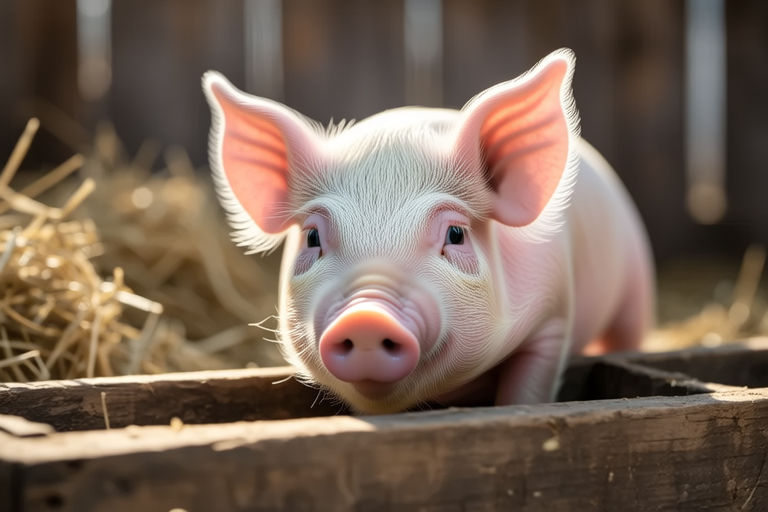
The Secret Lives of Mini Pigs: Debunking Myths and Sharing Realities
Mini pigs have become increasingly popular pets over the past few decades. Their small size, cute faces, and seemingly gentle nature have captivated the hearts of many animal lovers. However, there are several myths surrounding these animals that can lead to unrealistic expectations for both the pet and its owner. In this article, we will delve into the secret lives of mini pigs, debunk common myths, and share the realities of owning one of these fascinating creatures.
Myth 1: Mini Pigs Are Small
One of the most widespread misconceptions about mini pigs is their size. Many people assume that these animals remain tiny throughout their lives, similar to toy breeds of dogs. The truth is that mini pigs can vary greatly in size, with some reaching weights of up to 75 kg (165 lbs). While dwarf breeds may be smaller, it’s important to understand that even the smallest mini pigs require space and resources suitable for their larger-than-average size.
Myth 2: Mini Pigs Live Only a Few Years
Another myth about mini pigs is their relatively short lifespan. Contrary to popular belief, mini pigs can live between 12 to 20 years, depending on breed and care. This longevity means that owning a mini pig is a significant long-term commitment, requiring consistent attention to their health and well-being.
Myth 3: Mini Pigs Are Easy to Care For
The idea that mini pigs are easy to care for is another misconception. These intelligent and social animals have specific dietary, exercise, and behavioral needs. Proper care involves understanding their unique biology and psychology, which can be quite challenging for first-time pet owners.
Scientific Facts About Mini Pigs
Behavior
Mini pigs are highly intelligent and social animals. They thrive in environments where they can interact with other pigs or humans. Studies show that mini pigs can learn simple commands and tricks, much like dogs. They also exhibit complex behaviors such as play, curiosity, and problem-solving skills. Providing mental stimulation through toys and activities is crucial for their emotional and physical well-being.
Diet
Understanding the dietary needs of mini pigs is essential for their health. Unlike popular belief, feeding them scraps from the table can be harmful. Mini pigs require a balanced diet consisting mainly of commercial pig feed designed for their nutritional needs. This diet should include vitamins, minerals, and proteins necessary for growth and maintenance. Overfeeding can lead to obesity, a common issue among mini pigs, which can result in joint problems and other health issues.
Health Needs
Regular veterinary check-ups are vital for maintaining the health of mini pigs. They are prone to certain health conditions, including parasites, respiratory infections, and dental issues. Routine vaccinations and deworming are necessary to prevent these ailments. Additionally, ensuring proper hygiene and a clean living environment can significantly reduce the risk of illness.
The Responsibilities of Owning a Mini Pig
Owning a mini pig comes with significant responsibilities. First and foremost, it requires a commitment to provide adequate space, nutrition, and medical care. Mini pigs need a safe, secure area where they can move freely and comfortably. This space should include shelter from harsh weather conditions and protection from predators.
Training and socialization are also crucial aspects of raising a mini pig. Positive reinforcement techniques, such as treats and praise, work best for teaching mini pigs basic commands and good manners. Socialization helps them become comfortable around other animals and people, reducing the likelihood of aggressive behavior.
Real-life stories from mini pig owners can provide valuable insights into the realities of ownership. One owner shared that her mini pig, despite being small, required a large outdoor pen with a roof to protect it from the elements. Another mentioned the importance of regular grooming to keep the pig’s skin healthy and free from parasites.
Conclusion
In conclusion, mini pigs are fascinating and rewarding pets, but they come with unique challenges. By understanding their true nature, dietary needs, and health requirements, potential owners can make informed decisions about whether a mini pig is the right fit for their lifestyle. It’s crucial to remember that owning a mini pig is a long-term commitment that demands dedication and patience.
Before bringing a mini pig into your home, take the time to research thoroughly. Consult with veterinarians, experienced owners, and breeders to gain a comprehensive understanding of what it takes to provide a happy and healthy life for these remarkable animals. With the right knowledge and preparation, mini pigs can bring joy and companionship to their human families for many years to come.
