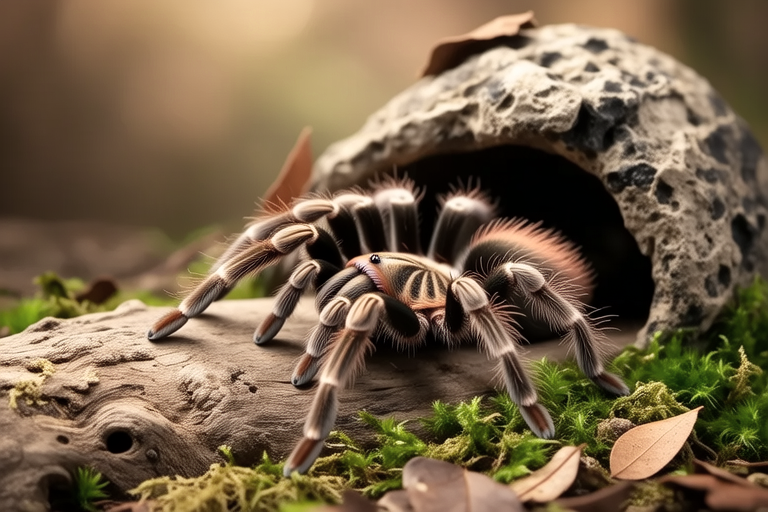
Top Secrets for Successfully Keeping a Chilean Rose Tarantula as a Pet
The Chilean rose tarantula (Grammostola rosea) is one of the most popular species among tarantula enthusiasts, especially beginners. These spiders are known for their manageable size, docile temperament, and vibrant colors. With proper care, they can live up to 20 years in captivity, making them an excellent choice for those looking for a low-maintenance pet. This article will guide you through the top secrets for successfully keeping a Chilean rose tarantula as a pet, covering everything from habitat setup to health care.
Habitat Setup
A well-designed habitat is crucial for the well-being of your Chilean rose tarantula. Start by selecting an appropriate enclosure. A 10-gallon tank is suitable for an adult tarantula, providing enough space for movement while maintaining optimal environmental conditions.
- Substrate: Use a layer of coconut fiber or a mix of potting soil and vermiculite to create a natural substrate. This material retains moisture and mimics the spider’s natural environment.
- Hiding Spots: Provide multiple hiding spots such as cork bark or half logs. These allow the tarantula to feel secure and reduce stress.
- Decorations: Add plants, rocks, and branches to enrich the environment and encourage natural behaviors like climbing.
Temperature and Humidity Requirements
Maintaining the right temperature and humidity levels is vital for the health of your tarantula. The ideal temperature range is between 75°F and 85°F (24°C to 29°C), with a relative humidity level of 60% to 80%. Use a thermometer and hygrometer to monitor these conditions regularly.
- Heating: Place a heat mat under one side of the enclosure to create a temperature gradient. This allows the tarantula to regulate its body temperature by moving between warmer and cooler areas.
- Misting: Mist the substrate lightly once or twice a week to maintain humidity. Avoid over-saturating the enclosure, as excess moisture can lead to respiratory issues.
Feeding Habits
Chilean rose tarantulas are carnivorous and primarily feed on insects. Feed them appropriately sized prey items, such as crickets, mealworms, and dubia roaches. Offer one or two prey items every 7 to 10 days, depending on the tarantula’s size and activity level.
- Dust Prey: Before feeding, dust the prey items with calcium and vitamin supplements to ensure your tarantula receives all necessary nutrients.
- Water Source: Provide a shallow water dish filled with dechlorinated water. Ensure it is easily accessible and cleaned regularly.
Handling Tips
While Chilean rose tarantulas are generally docile, they may react defensively if mishandled. Always handle your tarantula with care and respect its boundaries.
- Use Tongs: When necessary, use long-handled tongs to gently move the tarantula within its enclosure. This minimizes direct contact and reduces the risk of accidental injury.
- Avoid Frequent Handling: Limit handling sessions to prevent undue stress. Frequent handling can disrupt the tarantula’s natural behavior and potentially harm it.
Health Care Basics
Regular monitoring and prompt attention to any signs of illness are essential for maintaining your tarantula’s health.
- Observation: Regularly observe your tarantula for any changes in behavior, appetite, or physical appearance. Early detection of issues can significantly improve treatment outcomes.
- Parasite Prevention: Maintain a clean enclosure and quarantine new prey items to prevent the introduction of parasites. Consult a veterinarian specializing in exotic animals for appropriate treatments.
Common Mistakes to Avoid
Even experienced tarantula owners can fall into common pitfalls. Here are some mistakes to avoid:
- Overcrowding: Avoid housing multiple tarantulas together, as this can lead to aggressive interactions and stress.
- Improper Feeding: Do not overfeed or underfeed your tarantula. Both can lead to health problems and shorten its lifespan.
- Neglecting Environmental Needs: Failing to maintain the correct temperature and humidity levels can cause respiratory issues and molting complications.
Unique Characteristics of Chilean Rose Tarantulas
Several unique characteristics make the Chilean rose tarantula an ideal pet for beginners:
- Docile Temperament: These tarantulas are generally calm and unlikely to bite unless provoked.
- Small Size: Their relatively small size makes them easier to house and manage compared to larger tarantula species.
- Vibrant Appearance: The Chilean rose tarantula has a distinctive pinkish hue that adds visual appeal to any collection.
Maintaining a Stress-Free Environment
To ensure your tarantula lives a long and healthy life, focus on creating a stress-free environment.
- Minimize Disturbances: Reduce noise and vibrations near the enclosure to prevent stress.
- Provide Privacy: Ensure the tarantula has adequate hiding spots to retreat when needed.
- Consistent Routine: Establish a consistent feeding and maintenance schedule to minimize disruptions.
Ensuring Longevity
With proper care, your Chilean rose tarantula can live up to 20 years. Here are some additional tips to extend its lifespan:
- Healthy Diet: Feed a balanced diet rich in nutrients to support overall health.
- Regular Checkups: Schedule regular checkups with a veterinarian specializing in exotic animals to monitor health and address any concerns early.
- Safe Molting: Ensure the enclosure is conducive to safe molting by maintaining the correct environmental conditions.
By following these guidelines, you can provide a comfortable and stimulating environment for your Chilean rose tarantula, ensuring its happiness and longevity. Remember, each tarantula is unique, so pay close attention to individual needs and adjust care accordingly.
