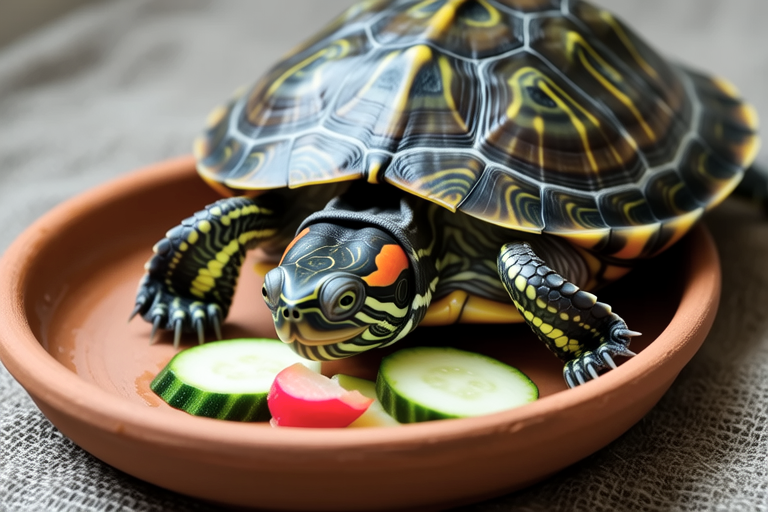
The Ultimate Guide to Feeding Your Red-eared Slider Like a Pro
Proper nutrition is fundamental to the well-being of any pet, and this is especially true for red-eared sliders. These semi-aquatic turtles have unique dietary needs that must be met to ensure they live long, healthy lives. A balanced diet provides essential nutrients, supports growth, and maintains overall health. Understanding what your red-eared slider needs and how to feed it properly can be challenging but rewarding.
Understanding Essential Nutrients for Red-eared Sliders
Red-eared sliders require a variety of nutrients to thrive. Protein is crucial for muscle development and repair, while calcium and vitamin D3 are vital for strong bones and shell formation. Vitamins A, C, and E support immune function, metabolism, and cell protection. Omega-3 fatty acids promote healthy skin and eyes. Ensuring a balanced diet helps prevent deficiencies and related health issues.
Creating a Balanced Diet
To create a balanced diet for your red-eared slider, it’s important to include a mix of commercial turtle food, vegetables, fruits, and proteins. Commercial turtle food should form the base of their diet, providing essential nutrients. Supplement this with fresh vegetables and occasional fruits for vitamins and minerals, and protein sources like earthworms, crickets, or small fish for additional nutrition.
Feeding Schedule by Life Stage
Newborn Hatchlings (0-6 months)
Hatchlings need more frequent feedings than adults because they’re growing rapidly. Feed them three times daily, offering small amounts of commercial turtle food, finely chopped leafy greens, and tiny pieces of protein. Monitor their growth to adjust portions accordingly.
Juveniles (6 months – 4 years)
Juvenile red-eared sliders benefit from two daily feedings. Continue offering commercial turtle food, but introduce more variety with vegetables, fruits, and proteins. As they grow, gradually reduce feeding frequency to once a day.
Adults (4+ years)
Adult sliders should be fed every other day. Their diet should still include commercial turtle food but with more emphasis on vegetables, fruits, and proteins. Adjust portion sizes based on their activity levels and overall health.
Recommended Foods
Commercial Turtle Food
Choose high-quality commercial turtle food that contains essential nutrients. Look for products specifically formulated for aquatic turtles and avoid those with artificial colors, flavors, or preservatives.
Vegetables
Safe vegetables include collard greens, dandelion greens, mustard greens, romaine lettuce, green beans, and squash. Avoid iceberg lettuce and spinach, which can cause nutrient imbalances.
Fruits
Fruits such as apples, berries, melons, and bananas can be offered sparingly. They provide natural sugars and vitamins but should not exceed 10% of their diet.
Proteins
Protein sources like earthworms, crickets, and small fish are beneficial. Avoid processed meats and ensure any fish is freshwater and free of mercury.
Tips for Preparing and Serving Meals
Prepare meals in a clean area and wash all produce thoroughly before serving. Cut foods into appropriate sizes to prevent choking. Serve meals in shallow water or on land, depending on the type of food. Adjust portion sizes based on your slider’s size and activity level. Overfeeding can lead to obesity and health problems, so aim for a moderate amount.
Common Feeding Mistakes and Their Impacts
Overfeeding is one of the most common mistakes, leading to obesity and potential organ failure. Another mistake is feeding inappropriate foods, such as dairy products or sugary snacks, which can cause digestive issues. Failing to provide adequate calcium and vitamin D3 can result in metabolic bone disease. Regular veterinary check-ups help identify and address these issues early.
Monitoring Health Through Feeding Habits
Regularly observe your red-eared slider’s eating habits. Healthy sliders will show interest in their food and consume it within 15 minutes. If they consistently refuse food or eat less than usual, consult a veterinarian. Adjusting their diet based on their health can prevent serious issues.
In conclusion, proper nutrition is key to keeping your red-eared slider happy and healthy. By understanding their nutritional needs, following a balanced feeding schedule, and avoiding common mistakes, you’ll ensure your pet thrives. Regular health checks and adjustments to their diet as needed will further support their well-being. With the right approach, you can enjoy many years of companionship with your red-eared slider.
