Chinchillas: The Perfect Pet?
Chinchillas are small, fluffy rodents that have become increasingly popular as pets in recent years. Known for their soft, dense fur and playful personalities, these animals offer a unique and rewarding pet experience. However, owning a chinchilla comes with specific responsibilities, including understanding their physical traits, grooming habits, dietary needs, and housing preferences. This article explores the distinct characteristics and care requirements of chinchillas, highlighting what makes them stand out in the world of pets.
Physical Traits
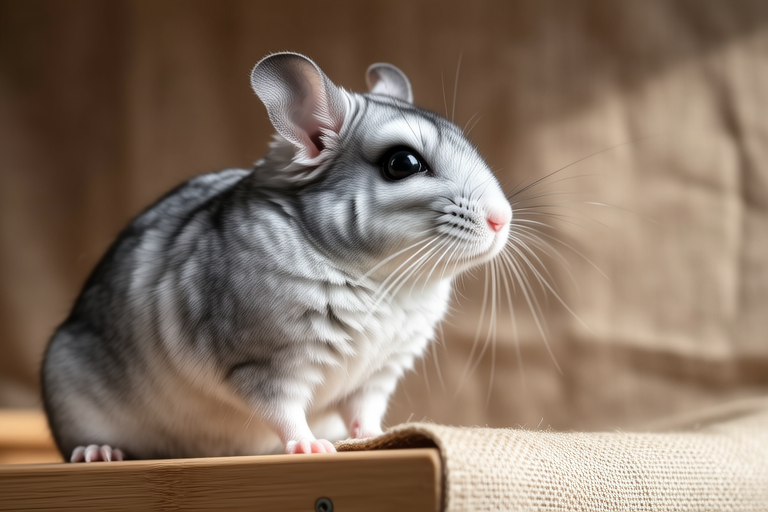
Chinchillas are native to the Andes Mountains in South America, where they have adapted to life at high altitudes. Their most striking feature is their luxurious, velvet-like fur, which can have up to 60 hairs growing from a single follicle. This dense coat helps them stay warm in cold climates and cool in hot ones. Chinchillas come in various colors, including standard gray, beige, white, and black velvet.
These small mammals typically weigh between 400 and 600 grams and measure about 9 to 14 inches in length, excluding their tails. Their large ears and dark eyes give them a curious appearance, and their hind legs are longer than their front legs, allowing them to hop like rabbits. Chinchillas have strong claws and teeth, which they use to gnaw on wood and other materials to keep their teeth trimmed and prevent overgrowth.
Grooming Habits
One of the most distinctive aspects of chinchillas is their unique grooming habits. Unlike many other animals, chinchillas cannot bathe in water due to the density of their fur, which would take too long to dry and could lead to skin infections. Instead, they take dust baths, which help remove oils and debris from their coats. Owners should provide their chinchillas with a shallow container filled with commercial chinchilla dust or volcanic ash, allowing them to roll around and clean themselves.
Chinchillas also groom each other, a behavior known as allogrooming. This social activity strengthens bonds between individuals and helps maintain hygiene. It’s important for owners to ensure that their chinchillas have enough space and companionship to engage in this natural behavior.
Dietary Needs
Chinchillas are herbivores, primarily feeding on grasses, seeds, and leaves in their natural habitat. As pets, they require a diet rich in fiber and low in sugar. A good quality chinchilla pellet should form the basis of their diet, supplemented with hay, such as timothy or orchard grass. Fresh vegetables and fruits can be offered sparingly as treats but should not exceed 10% of their total diet. It’s crucial to avoid foods high in sugar or fat, as these can cause obesity and dental problems.
Owners should ensure that their chinchillas always have access to fresh, clean water. A gravity-fed water bottle with a metal sipper tube is recommended, as it reduces the risk of contamination and keeps the water cool. Regularly cleaning and refilling the bottle is essential to maintaining good hygiene.
Housing Preferences
Chinchillas need spacious enclosures that allow them to move around freely and climb. A cage with a minimum floor area of 24 x 36 inches and a height of 24 inches is suitable for a single chinchilla, while larger cages are preferable for multiple chinchillas. The cage should have multiple levels connected by ramps or ladders, providing opportunities for climbing and exploration.
Wire flooring is generally not recommended for chinchillas, as it can cause foot injuries. Instead, solid flooring covered with bedding material, such as shredded paper or wood shavings, provides a comfortable and safe surface. The cage should be placed in a quiet area away from direct sunlight, drafts, and excessive noise. Chinchillas are sensitive to temperature changes and should be kept in a room with a temperature range of 60 to 70°F (15 to 21°C).
Adaptability to Different Environments
Despite their origins in high-altitude mountain regions, chinchillas can adapt to a wide range of living conditions when properly cared for. They thrive in cooler environments and can tolerate temperatures as low as 40°F (4°C). However, they struggle in hot weather and should be protected from overheating. Owners should provide air conditioning or fans during hot summer months and ensure that their chinchillas have access to shaded areas within their enclosures.
Chinchillas are active animals that enjoy playing and exploring. Owners can enrich their environment by providing toys, tunnels, and platforms for climbing. These activities stimulate their minds and bodies, preventing boredom and promoting mental and physical well-being. It’s important to regularly rotate toys to keep the chinchillas interested and engaged.
Social Behaviors
Chinchillas are social animals that often live in colonies in the wild. In captivity, they can form strong bonds with their human caretakers and other chinchillas. Many owners choose to keep pairs or groups of chinchillas together, as they tend to be happier and more content when housed with companions. Introducing new chinchillas to an existing group requires careful planning and gradual integration to avoid conflicts.
Chinchillas are generally quiet animals, making them suitable for households with noise-sensitive members. However, they can vocalize through chirps, squeaks, and purrs, especially when communicating with other chinchillas or seeking attention from their owners. Positive reinforcement training can encourage desirable behaviors and strengthen the bond between chinchillas and their human caregivers.
Common Health Issues and Preventive Care
Like all pets, chinchillas are susceptible to certain health issues. Dental problems, such as overgrown teeth, are common due to the continuous growth of their incisors. Providing appropriate chew toys and ensuring a balanced diet can help prevent these issues. Regular veterinary check-ups are essential for early detection and treatment of any dental problems.
Respiratory infections are another concern for chinchillas, often caused by poor ventilation or exposure to drafts. Maintaining proper humidity levels and ensuring good air circulation within the enclosure can reduce the risk of respiratory issues. Owners should monitor their chinchillas for signs of illness, such as sneezing, nasal discharge, or lethargy, and seek veterinary care promptly if necessary.
Maintenance of a clean living environment is crucial for preventing bacterial and fungal infections. Regular cleaning of the cage, bedding, and food and water containers helps minimize the risk of illness. Owners should also pay attention to their chinchillas’ overall appearance and behavior, addressing any changes in grooming habits, appetite, or activity levels.
Tips for Potential Owners
Creating an enriching environment for chinchillas involves providing adequate space, stimulating activities, and social interactions. Owners should offer a variety of toys, such as wooden blocks, tunnels, and exercise wheels, to keep their chinchillas entertained and physically active. Rotating toys and introducing new items periodically can help maintain interest and engagement.
Providing opportunities for social interaction is equally important. Chinchillas can form close bonds with their human caretakers and may enjoy gentle handling and playtime. However, it’s essential to respect their boundaries and avoid forcing interactions that make them uncomfortable. Building trust and establishing positive relationships takes time and patience.
Conclusion
Chinchillas are adorable, intelligent, and adaptable pets that offer a unique and rewarding companionship experience. Their luxurious fur, grooming habits, and social behaviors make them stand out in the world of pets. However, owning a chinchilla requires a commitment to understanding their specific needs and providing proper care. By creating an enriching environment, maintaining good hygiene, and addressing health concerns proactively, owners can ensure that their chinchillas live happy, healthy lives. With the right care and attention, chinchillas can become cherished members of any household.
