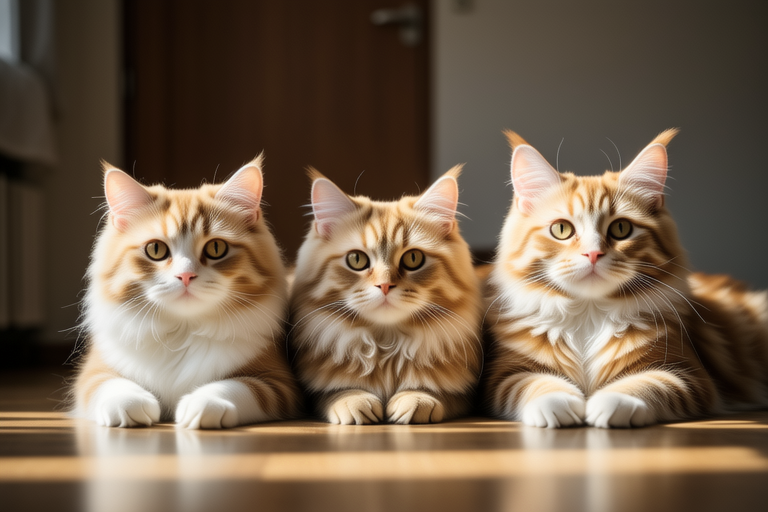
Purrfect Companions: Discovering the Unique Traits of Orange Cats
Orange cats have long captured the hearts of cat enthusiasts with their striking appearance and captivating personalities. These felines, often referred to as ginger or marmalade cats, are not just a color but a symbol of warmth and charm. From ancient times to modern-day households, orange cats have been popular companions, celebrated for their distinct traits and behaviors. This article delves into the unique characteristics, personalities, and common health traits of orange cats, providing insights into their history, behavior, and compatibility with families and other pets.
The Historical Popularity of Orange Cats
The allure of orange cats can be traced back centuries. In folklore and literature, these cats have been depicted as symbols of good luck, wisdom, and protection. For instance, in Norse mythology, Freyja, the goddess of love and fertility, was often accompanied by two orange tabby cats named Bygul and Trjegul. Similarly, in Japan, Maneki-neko, the beckoning cat, is frequently portrayed as an orange cat, believed to bring prosperity and good fortune to its owners.
In the Western world, orange cats gained popularity during the Victorian era when owning a cat became a status symbol. Their vibrant coats made them stand out in the homes of the wealthy, and they were often pampered and cherished. Today, orange cats remain among the most beloved and recognizable feline breeds, with many households welcoming them into their families.
Famous Orange Cat Breeds
While orange fur can appear in various cat breeds, some are more commonly associated with this distinctive coloration. The Maine Coon, one of the largest domesticated cat breeds, often features an orange coat. Known for their friendly demeanor and playful nature, Maine Coons are excellent family pets. Another notable breed is the British Shorthair, recognized for its plush, dense coat and robust physique. Orange British Shorthairs are particularly sought after for their calm and affectionate personalities.
The American Shorthair is another breed that frequently boasts orange fur. These cats are known for their resilience and adaptability, making them ideal for both indoor and outdoor living. Their easygoing nature and strong immune systems make them popular choices for families and individuals alike.
Distinctive Characteristics and Personalities
Orange cats are not only admired for their striking appearance but also for their unique personalities. They are often described as confident, outgoing, and social, traits that make them excellent companions. Many orange cats exhibit a strong sense of curiosity, always eager to explore new environments and engage with their surroundings. Their playful nature keeps them active and engaged, making them enjoyable to watch and interact with.
Despite their bold exteriors, orange cats can also be quite affectionate and loving. They often form close bonds with their human families, seeking attention and companionship. Some orange cats are particularly fond of being petted and will purr contentedly for extended periods. Their loyalty and devotion to their owners make them cherished members of the household.
Behavior and Compatibility
Orange cats are generally well-suited for family life. They tend to get along well with children and other pets, provided proper introductions are made. Their playful and adaptable nature allows them to thrive in a variety of settings, from bustling households with multiple pets to quieter homes with just one owner. However, it’s important to note that every cat is an individual, and their behavior can vary based on their upbringing and experiences.
When introducing an orange cat to a new environment, patience and gradual exposure are key. Allow the cat time to acclimate to its surroundings and establish routines. Providing a safe space where the cat can retreat if feeling overwhelmed can help ease the transition. With time and consistent positive reinforcement, orange cats can become fully integrated members of the family.
Common Health Traits
While orange cats are generally healthy, there are certain health considerations to be aware of. One notable trait is their susceptibility to certain genetic conditions. For example, orange cats are more likely to develop hypertrophic cardiomyopathy (HCM), a heart disease characterized by thickening of the heart muscle. Regular veterinary check-ups and early detection can help manage this condition effectively.
Another common health issue among orange cats is diabetes. Obesity is a significant risk factor for diabetes, so maintaining a healthy weight through proper diet and exercise is crucial. Feeding high-quality cat food and limiting treats can help prevent obesity and reduce the risk of diabetes. Additionally, regular blood sugar monitoring and medication may be necessary for cats diagnosed with diabetes.
Myths Surrounding Orange Cats
Throughout history, orange cats have been the subject of numerous myths and superstitions. One popular myth suggests that all orange cats are male. While it is true that the orange gene is more prevalent in males, females can also have orange fur. Another misconception is that orange cats are less intelligent than other breeds. This is entirely false; intelligence varies among individual cats regardless of their color.
Some people believe that orange cats are more prone to aggression. However, this is not supported by scientific evidence. Aggression in cats is influenced by factors such as genetics, environment, and upbringing. With proper care and socialization, orange cats can be gentle and loving pets.
Tips for Potential Owners
If you’re considering bringing an orange cat into your home, there are several factors to keep in mind. First, choose a reputable breeder or adopt from a reputable shelter to ensure the cat comes from a healthy and stable background. Spend time observing the cat’s behavior and personality to ensure a good match for your lifestyle.
Provide a stimulating environment with toys, scratching posts, and climbing structures to keep your orange cat entertained and active. Regular grooming is essential to maintain their coat’s health and shine. Use brushes designed for short-haired cats to prevent matting and tangling.
Schedule routine veterinary visits to monitor your cat’s health and address any concerns promptly. Follow your veterinarian’s recommendations regarding vaccinations, parasite prevention, and dietary supplements. Creating a supportive and nurturing environment will help your orange cat thrive and enjoy a long, happy life.
Conclusion
Orange cats are truly purrfect companions, offering a unique blend of charm, personality, and loyalty. Their rich history, distinctive traits, and endearing behaviors make them cherished members of many households. By understanding their needs and providing proper care, you can ensure your orange cat enjoys a fulfilling and healthy life. Whether you’re a seasoned cat owner or considering adding a feline friend to your family, an orange cat could be the perfect choice for you.
