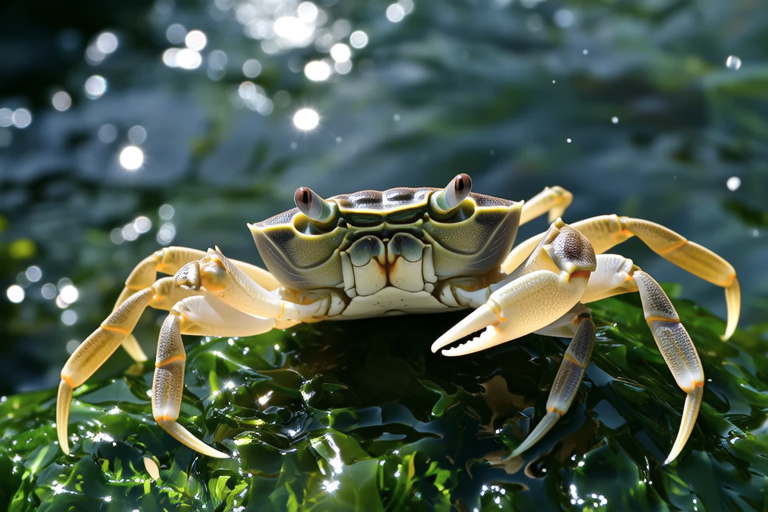
Pea Crab Chronicles: Discovering Nature’s Mini Marvels
Welcome to the enchanting world of pea crabs, tiny yet fascinating creatures that have captured the hearts of marine biologists and nature enthusiasts alike. These miniature marvels are not only charming but also play a crucial role in the complex web of marine ecosystems. In this article, we will delve into the unique life cycle, symbiotic relationships, and adaptations of pea crabs, exploring their habitats, diet, and interactions within marine environments.
The Unique Life Cycle of Pea Crabs
The life cycle of pea crabs is as intriguing as it is complex. Unlike most crabs, pea crabs do not go through a typical larval stage. Instead, they begin their lives as free-swimming larvae, known as zoeae. These larvae are incredibly small, measuring just a few millimeters in length. After hatching from eggs, they spend several weeks drifting in the open ocean, feeding on plankton and avoiding predators.
Once they reach a certain size, the zoeae undergo a metamorphosis, transforming into megalopae. This transitional stage is characterized by a more crab-like appearance, with rudimentary claws and legs. Megalopae continue to drift in the water column until they find a suitable host. This is where the symbiotic relationship begins, a partnership that will define the rest of their lives.
Upon finding a host, typically a bivalve mollusk such as an oyster or mussel, the megalopa enters the shell and undergoes another transformation. Inside the host, the megalopa molts and develops into an adult pea crab. This process is remarkable because it allows the crab to bypass the vulnerable juvenile stages that many other crabs face. The protection offered by the host’s shell is crucial for their survival.
Symbiotic Relationships: A Mutualistic Bond
One of the most fascinating aspects of pea crabs is their symbiotic relationship with their hosts. This mutualistic bond benefits both parties involved. For the pea crab, the host provides a safe haven, shelter, and a reliable source of food. In return, the pea crab helps maintain the health of its host by cleaning parasites and debris from the host’s tissues.
The relationship between pea crabs and their hosts is not one-sided. The host benefits significantly from the presence of pea crabs. By removing parasites and detritus, pea crabs help prevent infections and improve the overall health of the host. Additionally, some species of pea crabs have been observed to stimulate the growth of new tissue in their hosts, which can aid in healing injuries or promoting better filtration efficiency.
This symbiosis is particularly evident in oysters. Oysters are filter feeders that constantly pump water through their gills to extract nutrients. Pea crabs living inside oysters assist in maintaining the cleanliness of the oyster’s internal environment, ensuring efficient filtration and reducing the risk of disease. This partnership underscores the interconnectedness of marine ecosystems and highlights how even the smallest organisms can have a significant impact.
Adaptations for Survival
Pea crabs have evolved a series of remarkable adaptations that enable them to thrive in their unique environment. One of the most notable adaptations is their flattened body shape, which allows them to fit snugly inside the shells of their hosts. This adaptation not only provides protection but also enables them to move freely within the host’s cavity without causing discomfort.
Another key adaptation is their ability to change color to match their surroundings. Pea crabs can alter their pigmentation to blend in with the interior of their host’s shell, making them nearly invisible to potential predators. This camouflage is particularly useful when the host is exposed to the outside world, such as during low tide.
Pea crabs also possess specialized appendages that aid in their symbiotic lifestyle. Their first pair of walking legs has evolved into elongated structures called maxillipeds, which they use to manipulate food particles and transfer them to their mouthparts. This adaptation ensures that they can efficiently obtain nourishment from the limited space within their host.
Habitats and Diet
Pea crabs are found in a wide range of marine habitats, including coastal waters, estuaries, and even deep-sea environments. They prefer areas where their host species are abundant, such as oyster reefs, mussel beds, and seagrass meadows. These habitats provide the necessary conditions for the crabs to thrive, offering both shelter and a steady supply of food.
The diet of pea crabs primarily consists of the soft tissues and reproductive products of their hosts. They feed on gametes, mucus, and other organic matter produced by the host. This diet is rich in nutrients, providing all the sustenance they need to grow and reproduce. However, pea crabs are opportunistic feeders and may also consume small planktonic organisms if available.
Interestingly, the availability of food within the host can influence the growth and development of pea crabs. In environments where food is scarce, pea crabs may grow more slowly or remain smaller than those in nutrient-rich areas. This adaptability ensures their survival in various ecological niches.
Interactions Within Marine Ecosystems
Pea crabs play a vital role in maintaining the balance of marine ecosystems. As part of the larger community of organisms, they contribute to nutrient cycling and energy flow. By consuming and processing the reproductive products of their hosts, pea crabs help regulate population dynamics and ensure the continued productivity of these species.
In addition to their direct interactions with hosts, pea crabs also serve as prey for larger marine animals. Fish, birds, and other predators rely on pea crabs as a source of nutrition, further integrating them into the food web. This role as both predator and prey underscores their importance in sustaining the overall health and stability of marine ecosystems.
Furthermore, the presence of pea crabs can indirectly influence the behavior of their hosts. For example, some studies have shown that hosts with pea crabs exhibit reduced activity levels compared to those without. This could be due to the crabs’ cleaning activities, which reduce the host’s need to engage in self-cleaning behaviors. Such observations highlight the intricate and often unexpected ways in which symbiotic relationships shape the behavior of marine organisms.
The Significance of Pea Crabs in Nature
Despite their small size, pea crabs hold significant value in nature. Their unique life cycle, symbiotic relationships, and adaptations make them a subject of fascination for scientists and nature lovers. Understanding the role of pea crabs in marine ecosystems can provide valuable insights into the broader functioning of these environments.
Moreover, the study of pea crabs offers practical applications in fields such as aquaculture and conservation. By understanding the factors that influence the health and distribution of pea crabs, researchers can develop strategies to promote sustainable practices and protect vulnerable marine species.
As we continue to explore the wonders of the ocean, it is essential to recognize the contributions of even the smallest inhabitants. Pea crabs remind us of the intricate beauty and complexity of nature, encouraging us to appreciate and preserve the delicate balance of marine ecosystems.
Conclusion
In conclusion, pea crabs are truly nature’s mini marvels. Their unique life cycle, symbiotic relationships, and remarkable adaptations make them a fascinating subject of study. From their role in maintaining the health of their hosts to their contribution to nutrient cycling and energy flow, pea crabs play a vital role in marine ecosystems. By appreciating the significance of these tiny creatures, we gain a deeper understanding of the interconnectedness of life in the oceans and the importance of preserving our natural heritage.
