Lesser-Known Tarantula Species: A Journey into Unique Arachnids
Tarantulas are fascinating creatures that have captured the imagination of many people around the world. While some species, like the Mexican Redknee or the Chilean Rose, are well-known and often kept as pets, there is a vast array of lesser-known tarantula species that possess unique characteristics that make them truly special. These spiders come in a variety of colors, sizes, and habitats, each with its own set of behaviors and survival strategies. In this article, we will explore five to six of these lesser-known species, highlighting their unusual traits and comparing them to more common species.
The Peruvian Pink Tarantula (Lasiodora parahybana)
The Peruvian Pink Tarantula, also known as the Brazilian Salmon Pink Birdeater, is one of the largest tarantulas in the world. This impressive spider can grow up to 10 inches in leg span and is known for its distinctive pinkish hue. Unlike many other tarantulas that are primarily black or brown, the Peruvian Pink Tarantula’s legs and body have a salmon-pink coloration, which makes it stand out from the crowd. Despite its intimidating appearance, this species is generally docile and can be handled by experienced keepers. However, its large size and powerful fangs mean that it should only be kept by those who understand the potential risks involved.
The Gooty Sapphire Tarantula (Poecilotheria metallica)
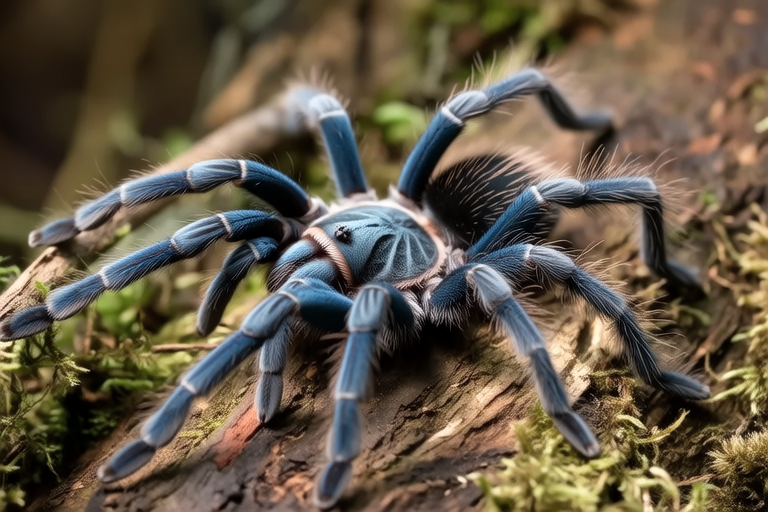
The Gooty Sapphire Tarantula is a stunning example of the diversity within the tarantula family. Native to the forests of Andhra Pradesh, India, this species is famous for its vibrant blue legs and metallic green carapace. Its striking appearance has made it highly sought after by collectors, but its rarity in the wild has led to conservation efforts to protect this species. The Gooty Sapphire Tarantula is part of the Poecilotheria genus, which includes some of the fastest and most aggressive tarantulas. However, despite its reputation, the Gooty Sapphire Tarantula is relatively calm when kept in captivity, making it a popular choice for those who want a visually stunning pet without too much risk.
The Cobalt Blue Tarantula (Hapalopus sp.)
The Cobalt Blue Tarantula is another species that stands out due to its unique coloration. While its name suggests a bright blue color, the actual shade is more of a deep indigo or cobalt. This tarantula is native to Australia and is known for its long, slender legs and relatively small size compared to other tarantulas. Unlike many other tarantulas, the Cobalt Blue Tarantula is arboreal, meaning it spends most of its time in trees. This behavior sets it apart from ground-dwelling species like the Mexican Redknee or the Chilean Rose. Its preference for high places makes it a challenge to spot in the wild, contributing to its mystique among arachnid enthusiasts.
The Pinkfooted Tarantula (Avicularia avicularia)
The Pinkfooted Tarantula, also known as the Guyana Pinktoe, is a beautiful species that is native to the rainforests of South America. This tarantula is known for its long, pink legs, which contrast sharply with its dark body. Like the Cobalt Blue Tarantula, the Pinkfooted Tarantula is arboreal, spending much of its time in trees. However, unlike the Cobalt Blue Tarantula, the Pinkfooted Tarantula is not particularly aggressive and can be handled safely by experienced keepers. This makes it a popular choice for those who want a visually appealing pet that is relatively easy to care for. Additionally, its ability to climb and its gentle demeanor make it a favorite among those who enjoy watching their tarantulas interact with their environment.
The Ornamental Tarantula (Poecilotheria ornata)
The Ornamental Tarantula is another member of the Poecilotheria genus, known for its striking appearance and aggressive behavior. Native to Sri Lanka, this species is prized for its intricate patterns and bright colors, which include shades of red, orange, and yellow. The Ornamental Tarantula is a fast-moving species that is capable of defending itself with venomous bites if threatened. However, its beauty and rarity make it a sought-after species among collectors. It is important to note that this species requires specialized care, including a humid environment and plenty of space, making it less suitable for beginners. Nonetheless, its unique characteristics make it a worthwhile pursuit for experienced arachnid enthusiasts.
The Greenbottle Blue Tarantula (Chromatopelma cyaneopubescens)
The Greenbottle Blue Tarantula is a species that is native to Venezuela and Colombia. This tarantula is known for its bright blue legs and metallic green carapace, which give it a striking appearance. Like the Gooty Sapphire Tarantula, the Greenbottle Blue Tarantula is part of the Poecilotheria genus, which includes some of the fastest and most aggressive tarantulas. However, the Greenbottle Blue Tarantula is relatively calm when kept in captivity, making it a popular choice for those who want a visually stunning pet without too much risk. Its vibrant colors and relatively manageable temperament make it a favorite among arachnid enthusiasts.
Conclusion: Why Discovering Lesser-Known Tarantula Species is Worth It
While the Mexican Redknee and Chilean Rose tarantulas may be more familiar to many people, the lesser-known species discussed in this article offer a glimpse into the incredible diversity of the tarantula family. Each of these species has its own unique characteristics, from their vibrant colors to their unusual behaviors, that make them worthy of attention. Whether you’re drawn to the massive size of the Peruvian Pink Tarantula or the striking appearance of the Gooty Sapphire Tarantula, there is something for everyone among these lesser-known species. For arachnid enthusiasts, discovering these unique tarantulas can provide new challenges and opportunities for learning, making the hobby even more rewarding. By exploring these lesser-known species, we can gain a deeper appreciation for the diversity of life on our planet and the importance of conserving these amazing creatures.
