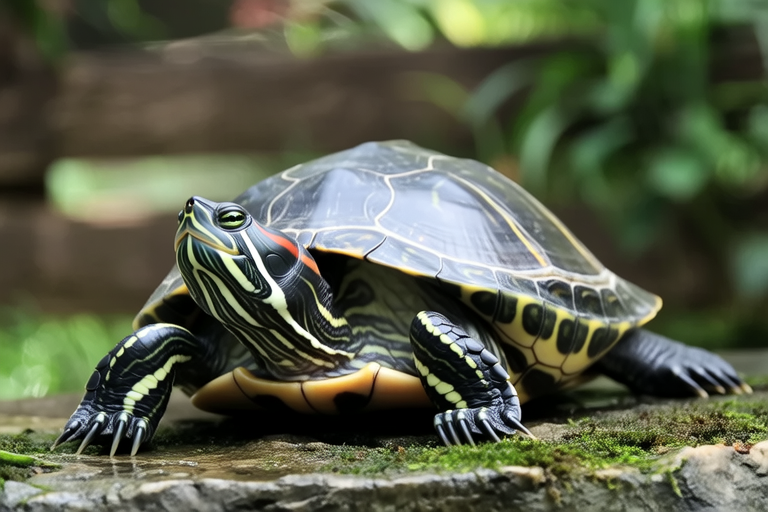
Comprehensive Care Guide for Three-Striped Box Turtles
The three-striped box turtle (Trachemys scripta triseriata) is a fascinating and popular pet among reptile enthusiasts. This care guide will provide you with essential information on setting up their habitat, dietary needs, health concerns, breeding habits, and interactive behaviors. By following these guidelines, you can ensure your three-striped box turtle thrives in its new home.
Habitat Setup
Creating an appropriate habitat is crucial for the well-being of your three-striped box turtle. The enclosure should mimic their natural environment as closely as possible. Here’s what you need:
- Terrarium Size: Provide at least 4 square feet of space per turtle. A larger area is better if you have multiple turtles.
- Substrate: Use a substrate that allows digging and burrowing. Options include coconut fiber, cypress mulch, or a mixture of sand and soil.
- Temperature: Maintain a basking spot of around 90°F (32°C) and an ambient temperature of 75-85°F (24-29°C). Use a heat lamp and UVB light to achieve this.
- Humidity: Keep humidity levels between 60-80%. Mist the enclosure daily or use a humidifier to maintain proper moisture.
- Hiding Spots: Offer plenty of hiding spots such as logs, rocks, or artificial caves to reduce stress and provide security.
- Basking Area: Create a designated basking area with a flat rock or large piece of driftwood.
- Water Area: Include a shallow water dish for soaking and drinking. Ensure it’s large enough for the turtle to swim comfortably.
Dietary Needs
A balanced diet is key to keeping your three-striped box turtle healthy. Their diet should consist of both animal-based and plant-based foods:
- Protein Sources: Feed your turtle insects like crickets, mealworms, earthworms, and small fish. Avoid feeding too many feeder fish as they may contain parasites.
- Vegetables and Fruits: Offer leafy greens (kale, collard greens), carrots, squash, berries, and melons. Ensure variety to prevent nutritional deficiencies.
- Canned Turtle Food: Supplement their diet with commercial turtle food formulated for aquatic turtles. Follow the manufacturer’s instructions for portion control.
- Calcium Supplementation: Dust insects with calcium powder twice weekly to support bone development.
- Feeding Frequency: Feed juveniles daily and adults every other day. Remove uneaten food promptly to prevent contamination.
Health Concerns
Regular monitoring and prompt treatment are vital for maintaining your turtle’s health. Common issues include shell rot, respiratory infections, and metabolic bone disease:
- Shell Rot: Keep the shell clean and dry. If you notice soft spots or discoloration, consult a veterinarian.
- Respiratory Infections: Look out for nasal discharge, swollen eyes, or labored breathing. Maintain proper humidity and temperature levels.
- Metabolic Bone Disease: Ensure adequate calcium intake and exposure to UVB light. Signs include weak limbs, lethargy, and difficulty moving.
- Parasites: Regularly check for external parasites like ticks or mites. Consult a vet if you suspect internal parasites.
- Veterinary Checkups: Schedule annual checkups with a reptile-savvy veterinarian to catch potential problems early.
Breeding Habits
Three-striped box turtles reach sexual maturity between 5-10 years old. Breeding usually occurs during spring and summer. Males often display courtship behavior by nipping at females’ shells or flicking their tongues. Females typically lay 2-8 eggs in a nest they dig in sandy soil. Incubation lasts approximately 70-90 days at 82-86°F (28-30°C).
Interactive Behaviors
Three-striped box turtles are generally calm and docile but can become stressed easily. They enjoy exploring their surroundings and may exhibit curiosity towards objects or people. Handling should be minimal and gentle to avoid causing undue stress:
- Handling Tips: Always wash your hands before and after handling your turtle. Support its body fully and avoid lifting it by its legs or tail.
- Signs of Stress: Watch for signs such as hiding, regurgitation, or decreased appetite. Reduce handling frequency if these behaviors persist.
- Environmental Enrichment: Provide toys, floating objects, and varying terrain to stimulate their senses and encourage natural behaviors.
Signs of a Healthy Turtle
A healthy three-striped box turtle exhibits several positive traits:
- Clear eyes and nostrils
- Smooth, hard shell without cracks or soft spots
- Active and alert demeanor
- Normal eating habits
- Good weight and muscle tone
Maintaining the Living Environment
To ensure your turtle’s optimal well-being, regularly maintain its living environment:
- Cleanliness: Clean the enclosure weekly, replacing substrate and disinfecting surfaces. Use reptile-safe cleaning products.
- Water Quality: Change water daily and treat with dechlorinator to remove harmful chemicals. Monitor water quality with a test kit.
- Lighting: Replace UVB bulbs every six months or according to the manufacturer’s instructions. Clean filters and fixtures regularly.
- Temperature Monitoring: Use thermometers to monitor temperature gradients. Adjust heating elements as needed to maintain consistent warmth.
- Humidity Levels: Check humidity levels daily. Increase misting frequency or add a humidifier if necessary.
Conclusion
By providing a suitable habitat, nutritious diet, and attentive care, you can help your three-striped box turtle live a long and healthy life. Remember that each turtle has unique needs, so observe your pet closely and adapt its care regimen accordingly. With proper attention and love, your three-striped box turtle will thrive in its new home.
