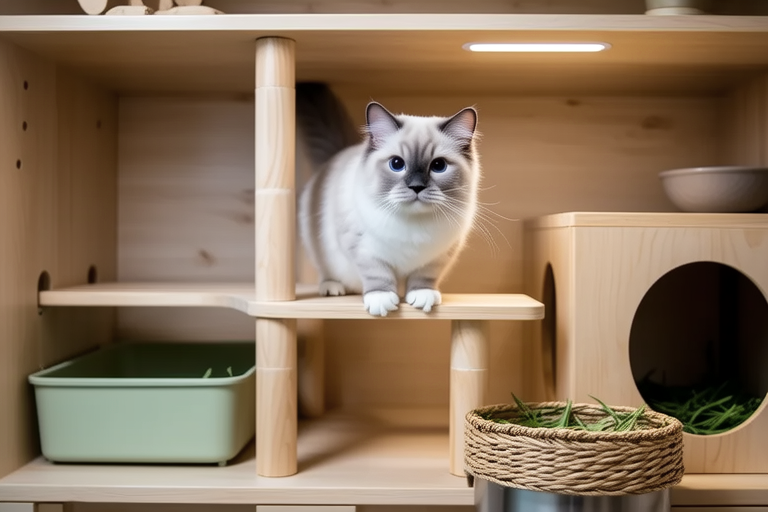
How to Create the Perfect Habitat for Your New Chinchilla Friend
Welcome to the wonderful world of chinchillas! These adorable creatures require specific care and attention to ensure they thrive in their new home. Creating the perfect habitat for your chinchilla involves understanding their needs and providing an environment that supports their physical and mental well-being. This guide will walk you through the essentials of setting up a suitable habitat, including cage selection, bedding, temperature control, diet, toys, and more.
Ideal Cage Size and Type
The first step in creating a perfect habitat for your chinchilla is choosing the right cage. Chinchillas are active animals that need plenty of space to move around. The minimum recommended cage size for one chinchilla is approximately 30 inches wide, 24 inches deep, and 24 inches high. However, larger cages are preferable as they allow for more movement and exercise. A taller cage is especially beneficial since chinchillas love to jump.
When selecting a cage, opt for one with solid flooring rather than wire-bottomed cages, which can cause foot injuries. Ensure there are multiple levels and platforms within the cage to encourage climbing and jumping. The bars should be spaced no more than 1 inch apart to prevent escape and injury. Stainless steel or powder-coated metal cages are ideal because they are durable and easy to clean.
Importance of Bedding Material
The choice of bedding material is crucial for your chinchilla’s health and comfort. Avoid pine and cedar shavings, as these can cause respiratory issues due to their strong aromatic oils. Instead, use dust-free paper-based bedding, recycled paper products, or aspen shavings. These materials are safer for your chinchilla and help maintain a clean environment.
Chinchillas also enjoy dust baths, which are essential for grooming and keeping their fur healthy. Provide a shallow container filled with special chinchilla dust, available at pet stores, once or twice a week. Make sure the dust bath is easily accessible but not left in the cage continuously to avoid soiling the bedding.
Proper Temperature and Humidity Levels
Maintaining the correct temperature and humidity levels is vital for your chinchilla’s health. Chinchillas originate from the Andes Mountains and prefer cooler temperatures between 60°F and 70°F (15°C to 21°C). They are sensitive to heat and can suffer from heatstroke if temperatures exceed 80°F (27°C). Ensure your chinchilla’s living area is well-ventilated and avoid placing the cage near direct sunlight or heat sources.
Humidity levels should be kept low, ideally below 40%. High humidity can lead to skin problems and respiratory issues. Using a dehumidifier during humid months may be necessary to keep the air dry. Additionally, provide fresh water daily and consider using a water bottle with a sipper tube attached to the cage to prevent spillage.
Necessary Toys and Accessories for Mental Stimulation
To keep your chinchilla mentally stimulated and entertained, provide a variety of toys and accessories. Chew toys made from untreated wood or cardboard are great for gnawing, which helps wear down their ever-growing teeth. Tunnel systems and platforms encourage exploration and climbing. Balls designed specifically for small animals offer another form of enrichment.
Incorporate hiding spots such as wooden boxes or tunnels to mimic natural burrows. Rotate toys periodically to prevent boredom and keep your chinchilla engaged. Providing a variety of textures and activities ensures your chinchilla remains happy and healthy.
Safe and Nutritious Diet
A balanced diet is essential for your chinchilla’s overall health. Their primary food should be high-quality chinchilla pellets formulated specifically for their nutritional needs. These pellets provide the necessary vitamins and minerals while being low in sugar and fat. Supplement their diet with occasional treats like Timothy hay cubes or small pieces of fresh fruits and vegetables.
Always introduce new foods gradually to monitor for any adverse reactions. Fresh water should be available at all times, and it’s best to use a water bottle to prevent contamination. Avoid feeding sugary or starchy foods, as they can lead to obesity and dental problems.
Regular Cleaning Schedule
Maintaining cleanliness is crucial for your chinchilla’s health. Clean the cage thoroughly every week, removing old bedding and replacing it with fresh material. Wipe down the cage walls and surfaces with a mild, pet-safe disinfectant. Check for any signs of wear or damage on the cage and replace worn-out parts promptly.
Spot-clean the cage daily by removing soiled bedding and replacing it with fresh bedding. Regular cleaning prevents the buildup of bacteria and odors, contributing to a healthier living environment for your chinchilla.
Tips for Maintaining a Healthy Environment
To ensure your chinchilla remains comfortable and safe, follow these additional tips:
- Provide a quiet space: Chinchillas are easily stressed by loud noises and sudden movements. Place the cage in a quiet area away from household activity.
- Handle gently: When handling your chinchilla, support its body fully and avoid squeezing or lifting by the tail.
- Monitor health: Regularly check your chinchilla for signs of illness, such as lethargy, loss of appetite, or discharge from the eyes or nose. Consult a veterinarian if you notice any concerning symptoms.
- Social interaction: While chinchillas are generally solitary animals, they still benefit from gentle social interaction. Spend time with your chinchilla each day, allowing them to get used to your presence.
Avoiding Common Mistakes
Common pitfalls to avoid when caring for your chinchilla include:
- Overheating: Ensure the living area remains cool, especially during warmer months.
- Poor ventilation: Poor air circulation can lead to respiratory issues. Ensure the cage has adequate ventilation.
- Improper diet: Feeding inappropriate foods can lead to health problems. Stick to a balanced diet of pellets, hay, and occasional treats.
- Lack of mental stimulation: Boredom can result in behavioral issues. Provide plenty of toys and activities to keep your chinchilla engaged.
By following these guidelines and avoiding common mistakes, you’ll create a thriving habitat for your new chinchilla friend. Remember, a happy chinchilla is a healthy chinchilla!
