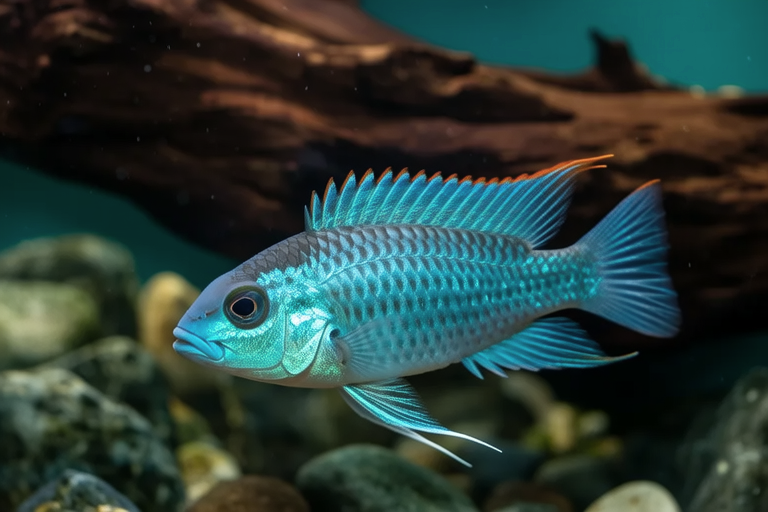
Beyond the Basics: Advanced Care Techniques for Expert Rajah Cichlid Owners
Welcome to this comprehensive guide designed specifically for seasoned aquarists looking to elevate their Rajah cichlid care practices. This article delves into advanced techniques that go beyond the basics, offering expert-level insights to ensure the health, longevity, and happiness of your Rajah cichlids.
Optimal Tank Setup
Creating an ideal environment for Rajah cichlids requires careful consideration of tank size, decorations, and filtration systems. A minimum tank size of 75 gallons is recommended for a single adult Rajah cichlid, with additional space required for each additional fish. The tank should feature robust filtration capable of handling large volumes of water efficiently. Incorporating multiple layers of substrate, such as fine gravel or sand, provides essential hiding spots and helps maintain water quality.
Decorations play a crucial role in mimicking natural habitats. Rocks and driftwood should be arranged to create caves and crevices, offering territorial boundaries and spawning sites. Live plants, especially those tolerant of alkaline conditions, enhance the aesthetic appeal and provide natural cover. Ensure that any decor is securely anchored to prevent disturbances during aggressive behaviors.
Water Parameters
Maintaining stable water parameters is paramount for the health of Rajah cichlids. Aim for a pH range between 7.5 and 8.5, with a hardness level of 10-20 dGH. Regular testing using reliable test kits is essential, ensuring consistent readings. Water changes of 20-30% weekly help control nitrate levels, maintaining a clean and healthy aquatic environment. Consider using a reverse osmosis (RO) system to achieve precise water quality, particularly if local tap water contains high concentrations of minerals or chemicals.
Temperature stability is equally important, with a range of 76-82°F being optimal. Utilizing heaters with built-in thermostats ensures consistent warmth throughout the tank. Monitoring temperature fluctuations closely can prevent stress-induced illnesses and behavioral issues.
Diet Specifics
Rajah cichlids thrive on a balanced diet rich in proteins and nutrients. A varied diet including high-quality pellets, frozen or live foods like bloodworms, brine shrimp, and krill, promotes vibrant coloration and overall health. Supplementing with vegetables such as zucchini, spinach, and peas provides essential vitamins and minerals. Feeding should occur two to three times daily, with small portions to avoid overfeeding and water pollution.
Innovative feeding methods, such as using automatic feeders or sinking tablets, can be beneficial in maintaining regular feeding schedules without disrupting tank dynamics. Ensuring that all food reaches the bottom of the tank allows for natural scavenging behaviors, which can reduce aggression and promote social harmony.
Disease Prevention
Preventive measures form the cornerstone of disease management in Rajah cichlid tanks. Quarantine new additions for at least four weeks before introducing them to the main tank, observing for any signs of illness. Implementing a prophylactic treatment regimen using mild medications can bolster the immune systems of newly introduced fish. Regularly cleaning equipment and maintaining impeccable tank hygiene further reduces the risk of infection.
Early detection of diseases is critical. Monitoring fish behavior and appearance daily allows for swift intervention if symptoms arise. Common ailments include ich, fin rot, and bacterial infections. Prompt action with targeted treatments specific to identified pathogens ensures rapid recovery and minimizes the spread to other inhabitants.
Breeding Tips
Breeding Rajah cichlids can be both rewarding and challenging. Establishing a breeding pair often involves selecting compatible individuals based on size and temperament. Providing ample spawning sites, such as flat rocks or spawning cones, encourages successful mating. Conditioning the pair through enriched diets and increased water changes stimulates reproductive readiness.
Once eggs are laid, maintaining optimal water conditions and temperature is vital for successful hatching. Post-hatching, carefully monitor fry development, gradually introducing finely ground flake foods and infusoria. Separating parents from offspring after a few days prevents cannibalism, ensuring the survival of the young. Breeding groups can also be established to increase genetic diversity and promote healthier future generations.
Behavioral Understanding
Gaining insight into Rajah cichlid behavior enhances their care and interaction. These fish are known for their territorial nature, often displaying aggressive tendencies towards conspecifics. Understanding these behaviors allows for strategic tank setups that minimize conflict. Recognizing signs of stress, such as erratic swimming or loss of color, prompts immediate action to rectify underlying issues.
Establishing a routine interaction pattern with Rajah cichlids fosters trust and reduces stress. Gentle handling during water changes or tank maintenance demonstrates respect for their space, encouraging more relaxed interactions. Observing their natural behaviors provides valuable cues about their physical and emotional well-being, enabling proactive care.
Conclusion
Advanced care techniques for Rajah cichlids encompass a holistic approach, addressing environmental, dietary, and behavioral aspects. By implementing these expert-level strategies, experienced aquarists can significantly enhance the health and longevity of their Rajah cichlids. Embracing innovation and continuous learning ensures the best possible outcomes for these captivating fish.
