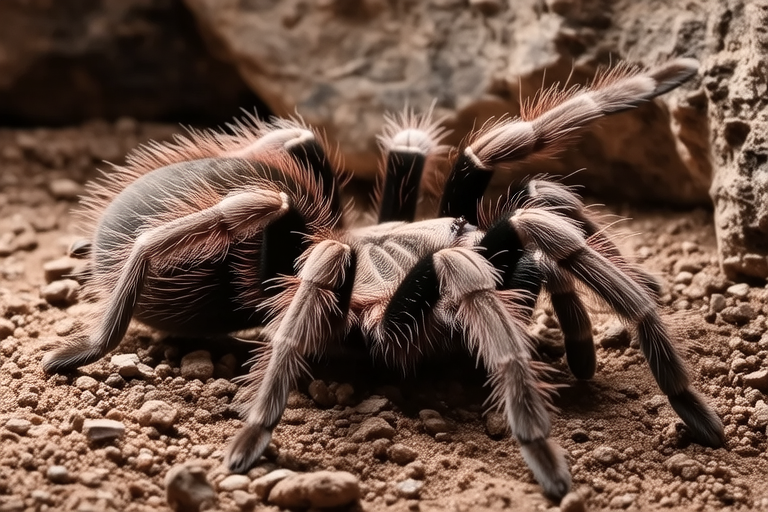
Why You Should Consider a Chilean Rose Tarantula as Your Next Pet Companion
The Chilean Rose Tarantula, also known as Grammostola rosea, is one of the most popular tarantulas among hobbyists and first-time arachnid owners. This spider’s docile nature, combined with its relatively low maintenance care requirements, makes it an ideal choice for those looking to add an exotic touch to their home. In this article, we will explore why you should consider a Chilean Rose Tarantula as your next pet companion, detailing its temperament, care requirements, enclosure setup, diet, and unique characteristics.
Temperament: A Gentle Giant
One of the primary reasons why the Chilean Rose Tarantula is such a popular choice for pet owners is its generally calm and docile temperament. Unlike some other tarantula species, the Chilean Rose Tarantula is less likely to react aggressively when handled or disturbed. They rarely bite, and if they do, their venom is mild and comparable to a bee sting. Their defensive behavior typically consists of flicking urticating hairs from their abdomen, which can cause irritation but is not harmful. This gentle demeanor makes them an excellent choice for beginners and experienced tarantula owners alike.
Care Requirements: Simple Yet Essential
While tarantulas might seem intimidating to some, caring for a Chilean Rose Tarantula is surprisingly straightforward. These spiders require minimal attention, making them perfect for busy individuals or those who prefer pets that don’t demand constant interaction. However, proper care still involves several key factors:
- Temperature: Maintain a temperature range between 75°F and 85°F (24°C to 29°C). A heat lamp or under-tank heater can help achieve this.
- Humidity: Keep the humidity level at around 60%. A water dish can assist in maintaining moisture, but avoid over-saturating the substrate.
- Feeding: Feed your tarantula once every 7 to 14 days. Suitable prey includes crickets, mealworms, and occasionally small mice.
Enclosure Setup: Creating the Perfect Habitat
Setting up the right environment for your Chilean Rose Tarantula is crucial for its health and well-being. The enclosure should be spacious enough for the spider to move around comfortably but not so large that it feels exposed. Here’s how to create an optimal habitat:
- Size: A 10-gallon tank is sufficient for an adult tarantula. Smaller enclosures are acceptable for juveniles.
- Substrate: Use a bedding material like coconut fiber or bark chips to allow burrowing and maintain humidity.
- Hiding Spots: Provide plenty of hiding places, such as cork bark or artificial plants, to mimic the natural environment and reduce stress.
- Ventilation: Ensure the enclosure has adequate ventilation without causing drafts.
Diet: What to Feed Your Tarantula
Chilean Rose Tarantulas are carnivorous and thrive on a diet of live insects. Crickets are the most commonly fed prey item, but you can also offer mealworms and dubia roaches. It’s essential to gut-load the feeder insects with nutritious food before offering them to your tarantula. This ensures your pet receives all the necessary nutrients. Additionally, dusting the feeder insects with calcium powder helps prevent nutritional deficiencies.
Unique Characteristics: What Makes Them Special
Aside from their gentle nature and ease of care, Chilean Rose Tarantulas possess several unique characteristics that make them fascinating pets:
- Coloration: Their name derives from the pinkish hue on their legs and abdomen, which can range from light to dark depending on the individual.
- Burrowing: These tarantulas are skilled diggers and will often create deep burrows in their substrate, providing a sense of security.
- Lifespan: With proper care, a Chilean Rose Tarantula can live up to 15 years, offering a long-term commitment and companionship.
Benefits of Owning a Chilean Rose Tarantula
Owning a Chilean Rose Tarantula comes with numerous benefits, including:
- Educational Value: Caring for a tarantula provides an opportunity to learn about arachnids and their unique behaviors.
- Low Maintenance: Compared to other pets, tarantulas require less time and effort, making them ideal for those with busy lifestyles.
- Stress Relief: Observing the serene movements of a tarantula can be therapeutic and calming.
Addressing Common Misconceptions
Many people hesitate to adopt a tarantula due to misconceptions about these creatures. Let’s debunk some of the most common myths:
- Misconception: Tarantulas are dangerous. Reality: While all tarantulas have venom, the Chilean Rose Tarantula’s venom is mild and poses no significant threat to humans.
- Misconception: Tarantulas are dirty and smelly. Reality: Proper hygiene practices ensure that your tarantula remains clean and odor-free.
- Misconception: Tarantulas require constant attention. Reality: Tarantulas are solitary creatures that enjoy solitude, requiring minimal interaction from their owners.
The Rewarding Aspects of Caring for a Chilean Rose Tarantula
Despite the initial reservations some may have, owning a Chilean Rose Tarantula can be incredibly rewarding. Watching your pet grow and thrive in its environment brings a sense of accomplishment. Moreover, the unique bond formed with your tarantula can be deeply satisfying. By providing the right care and environment, you can ensure your pet lives a long and healthy life, offering you years of enjoyment and companionship.
In conclusion, the Chilean Rose Tarantula is an exceptional choice for those interested in keeping an exotic pet. Its gentle temperament, simple care requirements, and unique characteristics make it an ideal companion for both beginners and seasoned arachnid enthusiasts. By dispelling common misconceptions and highlighting the benefits of ownership, we hope to encourage more people to consider this remarkable creature as their next pet companion.
