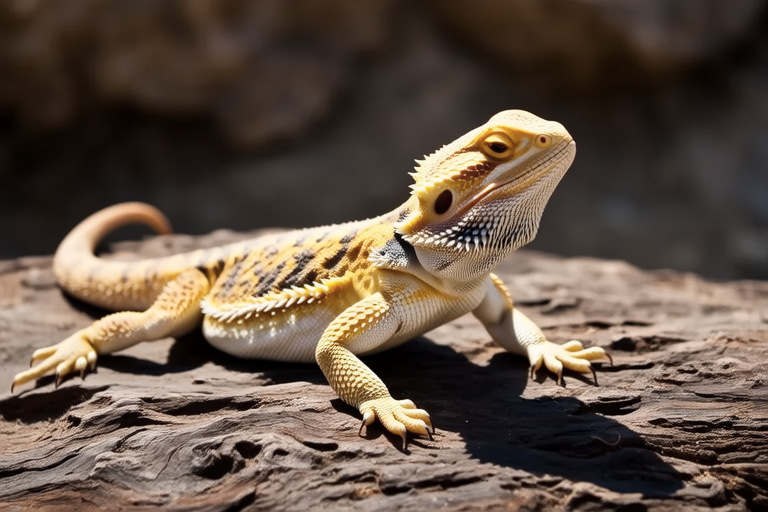
Bearded Dragon Behavior Explained: What Those Movements Really Mean
Welcome to the fascinating world of bearded dragons! These charismatic reptiles have become increasingly popular as pets due to their docile nature, relatively low maintenance requirements, and their intriguing behaviors. Originating from the deserts of Australia, bearded dragons (Pogona vitticeps) have adapted to thrive in environments characterized by high temperatures and sparse vegetation. As pet owners, understanding your bearded dragon’s behavior can significantly enhance your ability to provide optimal care and ensure their well-being.
The Popularity of Bearded Dragons as Pets
Bearded dragons are beloved by many because of their gentle demeanor and striking appearance. Their unique physical features, such as the spiny ‘beard’ located under their chin, contribute to their charm. Additionally, they are known for their vibrant colors and varied body postures, which serve as effective means of communication. These behaviors not only make them captivating to watch but also provide valuable insights into their emotional state, health, and environmental preferences.
Understanding Bearded Dragon Behaviors
Head Bobbing
One of the most recognizable behaviors exhibited by bearded dragons is head bobbing. This action involves the rapid up-and-down movement of the head, often accompanied by the extension of the beard. Head bobbing serves multiple purposes depending on the context:
- Display of Dominance: In the wild, male bearded dragons engage in head bobbing to assert dominance over other males. This behavior helps establish a hierarchy within a group and discourages potential rivals.
- Attracting Mates: During breeding season, males may perform exaggerated head bobs to attract females. This display showcases their strength and fitness, increasing their chances of mating.
- Communication: Sometimes, head bobbing is used as a form of communication between dragons. It can signal aggression, excitement, or even curiosity.
New owners should observe their bearded dragon’s head bobbing behavior carefully. If it occurs frequently or seems unusually aggressive, it could indicate stress or discomfort. Ensuring that your dragon has adequate space and appropriate environmental conditions is crucial for reducing stress-related behaviors.
Arm Waving
Another interesting behavior is arm waving, where the bearded dragon extends one of its front legs outward and then slowly waves it back towards its body. This action is primarily observed in younger dragons and is thought to serve several functions:
- Submission: Arm waving is often seen as a sign of submission, particularly when a smaller or younger dragon encounters a larger or older one. It can help prevent conflict and promote peaceful coexistence.
- Curiosity: Sometimes, dragons wave their arms out of sheer curiosity. They might be exploring their surroundings or reacting to novel stimuli.
- Social Interaction: In some cases, arm waving can be a way for dragons to initiate social interaction, especially when housed with compatible companions.
For new owners, recognizing arm waving as a sign of submission or curiosity can be reassuring. However, if your dragon is continuously waving its arms without apparent reason, it might be experiencing discomfort or stress. Providing a stimulating environment and ensuring proper lighting, temperature, and humidity levels can help alleviate these issues.
Puffing Out Their Beards
Bearded dragons are named for their distinctive beard, which they can puff out when threatened or excited. Puffing out the beard is an impressive display of intimidation:
- Threat Display: When feeling threatened, a bearded dragon will puff out its beard and darken its coloration. This dramatic change aims to deter predators or perceived threats.
- Excitement: Occasionally, dragons may puff out their beards simply because they are excited. This behavior can occur during feeding times or when interacting with their owner.
As a responsible owner, you should pay attention to your dragon’s beard puffing behavior. If it happens infrequently and is not accompanied by other signs of distress, it’s likely a natural response. However, if your dragon puffs out its beard excessively or appears stressed, consider reviewing its habitat setup and addressing any potential sources of anxiety.
Changing Colors
One of the most visually striking aspects of bearded dragons is their ability to change color. These color shifts can vary from subtle nuances to dramatic transformations and are linked to several factors:
- Temperature Regulation: Bearded dragons change color to regulate their body temperature. Darker colors absorb more heat, while lighter colors reflect sunlight. By adjusting their color, they can optimize their thermoregulation.
- Mood Changes: Color changes can also reflect mood swings. A stressed or anxious dragon might appear darker, while a relaxed dragon may exhibit brighter hues.
- Communication: Just like other behaviors, color changes can serve as a form of communication. For example, darkening can signal aggression or submission, while brightening might indicate happiness or excitement.
Observing your bearded dragon’s color changes can provide valuable insights into its comfort level and overall health. If you notice significant and prolonged color shifts, especially towards darker tones, it could indicate stress or illness. Maintaining a stable and comfortable environment, including appropriate heating and lighting, is essential for minimizing stress-induced color changes.
Tips for New Owners
Interpreting your bearded dragon’s behaviors accurately requires patience and observation. Here are some tips to help you better understand and care for your pet:
- Regular Observation: Spend time watching your bearded dragon in its habitat. Pay attention to its movements, posture, and interactions. Over time, you’ll develop a better sense of what different behaviors mean.
- Environmental Setup: Ensure that your dragon’s enclosure mimics its natural habitat. Provide ample space, appropriate substrate, and a range of temperatures for thermoregulation. Proper lighting, especially UVB lighting, is crucial for maintaining your dragon’s health.
- Feeding Habits: Bearded dragons are omnivores, so offer a balanced diet consisting of insects, vegetables, and fruits. Monitor their feeding behavior to ensure they are eating adequately and show no signs of illness.
- Handling Techniques: Handle your bearded dragon gently and regularly to build trust. Avoid sudden movements or loud noises that could startle your pet.
By following these tips, you can create a nurturing environment that encourages healthy behaviors and minimizes stress. Regularly check your dragon’s enclosure for cleanliness and make adjustments as needed to ensure its well-being.
When to Consult a Veterinarian
While many bearded dragon behaviors are normal and part of their natural repertoire, certain signs warrant immediate attention from a veterinarian:
- Unusual Physical Symptoms: Look out for symptoms such as weight loss, lethargy, swollen limbs, or discharge from the eyes, nose, or mouth. These could indicate underlying health issues requiring professional care.
- Behavioral Changes: Sudden or persistent changes in behavior, such as excessive hiding, lack of appetite, or abnormal aggression, might signal distress or illness.
- Injury or Trauma: Any visible injuries, such as cuts, bruises, or broken bones, should be evaluated by a veterinarian to prevent complications.
If you’re unsure about your bearded dragon’s health or behavior, don’t hesitate to seek professional advice. Early intervention can make all the difference in treating and managing potential health problems.
Understanding and interpreting your bearded dragon’s behaviors is key to providing excellent care. By familiarizing yourself with their natural habits and responding appropriately, you can ensure that your pet remains happy, healthy, and thriving. Happy dragon watching!
