Adopting a Silver British Shorthair: What You Need to Know Before Saying Yes
The British Shorthair, with its distinctive silver coat, has long been a favorite among cat enthusiasts. This breed’s unique charm lies in its robust build, round face, and plush, short fur that comes in a variety of colors, but none as striking as silver. Known for their calm demeanor and affectionate nature, these cats have earned a reputation as excellent companions. If you’re considering adopting a silver British Shorthair, it’s important to understand their physical traits, temperament, health concerns, and the responsibilities that come with pet ownership. This guide will walk you through everything you need to know before welcoming one into your home.
Introduction: The Popularity and Unique Characteristics of Silver British Shorthairs
The silver British Shorthair is not just a pretty face; it’s a breed rich in history and character. Originating from Britain, these cats have been cherished for centuries. Their striking silver coat, often referred to as ‘chinchilla,’ is one of the most recognizable features. This coat is dense and plush, reflecting light beautifully, which adds to their allure. In addition to their appearance, silver British Shorthairs are known for their gentle and laid-back personalities. They are perfect for families looking for a companion who is both playful and serene.
Physical Traits
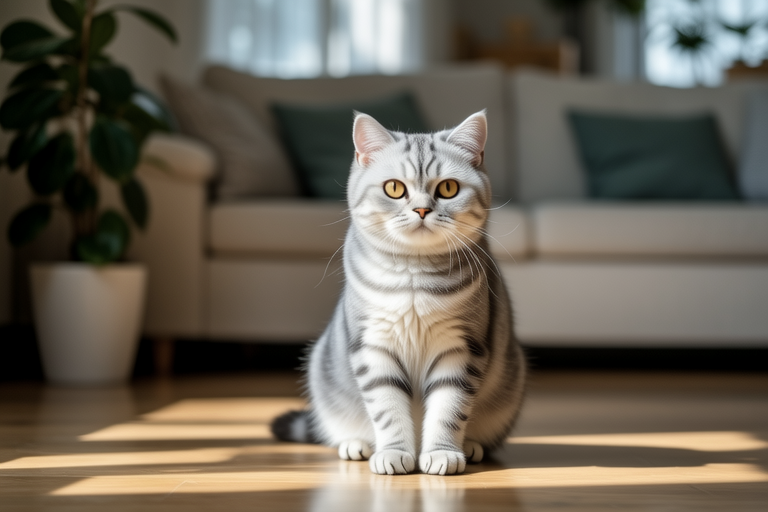
Silver British Shorthairs are medium to large-sized cats with a muscular build. They have a broad chest and strong legs, giving them a sturdy appearance. Their head is rounded with wide-set eyes that typically range from gold to copper in color, complementing their silver fur. Their ears are medium-sized and set wide apart, adding to their overall regal look. The most distinguishing feature of this breed is undoubtedly their plush, short coat. It requires minimal grooming but still benefits from regular brushing to prevent matting.
Temperament
Beyond their striking looks, silver British Shorthairs are known for their friendly and easygoing nature. They are not overly active, making them ideal for apartment living or households with young children. These cats are generally patient and tolerant, adapting well to various environments. While they enjoy playtime, they are equally content lounging around the house. Their calm demeanor makes them great companions for those seeking a quiet, loving presence.
Common Health Issues
Like all breeds, silver British Shorthairs can be prone to certain health issues. One of the most common is Polycystic Kidney Disease (PKD), a hereditary condition affecting kidney function. Regular veterinary check-ups can help monitor and manage this condition. Additionally, these cats may be susceptible to obesity due to their sedentary lifestyle. Maintaining a healthy diet and ensuring regular exercise are crucial in preventing weight-related health problems.
Grooming and Dietary Needs
Despite their luxurious coats, silver British Shorthairs require minimal grooming. A weekly brushing session is usually sufficient to keep their fur smooth and free of tangles. During shedding seasons, however, more frequent brushing may be necessary. It’s also important to maintain good dental hygiene by brushing their teeth regularly and providing chew toys to help reduce tartar buildup.
Dietary needs for silver British Shorthairs are similar to other cats, but there are some specific considerations. High-quality, protein-rich cat food is essential to support their muscle development and overall health. Avoid foods high in fillers and artificial preservatives. Fresh water should always be available to keep them hydrated. Consult with your veterinarian to determine the best diet plan for your cat based on age, activity level, and any existing health conditions.
Socialization and Training
Socializing your silver British Shorthair early on is crucial for their emotional well-being. Expose them to different environments, people, and other animals to ensure they grow up confident and adaptable. Training can be surprisingly effective with this breed. Positive reinforcement techniques, such as treats and praise, work well. Teaching basic commands like ‘come’ and ‘stay’ can enhance communication between you and your cat, fostering a stronger bond.
Potential Costs Involved in Adoption and Maintenance
Adopting a silver British Shorthair involves several financial considerations. Adoption fees at shelters vary but typically range from $50 to $300. If you choose to purchase from a breeder, expect to pay significantly more, often exceeding $1,000. Beyond the initial cost, there are ongoing expenses to consider. Veterinary care, including routine check-ups, vaccinations, and spaying/neutering, can add up. Pet insurance might be worth considering to cover unexpected medical bills.
Other costs include food, litter, toys, and grooming supplies. Budgeting for these expenses ensures you can provide a comfortable and healthy life for your new feline friend. Remember, while these costs can seem daunting, the joy and companionship a silver British Shorthair brings are priceless.
Finding a Reputable Shelter or Breeder
Choosing a reputable source for your silver British Shorthair is paramount. Shelters offer the opportunity to rescue and provide a loving home to a cat in need. When visiting a shelter, take time to interact with the cats and observe their behavior. Staff members can provide valuable insights into each cat’s personality and needs.
If you opt for a breeder, research thoroughly to ensure they follow ethical practices. Look for breeders who prioritize the health and well-being of their cats, providing proper care and genetic testing. Visiting the breeding facility and meeting the parents can give you a better understanding of the cat’s background and potential traits.
The Commitment Required for Adopting a Pet
Adopting a silver British Shorthair is a significant commitment. Cats, like all pets, require time, attention, and resources. Be prepared to dedicate daily interactions, play sessions, and grooming routines. Patience and consistency are key when building a relationship with your new pet. Remember, adopting a pet is not just about having a companion but also about providing them with a safe, loving environment where they can thrive.
Conclusion
Adopting a silver British Shorthair is a decision that should be made thoughtfully. Understanding their physical traits, temperament, health concerns, and the responsibilities involved in pet ownership is crucial. By taking the time to learn about this magnificent breed, you can ensure you’re ready to provide a loving home for your new furry friend. With proper care and attention, your silver British Shorthair will bring years of joy and companionship to your family. Make sure you’re fully prepared before bringing a new pet into your life.
