The Secret Lives of Koi: Facts You Need to Know
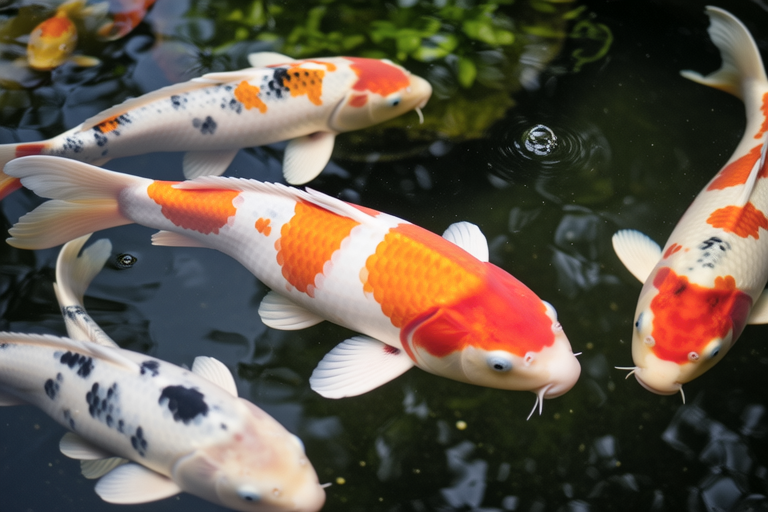
Koi fish, known for their vibrant colors and graceful movements, have captivated enthusiasts worldwide for centuries. These carp species are popular among hobbyists and professionals alike due to their beauty and the tranquility they bring to gardens and ponds. Originating from Japan, where they were selectively bred for ornamental purposes, koi have become a symbol of peace and prosperity. Their allure lies not only in their striking appearance but also in their fascinating behaviors and unique characteristics.
Unique Behaviors and Secret Habits
One of the most intriguing aspects of koi is their intelligence and memory. Contrary to popular belief, koi possess a level of cognitive ability that rivals that of many mammals. Studies have shown that these fish can remember complex tasks and recognize individual handlers after long periods. This intelligence manifests in various ways, such as learning to follow feeding routines or even pressing specific objects to receive food.
Koi also exhibit distinct social structures within their communities. They form hierarchies based on size and age, with larger, older koi often taking precedence over younger, smaller ones. These hierarchies influence feeding patterns and territorial behavior. Larger koi may assert dominance by chasing away smaller fish during feeding times or by establishing territories within the pond.
Communication among koi is another fascinating aspect of their lives. While they lack vocal cords, koi use body language and subtle movements to convey messages to one another. For example, flaring fins or rapid swimming can signal aggression or excitement. Additionally, koi can detect vibrations in the water, allowing them to sense the presence of other fish or potential threats.
Lifespan, Dietary Needs, and Communication
Koi are remarkably long-lived creatures, with some individuals living over 40 years under optimal conditions. Proper nutrition plays a crucial role in extending their lifespan. A balanced diet rich in proteins, fats, vitamins, and minerals is essential for maintaining their health and vitality. Commercial koi pellets are widely available and provide a comprehensive nutritional profile tailored to the specific needs of these fish.
Feeding koi is more than just providing sustenance; it’s an opportunity to interact with them. Observing their feeding habits can offer insights into their well-being and preferences. It’s important to avoid overfeeding, as excess food can pollute the pond and harm the environment. Instead, feed small portions several times a day, adjusting the quantity based on the number of fish and the size of the pond.
Communication between koi and their human caretakers is an integral part of their care. Koi quickly learn to associate specific sounds or actions with feeding times. Some hobbyists use whistles or clapping to signal mealtime, creating a bond between themselves and their aquatic companions. This interaction not only strengthens the relationship but also helps monitor the fish’s health and behavior.
Optimal Pond Conditions for Koi Health and Happiness
To ensure the health and happiness of koi, it’s vital to create an optimal pond environment. The ideal pond should be at least 18 inches deep to accommodate the fish comfortably and provide enough space for them to swim freely. Incorporating plants and rocks can enhance the aesthetic appeal of the pond while offering hiding spots and shelter for the fish.
Adequate filtration is crucial for maintaining clean water and preventing harmful bacteria from accumulating. Filtration systems should remove debris, organic waste, and excess nutrients that could lead to algae blooms. Regular maintenance, including cleaning filters and skimmers, ensures the system operates efficiently.
Water quality is paramount for koi health. Parameters such as pH, ammonia, nitrite, and nitrate levels should be monitored regularly. Maintaining stable pH levels between 7.0 and 8.5 ensures a hospitable environment for the fish. Ammonia and nitrite levels should remain undetectable, while nitrate levels below 50 ppm are recommended. Water temperature should ideally range between 68°F and 77°F (20°C to 25°C), although koi can tolerate temperatures outside this range if changes occur gradually.
Tips for Keeping Koi: Ethical Considerations and Environmental Impact
When keeping koi, it’s important to consider ethical practices that promote their well-being and minimize environmental impact. Avoid overcrowding the pond, as this can lead to stress and disease. Providing ample space allows each fish to thrive and reduces competition for resources.
Ethical considerations extend beyond the immediate care of the fish to encompass their overall welfare. Responsible breeding practices aim to maintain genetic diversity and prevent inbreeding, ensuring the health of future generations. Supporting reputable breeders who prioritize the well-being of their stock contributes to the sustainability of the hobby.
The environmental impact of keeping koi should not be overlooked. Proper pond management minimizes the release of pollutants into surrounding ecosystems. Implementing sustainable practices, such as using eco-friendly pond treatments and minimizing chemical usage, helps protect local wildlife and waterways.
Conclusion
The secret lives of koi reveal a world full of intelligence, social structure, and communication. Understanding these aspects enhances the experience of keeping koi and fosters a deeper connection with these remarkable creatures. By providing optimal pond conditions, adhering to ethical practices, and considering the environmental impact, hobbyists can ensure the health and happiness of their koi while contributing positively to the ecosystem. Whether you’re a novice or an experienced aquarist, delving into the world of koi offers endless opportunities for learning and enjoyment.
