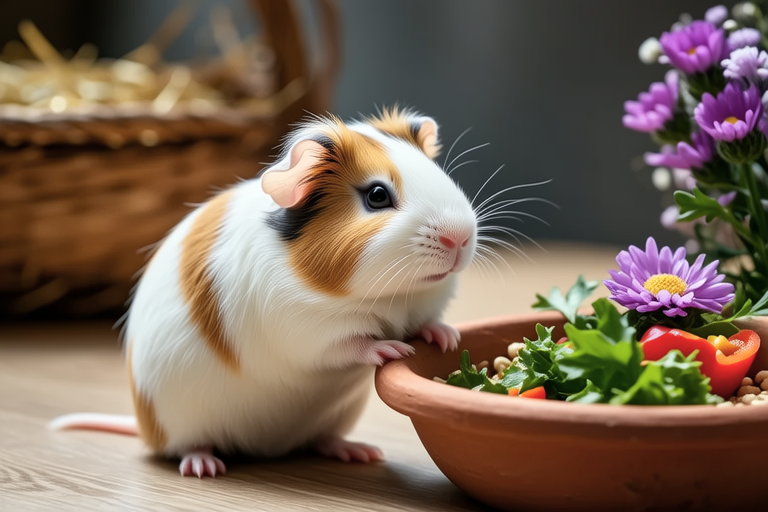
Everything You Need to Know Before Adopting a Guinea Pig
Welcome to your comprehensive guide on adopting a guinea pig! Whether you’re a seasoned pet owner or considering your first furry friend, this article will provide you with all the essential information you need to ensure a happy, healthy life for your new companion. From understanding their unique needs to setting up the perfect home environment, we’ve got you covered.
Understanding Guinea Pig Needs
Guinea pigs, also known as cavies, are social, gentle animals that thrive on interaction and care. They are not solitary creatures; they enjoy companionship from both humans and other guinea pigs. Understanding their social and physical needs is crucial before bringing one home.
Guinea pigs are crepuscular, meaning they are most active during dawn and dusk. They sleep in short bursts throughout the day and night, so expect them to be active at various times. Their diet consists mainly of hay, fresh vegetables, and pellets, which are vital for maintaining their digestive health.
Guinea pigs have a lifespan of around 4 to 8 years, making them a long-term commitment. They require regular handling and playtime to stay mentally stimulated and emotionally attached to their human caregivers.
Suitable Housing
Choosing the right living space for your guinea pig is paramount. A spacious cage with ample room for movement is essential. The cage should be large enough for your guinea pig to stretch out fully and move around comfortably. A general rule of thumb is to provide at least 7.5 square feet of space per guinea pig.
The bedding material inside the cage should be soft, absorbent, and dust-free. Avoid pine or cedar shavings as they can irritate your guinea pig’s respiratory system. Instead, opt for paper-based bedding or recycled newspaper products.
In addition to bedding, include various toys and tunnels to stimulate your guinea pig’s natural curiosity. These items help prevent boredom and promote mental well-being. Ensure that any toys provided are safe and free from small parts that could be swallowed.
Guinea pigs need access to a quiet area where they can retreat when feeling overwhelmed. This could be a designated corner within their cage or a separate hideaway box. Providing such spaces ensures your guinea pig feels secure and comfortable.
Dietary Requirements
A balanced diet is key to keeping your guinea pig healthy and happy. The foundation of their diet should be high-quality timothy hay, which aids digestion and prevents dental problems. Fresh water should always be available, either through a sipper bottle or a sturdy water bowl.
Guinea pigs cannot produce vitamin C on their own, so it’s important to supplement their diet with foods rich in this nutrient. Fresh fruits and vegetables like bell peppers, strawberries, and kale are excellent sources. Introduce these treats gradually to avoid digestive upset.
Pellets formulated specifically for guinea pigs should make up a portion of their daily intake. Look for brands that list timothy hay as the primary ingredient and avoid those containing artificial colors or flavors. Limit the amount of pellets given each day to prevent overeating.
While treats are enjoyable, they should be given sparingly. Stick to small portions of fruits and vegetables rather than processed snacks. Overfeeding can lead to obesity and other health issues.
Grooming Essentials
Regular grooming keeps your guinea pig clean and healthy. Brush their coat weekly to remove loose fur and prevent hairballs. Use a soft-bristled brush designed for small animals.
Baths should be infrequent, typically once every few months. Overbathing can strip natural oils from their skin, leading to dryness and irritation. If bathing is necessary, use warm water and a mild shampoo specifically formulated for small pets.
Trimming nails regularly is important to prevent discomfort and potential injury. Consult with a veterinarian if you’re unsure how to safely trim your guinea pig’s nails. They may recommend professional nail trimming services or provide guidance on doing it yourself.
Check your guinea pig’s teeth regularly for signs of overgrowth or misalignment. Proper dental hygiene is crucial, as overgrown teeth can cause pain and difficulty eating. Provide chew toys made from safe materials to encourage natural tooth wear.
Common Health Issues
Guinea pigs are generally hardy animals but can suffer from several common health issues. Respiratory infections are among the most frequent ailments, often caused by poor ventilation or drafts. Symptoms include sneezing, wheezing, and discharge from the nose or eyes. Prompt veterinary attention is crucial if you notice these symptoms.
Digestive problems, particularly diarrhea, can occur due to sudden changes in diet or ingestion of harmful substances. Always introduce new foods gradually and monitor your guinea pig’s stool for consistency. Diarrhea can quickly become severe, so consult a vet if it persists.
Obesity is another concern, especially if your guinea pig has limited exercise or consumes too many treats. Maintain a balanced diet and provide opportunities for physical activity to keep your pet at a healthy weight.
Mange, a parasitic skin condition, can affect guinea pigs. It causes itching, hair loss, and scabs. Regular grooming and maintaining a clean living environment can help prevent mange. If you suspect your guinea pig has mange, seek immediate veterinary care.
Social Behavior
Guinea pigs are naturally social animals that benefit greatly from companionship. They communicate through vocalizations, including chirps, squeaks, and purrs. Each sound has a specific meaning, such as excitement, contentment, or distress.
If possible, adopt two guinea pigs to ensure they have constant companionship. However, it’s important to introduce them slowly to allow them to get accustomed to each other. Start by placing their cages near each other and gradually increase interaction under supervision.
Guinea pigs respond well to positive reinforcement training. Reward good behavior with treats and praise to encourage desirable actions. Training sessions should be brief and fun to maintain your guinea pig’s interest.
Handling your guinea pig gently and frequently helps build trust and strengthens your bond. Always support their body properly when holding them, especially their hindquarters, to prevent injuries.
Tips for Integrating Them Into a Family Home
Introducing a guinea pig to a new home requires patience and preparation. Choose a quiet, secure room initially for your guinea pig’s arrival. This allows them to acclimate without overwhelming stimuli.
Gradually introduce your guinea pig to other family members, ensuring each person handles them gently and respectfully. Children should be supervised when interacting with the pet to prevent accidental harm.
Create a routine for feeding, cleaning, and playtime to establish a sense of security for your guinea pig. Consistency in daily activities helps them feel at ease in their new environment.
Consider enrolling in local guinea pig clubs or online forums to connect with other owners. Sharing experiences and advice can enhance your knowledge and enjoyment of caring for these delightful animals.
By following the advice outlined in this guide, you’ll be well-prepared to welcome a guinea pig into your family. Remember, adopting a guinea pig is a rewarding experience that brings joy and companionship. With proper care and attention, you’ll create a loving home where your guinea pig can thrive.
