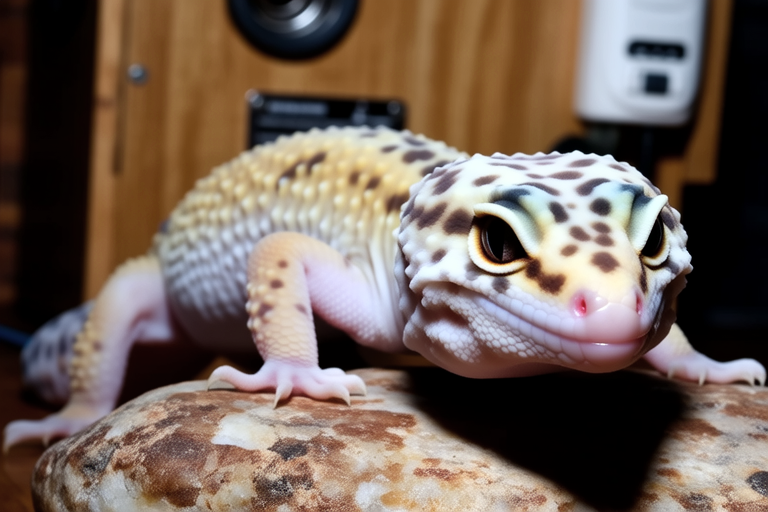
Leopard Gecko Care: Top Myths Debunked!
Welcome to the fascinating world of leopard geckos! These charming little creatures have become increasingly popular pets due to their relatively easy care and delightful personalities. However, like any other pet, there are several myths surrounding their care that can lead to misunderstandings and potential harm. In this article, we will debunk some of the most common myths about leopard gecko care and provide you with accurate information based on scientific facts and expert advice.
Habitat Requirements
Myth 1: Leopard Geckos Don’t Need UVB Light
One of the most widespread misconceptions about leopard gecko care is that they don’t require UVB lighting. While it’s true that leopard geckos are primarily nocturnal and spend much of their time hiding during daylight hours, they still benefit from some exposure to UVB light. UVB light helps them synthesize vitamin D3, which is crucial for calcium absorption and overall bone health. Without adequate UVB, your gecko could develop metabolic bone disease (MBD), a serious condition characterized by soft bones and skeletal deformities.
Expert Tip: Provide your leopard gecko with a low-level UVB light, but ensure it doesn’t exceed 5% intensity. Position the light so that it illuminates one side of the enclosure, creating a gradient of temperatures and light levels. This setup mimics their natural environment, allowing them to bask if desired while maintaining their nocturnal tendencies.
Myth 2: A Small Tank is Enough for a Leopard Gecko
Another common myth is that a small tank or vivarium is sufficient for a leopard gecko. While these reptiles are not particularly active compared to other lizards, they still need ample space to move around comfortably. A tank that is too small can lead to stress, behavioral issues, and even health problems.
Scientific Fact: Leopard geckos thrive in environments that offer a variety of hiding spots, climbing opportunities, and areas for thermoregulation. The recommended minimum size for a single adult leopard gecko is a 20-gallon tank (approximately 48x30x24 inches). For multiple geckos, increase the size accordingly to ensure each has enough personal space.
Practical Tip: Invest in a larger tank and enrich it with various decorations, such as cork bark, rocks, and live or artificial plants. This not only provides enrichment but also creates a more stimulating and naturalistic habitat for your gecko.
Dietary Needs
Myth 3: Leopard Geckos Can Eat Any Type of Insect
Many people believe that leopard geckos can eat any type of insect available at the local pet store. While crickets, mealworms, and dubia roaches are popular choices, it’s essential to be selective about what you feed your gecko. Some insects, like fireflies, are toxic and can cause severe illness or death if ingested.
Expert Advice: Stick to feeder insects that are gut-loaded (fed a nutritious diet) and dusted with a high-quality calcium supplement. Offer a variety of prey items, including crickets, dubia roaches, and waxworms (in moderation due to their high-fat content). Avoid feeding wild-caught insects, as they may carry parasites or pesticides harmful to your gecko.
Myth 4: Leopard Geckos Should Be Fed Every Day
It’s a common misconception that leopard geckos should be fed daily. In reality, these reptiles are adapted to intermittent fasting, which allows them to conserve energy during periods when food is scarce. Overfeeding can lead to obesity and related health issues.
Scientific Fact: Adult leopard geckos typically need to be fed every other day or three times a week, depending on their age, size, and activity level. Juvenile geckos, on the other hand, require more frequent meals to support their rapid growth.
Practical Tip: Monitor your gecko’s body condition and adjust the feeding schedule accordingly. A healthy leopard gecko should have a slightly visible spine but no prominent hip bones or ribs. If your gecko appears overweight or underweight, consult a veterinarian specializing in reptiles for guidance.
Handling Practices
Myth 5: Leopard Geckos Enjoy Being Held Frequently
Some new owners assume that because leopard geckos are generally docile and easy to handle, they enjoy being held frequently. While leopard geckos can become accustomed to gentle handling over time, they are not naturally social animals and may become stressed if handled too often or roughly.
Expert Insight: Limit handling sessions to once or twice a week, keeping them short and gentle. Always wash your hands before and after handling to prevent the transfer of bacteria or oils that could irritate your gecko’s skin.
Myth 6: You Can Pick Up a Leopard Gecko by its Tail
This is a dangerous myth that can lead to serious injury for your gecko. Leopard geckos have a tail that, unlike some other lizard species, cannot regenerate once lost. Picking up a gecko by its tail can result in trauma, infection, or even death.
Safe Handling Practice: Always pick up your gecko gently by supporting its body with both hands. Allow it to climb onto your fingers or hand if it feels comfortable doing so. Never grab or pull at its tail.
Health Myths
Myth 7: Leopard Geckos Don’t Get Sick
Contrary to popular belief, leopard geckos are susceptible to a range of health issues, just like any other animal. Common ailments include respiratory infections, parasites, and metabolic bone disease. Regular veterinary check-ups and proper husbandry are essential to maintaining your gecko’s health.
Scientific Fact: Early detection and treatment of health problems can significantly improve your gecko’s prognosis. Signs of illness may include lethargy, loss of appetite, abnormal feces, or difficulty breathing. If you notice any concerning symptoms, contact a reptile-savvy veterinarian immediately.
Practical Tip: Maintain clean living conditions, provide appropriate temperatures and humidity levels, and monitor your gecko’s behavior and appearance regularly. A healthy gecko is active, alert, and maintains a good body weight.
Myth 8: Leopard Geckos Don’t Need Regular Vet Visits
Many owners mistakenly believe that routine veterinary visits are unnecessary for their leopard geckos. However, regular check-ups are vital for early detection of health issues and preventive care.
Expert Recommendation: Schedule annual wellness exams for your gecko, including a thorough physical examination, fecal parasite screening, and blood tests if necessary. These appointments allow your veterinarian to catch potential problems early and provide personalized care recommendations.
Conclusion
Caring for a leopard gecko can be an incredibly rewarding experience, but it requires understanding and dispelling common myths about their care. By providing the right habitat, diet, and handling practices, you can ensure your gecko lives a long, healthy, and happy life. Remember, education is key to becoming a responsible and informed reptile owner. Happy gecko keeping!
