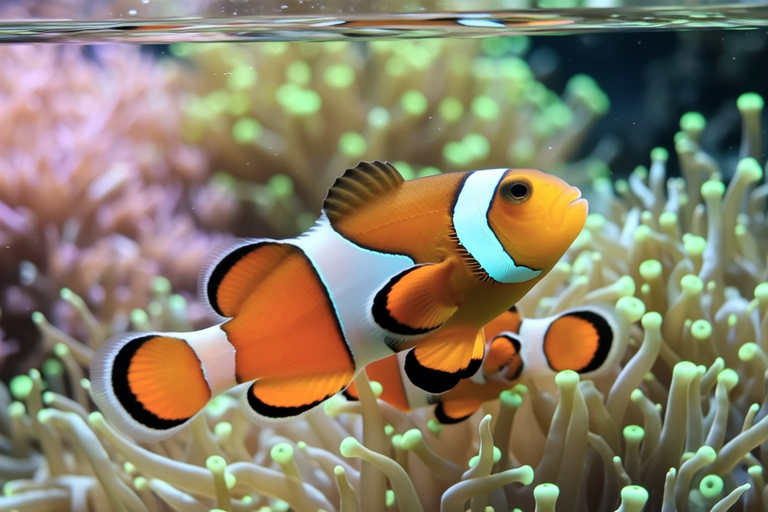
Ocean Charm Brought Home: Tips for Raising Happy and Healthy Clownfish
Clownfish are one of the most popular and beloved marine fish species, known for their vibrant colors and playful nature. These fascinating creatures have captured the hearts of many aquarists, making them a popular choice for home aquariums. However, raising happy and healthy clownfish requires careful planning and attention to detail. This comprehensive guide will provide you with essential tips on setting up an appropriate aquarium environment, maintaining optimal water parameters, ensuring a balanced diet, addressing common health issues, and understanding their social behavior.
Setting Up the Ideal Aquarium Environment
The first step in creating a thriving environment for your clownfish is setting up the right aquarium. Clownfish thrive in saltwater environments that closely mimic their natural habitats. A minimum tank size of 30 gallons is recommended for a single pair of clownfish, but larger tanks can accommodate more fish comfortably. Ensure the tank has adequate space for swimming and hiding, as clownfish need places to retreat when they feel threatened.
Clownfish are often associated with sea anemones, which provide them with protection and food. While it is possible to keep clownfish without anemones, adding a suitable anemone can enhance their well-being and add visual appeal to your aquarium. Choose anemones like the bubble tip anemone or the carpet anemone, which are known for their compatibility with clownfish. Be sure to research the specific requirements of the anemone you choose, as some may require additional care.
In addition to anemones, providing plenty of live rock and coral structures in the tank can offer hiding spots and enrich the environment. Live rock also contributes beneficial bacteria that help maintain water quality. Incorporating these elements creates a more natural and stimulating habitat for your clownfish.
Maintaining Optimal Water Parameters
Water quality is crucial for the health and happiness of your clownfish. Regular monitoring and maintenance of water parameters are essential to ensure a stable and safe environment. Here are some key water parameters to focus on:
- Temperature: Maintain a temperature between 76°F and 82°F (24°C to 28°C). Use a reliable heater to keep the water at a consistent temperature.
- pH: Aim for a pH level between 8.1 and 8.4. Test the water regularly and adjust if necessary using appropriate buffers.
- Salinity: Keep the salinity between 1.020 and 1.025 specific gravity. Use a hydrometer to measure and maintain the correct salinity.
- Ammonia, Nitrite, and Nitrate: Ensure ammonia and nitrite levels are zero, while nitrate levels should be kept below 20 ppm. Perform regular water changes and use appropriate filtration systems to maintain these levels.
Consistent water quality not only prevents stress but also helps prevent diseases. By keeping these parameters in check, you create a healthy environment that promotes the overall well-being of your clownfish.
Diet Specifics for Clownfish
Feeding your clownfish a balanced and nutritious diet is essential for their growth and vitality. In the wild, clownfish primarily feed on zooplankton, small crustaceans, and algae. In captivity, you can replicate this diet by offering a variety of high-quality foods. A combination of frozen and live foods is ideal, including brine shrimp, mysis shrimp, and vitamin-enriched flake or pellet foods. Additionally, introducing algae wafers or dried seaweed can provide beneficial nutrients.
It is important to avoid overfeeding, as excess food can lead to poor water quality and obesity. Feed your clownfish small amounts two to three times a day, ensuring they consume all the food within a few minutes. Observe their eating habits and adjust the quantity accordingly. Providing a varied and balanced diet will help your clownfish stay healthy and active.
Common Health Issues and Prevention
Despite proper care, clownfish may still face health challenges. Early detection and prompt treatment are crucial for recovery. Some common health issues include:
- Fungal Infections: Fungal infections can occur if the water quality is poor or if fish are stressed. Symptoms include white, cotton-like growths on the body. Treatment involves improving water conditions and using antifungal medications.
- Bacterial Infections: Bacterial infections can cause redness, ulcers, or fin rot. Maintain excellent water quality and quarantine new fish to prevent outbreaks. Antibiotics may be necessary for severe cases.
- Ich (Ichthyophthirius multifiliis):
This parasitic infection causes white spots on the fish’s body. It is highly contagious and requires immediate action. Increase the water temperature slightly and use anti-ich treatments. Quarantine any infected fish to prevent spreading the disease to other tank inhabitants.
To minimize the risk of health issues, follow these preventive measures:
- Quarantine new fish before introducing them to the main tank.
- Perform regular water changes to maintain clean and stable water conditions.
- Monitor water parameters closely and address any deviations promptly.
- Provide a stress-free environment with ample hiding spots and a peaceful atmosphere.
Social Behavior and Compatibility
Clownfish are generally peaceful and social fish, but understanding their behavior and preferences is important for successful cohabitation. Clownfish are territorial and may become aggressive towards other clownfish or similar-looking species if overcrowded. It is best to house a single pair or a small group of clownfish in a large enough tank to allow each individual sufficient space.
When choosing tankmates for your clownfish, consider species that are compatible and non-aggressive. Good choices include peaceful tangs, blennies, and wrasses. Avoid housing clownfish with highly competitive or predatory fish, such as lionfish or triggerfish, as they may pose a threat to the clownfish. Research potential tankmates thoroughly to ensure a harmonious community.
Clownfish are also known for their unique symbiotic relationship with sea anemones. They secrete a protective mucus layer that allows them to safely navigate through the anemone’s stinging tentacles. This relationship benefits both parties, as the anemone provides shelter and the clownfish offers protection from predators.
Creating a Safe and Enriching Habitat
A safe and enriching habitat is crucial for the well-being of your clownfish. In addition to the physical aspects of the tank setup, consider the following factors:
- Lighting: Provide appropriate lighting to simulate natural daylight cycles. Use full-spectrum LED lights that emit light in the blue and white spectrum, mimicking the sun’s rays. Ensure the lighting duration is between 8 to 10 hours per day.
- Water Flow: Clownfish prefer moderate water flow, similar to what they experience in the ocean. Install powerheads or wavemakers to create gentle currents that encourage swimming and mimic natural water movement.
- Behavioral Enrichment: Introduce toys or interactive objects, such as floating plants or sinking treats, to stimulate their curiosity and provide mental stimulation. This helps prevent boredom and encourages natural behaviors.
By focusing on these aspects, you create a nurturing environment that promotes the physical and emotional well-being of your clownfish.
Conclusion
Raising happy and healthy clownfish requires dedication, knowledge, and attention to detail. By setting up an appropriate aquarium environment, maintaining optimal water parameters, providing a balanced diet, addressing common health issues, and understanding their social behavior, you can ensure the well-being of your clownfish. Creating a safe and enriching habitat, along with compatible tank mates, further enhances their quality of life. With proper care, your clownfish will bring years of joy and fascination to your home aquarium.
