Pomeranians: The Perfect Mix of Adorability and Independent Spirit Explained
Welcome to the world of Pomeranians, a breed that has captured hearts worldwide with their irresistible charm and unique blend of affection and independence. These tiny dogs, originally from the province of Pomerania in Northern Europe, have a rich history that dates back centuries. Despite their small stature, Pomeranians pack a lot of personality into their compact bodies, making them one of the most beloved dog breeds today.
The Origins of Pomeranians
Pomeranians trace their lineage back to much larger spitz-type dogs, which were used for herding and guarding. Over time, selective breeding reduced their size significantly, resulting in the lively, energetic, and affectionate companion we know today. Their transformation from working dogs to cherished pets is a testament to their adaptability and endearing qualities.
A Charming Appearance
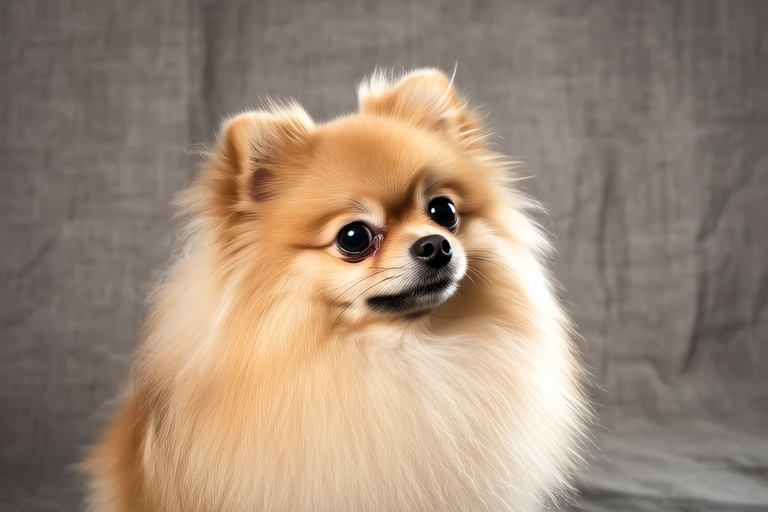
One of the first things you notice about a Pomeranian is their striking appearance. With their fluffy double coat and expressive faces, these dogs are often described as resembling a small fox or a ball of fluff. Their coats can come in a variety of colors, from cream and orange to black and white, adding to their visual appeal. The outer layer of their fur is long and straight, while the undercoat is soft and dense, providing warmth and insulation. This dual-layered coat requires regular grooming to keep it looking its best.
Not only does their coat make them visually appealing, but it also plays a significant role in their overall health and comfort. Regular brushing helps prevent matting and keeps their skin healthy. It’s essential for owners to establish a grooming routine early on to ensure their Pomeranian becomes accustomed to it.
The Independent Spirit
While Pomeranians are known for their cuddly demeanor, they also possess a spirited, independent streak that sets them apart from other toy breeds. This characteristic can sometimes present challenges for new owners, especially when it comes to training and socialization. Pomeranians can be quite stubborn at times, making it important to approach training with patience and consistency.
One of the most common behaviors associated with their independent nature is a tendency to bark excessively. While this can be seen as a sign of alertness, it can also become problematic if not managed properly. Early socialization and obedience training are crucial in teaching your Pomeranian when it’s appropriate to bark and when to remain quiet.
Training Tips for Owners
To effectively train a Pomeranian, it’s vital to use positive reinforcement techniques. Rewarding good behavior with treats, praise, or playtime encourages your dog to repeat those actions. Avoid harsh punishments, as this can lead to fear and resistance. Instead, focus on creating a positive learning environment where your Pomeranian feels safe and motivated to learn.
Consistency is key in training any dog, but it’s especially important with Pomeranians due to their independent nature. Establish clear rules and expectations from the beginning, and stick to them consistently. This will help your Pomeranian understand what is expected of them and reduce confusion or misbehavior.
Health Considerations
Like all breeds, Pomeranians are prone to certain health issues. One of the most common concerns is dental problems, which can lead to more serious conditions if left untreated. Regular dental care, including brushing and professional cleanings, is essential to maintain your Pomeranian’s oral health.
Another issue to watch out for is patellar luxation, a condition where the kneecap dislocates from its normal position. This can cause discomfort and mobility issues, so it’s important to monitor your Pomeranian for any signs of limping or difficulty moving. If you suspect your dog may be affected, consult your veterinarian for proper diagnosis and treatment options.
Pomeranians generally live between 12 to 16 years, which is considered a relatively long lifespan for a small dog. Proper nutrition, regular exercise, and routine veterinary care can help extend your Pomeranian’s life and improve their quality of health.
Bonding with Your Pomeranian
Building a strong bond with your Pomeranian involves spending quality time together and understanding their needs. While they enjoy companionship and attention, it’s important to respect their independent spirit and give them space when needed. Engage in activities that both you and your Pomeranian enjoy, such as walks, playtime, and training sessions. By doing so, you’ll strengthen your relationship and create lasting memories.
Conclusion
Pomeranians are indeed the perfect mix of adorability and independent spirit. Their compact size, vibrant personalities, and charming appearance make them ideal companions for many households. However, it’s essential to recognize and appreciate their unique traits, including their independent nature, which requires thoughtful training and care.
For the right household, Pomeranians offer a delightful balance of affection and autonomy. They thrive in environments where they receive consistent attention and affection while still being given the freedom to explore and express themselves. Whether you’re a seasoned dog owner or considering bringing a Pomeranian into your family for the first time, understanding and embracing their independent spirit will help you build a loving and rewarding relationship.
