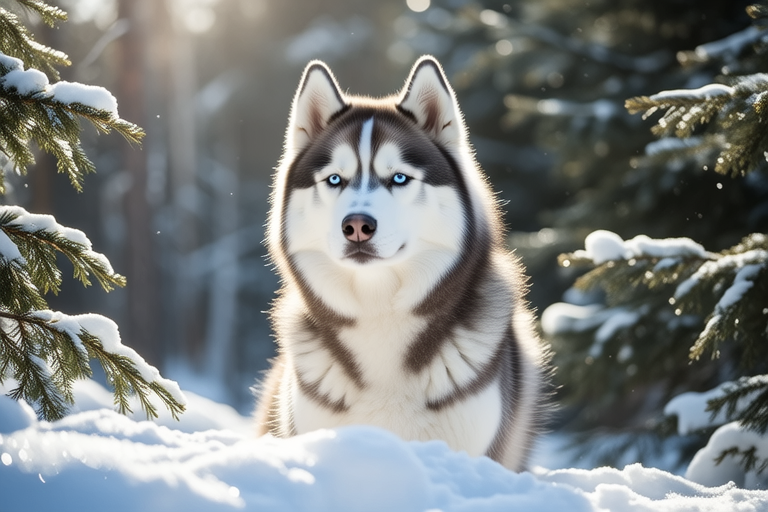
Winter Wanderers: Captivating Tales of Life with a Siberian Husky
Welcome to the world of Siberian Huskies, where every day is an adventure, and every moment spent with your four-legged companion is a treasure. These magnificent creatures, originally bred by the Chukchi people of Northeastern Asia as sled dogs, have captured the hearts of dog lovers around the globe. Their striking appearance, coupled with their boundless energy and loyalty, makes them a joy to own. In this article, we will delve into the captivating tales of life with a Siberian Husky, offering personal experiences, insights, and tips for both current and prospective owners.
The Majestic Siberian Husky
Siberian Huskies are known for their striking blue or multi-colored eyes, thick double coat, and wolf-like appearance. They are medium-sized dogs with a muscular build, perfect for pulling sleds over long distances in harsh winter conditions. Despite their robust appearance, they are gentle, friendly, and highly social animals, making them excellent family pets.
Energy Levels and Adaptability
One of the most defining traits of Siberian Huskies is their high energy levels. These dogs were bred to work, and they thrive on physical activity. A daily run or extended walk is essential to keep them happy and healthy. If you’re an active person who enjoys outdoor activities, a Siberian Husky could be the perfect companion for your adventures. However, if you lead a more sedentary lifestyle, it’s important to consider whether you can provide the necessary exercise for your Husky.
Despite their preference for cooler climates, Siberian Huskies are surprisingly adaptable. They can live comfortably in warmer environments as long as they have access to shade, water, and a cool place to rest. It’s crucial to monitor their activity level and provide breaks during hot weather to prevent overheating.
Tips for Potential Owners
If you’re considering bringing a Siberian Husky into your home, there are several factors to keep in mind:
- Exercise: Huskies need plenty of physical activity to stay healthy and happy. Plan for at least one hour of exercise each day, including running, hiking, or playing fetch.
- Training: Consistent and positive reinforcement training is key. Huskies are intelligent but can also be independent, so patience and consistency are required.
- Grooming: Their thick coats require regular brushing to prevent matting and shedding. Expect frequent shedding, especially during seasonal changes.
- Socialization: Huskies are pack animals and enjoy being around other dogs and people. Socializing them from a young age helps them become well-rounded and friendly adults.
Common Challenges
Living with a Siberian Husky comes with its own set of challenges. Here are some common issues you might encounter:
- Barking: Huskies tend to bark less than many other breeds, but they can still be vocal when they want attention or are bored.
- Escape Artists: Their strong instincts to roam and explore can make them prone to escaping. Ensuring your yard is securely fenced and providing mental stimulation can help curb this behavior.
- Independence: Huskies are known for their independent nature, which can sometimes lead to stubbornness. This trait requires consistent training and clear boundaries.
Heartwarming Stories
The bond between a Siberian Husky and their owner is truly special. Here are a few heartwarming stories that highlight the unique relationship:
The Adventure Seeker: Sarah and her Husky, Max, embarked on a journey to climb Mount Kilimanjaro. Max’s endurance and companionship made the expedition unforgettable. His loyalty and determination inspired Sarah to push through her limits.
The Therapy Dog: Luna, a Siberian Husky, has been visiting hospitals and nursing homes for years. Her calm demeanor and affectionate nature have brought comfort and joy to countless patients.
The Protector: One evening, while walking his Husky, Jack noticed a stranger lurking near his house. Without hesitation, his Husky, Charlie, barked loudly and stood guard until Jack returned home. The incident underscored the protective nature of Huskies.
The Importance of Proper Care
Proper care is essential for maintaining the health and happiness of your Siberian Husky. Regular vet check-ups, a balanced diet, and plenty of exercise are all crucial. Pay close attention to their dental hygiene and ensure they receive routine vaccinations. Additionally, providing mental stimulation through interactive toys and games can help prevent boredom and destructive behavior.
Training and Exercise
Training your Siberian Husky requires patience and consistency. Positive reinforcement techniques, such as treats and praise, are effective for teaching basic commands and good behavior. Huskies respond well to training that involves problem-solving and mental engagement. Incorporating agility courses or puzzle toys into their routine can enhance their cognitive skills and provide entertainment.
Exercise is equally important for physical and mental well-being. Huskies are happiest when they can run freely and explore new environments. If you don’t have the space for a large yard, consider taking your Husky to a local park or trail for daily walks. Joining a local dog club or group can also provide opportunities for social interaction and organized activities.
Conclusion
Life with a Siberian Husky is a rewarding experience filled with love, adventure, and companionship. These majestic dogs bring joy and excitement to their owners’ lives, but they also require dedication and commitment. By understanding their unique needs and providing proper care, training, and exercise, you can ensure a fulfilling and lasting bond with your Siberian Husky.
Whether you’re a seasoned dog owner or considering adding a Husky to your family, remember that each dog is an individual with its own personality and quirks. Embrace the challenges and celebrate the triumphs as you embark on this incredible journey together.
