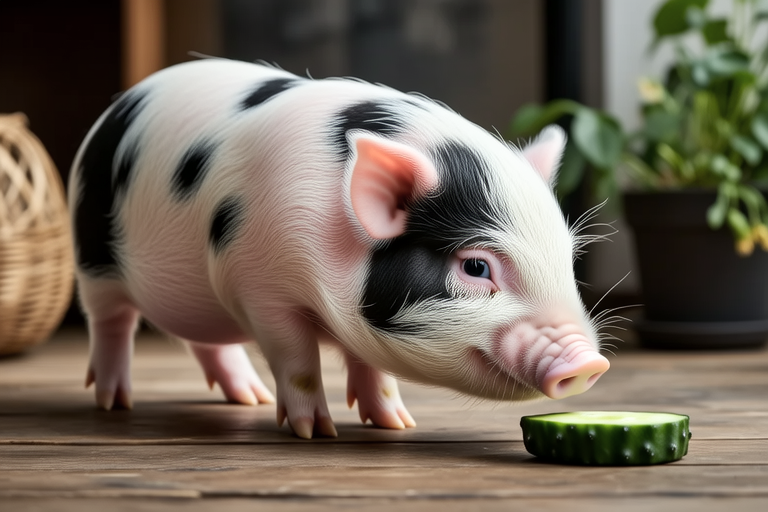
From Beginner to Pro: Easy Steps to Train Your Guinea Pig
Welcome to the world of guinea pig ownership! Training your guinea pig can be a rewarding experience that strengthens the bond between you and your pet. This guide will take you from the basics of handling and bonding through to advanced training techniques. We’ll cover everything you need to know to make your guinea pig well-trained and happy.
Getting Started: Handling and Bonding
The first step in training your guinea pig is getting them used to being handled. Guinea pigs are social animals that thrive on interaction, so it’s important to spend time with them daily. Start by placing your hand in their cage and letting them sniff it. Offer treats to encourage them to approach you.
Once they’re comfortable with your presence, gently pick them up by supporting their body with one hand under their chest and the other under their hindquarters. Always support their back legs and avoid lifting them by their ears or scruff. Handle your guinea pig regularly to build trust and make them feel secure.
Bonding with your guinea pig is essential for successful training. Spend quality time with them outside their cage, playing with toys or simply sitting together. Guinea pigs are intelligent and can learn to recognize their owner’s voice and gestures. The more time you spend with them, the better they’ll understand your cues and respond to training.
Basic Training Commands
Come When Called
Teaching your guinea pig to come when called is a useful command for ensuring their safety. Start by saying a specific word or phrase, like “come,” while offering a treat. Once they approach you, reward them with the treat and plenty of praise. Repeat this process several times a day until they associate the command with the action.
Gradually increase the distance between you and your guinea pig as they become more reliable at responding. Practice in different environments to ensure they can come when called even in distracting situations. Consistency is key; always use the same command and treat each time.
Litter Box Training
Guinea pigs can be trained to use a litter box, which makes cleaning their living space easier and keeps them healthier. Choose a shallow litter box that’s easy for your guinea pig to enter and exit. Line it with a non-clumping, dust-free bedding material like paper-based pellets or shredded paper.
Place the litter box in a corner of their cage where they usually relieve themselves. Encourage them to use it by placing a small amount of their droppings inside. Praise and offer treats when they use the litter box correctly. Over time, they’ll associate the area with elimination and use it consistently.
Common Challenges for Beginners
As a new guinea pig owner, you may encounter some challenges during the training process. One common issue is resistance to handling. If your guinea pig doesn’t want to be picked up, try spending more time bonding with them and offering treats as positive reinforcement. Patience is crucial; don’t force them into your arms.
Another challenge is inconsistent responses to commands. This often happens when owners fail to provide clear, consistent cues or use different phrases for the same command. Stick to a single word or phrase for each command and always follow it with a reward. With time and practice, your guinea pig will learn to respond reliably.
Advanced Techniques for Experienced Owners
Target Training
Target training involves teaching your guinea pig to touch a target stick with their nose. This technique is useful for guiding them through obstacle courses or helping them perform tricks. Start by holding a target stick (a clean, non-toxic object like a wooden dowel) near their nose and click or say a marker word when they touch it. Immediately follow with a treat.
Gradually move the target stick further away and encourage your guinea pig to follow it. Once they consistently follow the target, you can use it to guide them through simple tasks or obstacles. Target training can also be used to teach more complex tricks, such as turning or jumping over small objects.
Teaching Tricks
With enough patience and practice, you can teach your guinea pig a variety of tricks. Start with simple commands like “spin” or “wave.” For example, to teach spinning, hold a treat near their nose and slowly move it in a circle. As they follow the treat, they’ll naturally turn in a circle. Click or say a marker word and give them the treat once they’ve completed the spin.
For more advanced tricks, consider using clicker training. Clickers provide a distinct sound that marks the exact moment your guinea pig performs the desired behavior. This helps them understand what they’re being rewarded for. Pair the click with a treat to reinforce the behavior. With consistent practice, your guinea pig can learn a wide range of tricks.
Necessary Supplies for Training
To train your guinea pig effectively, you’ll need a few essential supplies:
- Treats: Use small, healthy treats like fresh vegetables or commercial guinea pig treats. Avoid sugary or fatty foods that could lead to health problems.
- Clicker: A clicker provides a consistent sound that marks the moment your guinea pig performs the desired behavior. It’s particularly useful for clicker training.
- Target Stick: A target stick helps guide your guinea pig through tasks and tricks. It can be any non-toxic, clean object that’s easy for them to touch.
- Litter Box: A litter box is essential for litter box training. Choose one that’s shallow and easy for your guinea pig to access.
Maintaining a Consistent Routine
Consistency is vital for successful training. Establish a regular training schedule and stick to it. Short, frequent sessions are more effective than long, infrequent ones. Aim for 5-10 minute sessions several times a day. Keep training sessions fun and positive; stop if your guinea pig shows signs of stress or disinterest.
Always use positive reinforcement methods, such as treats and praise, to encourage good behavior. Avoid punishment, as it can cause fear and anxiety. Focus on rewarding the behaviors you want to see more of, rather than punishing unwanted behaviors.
Practical Example: Imagine you’re trying to teach your guinea pig to come when called. You start by calling their name and offering a treat whenever they approach you. After a few days, they begin to respond more quickly. You gradually increase the distance between you and your guinea pig, practicing in different areas of the house. Soon, they reliably come when called, making it easier to manage their environment and keep them safe.
Conclusion
Training your guinea pig can be a delightful and enriching experience for both you and your pet. By following these steps and maintaining a consistent, positive approach, you can teach your guinea pig a variety of useful commands and tricks. Remember to be patient and enjoy the journey. With time and effort, you’ll have a well-trained, happy guinea pig that responds reliably to your cues and enjoys interacting with you.
