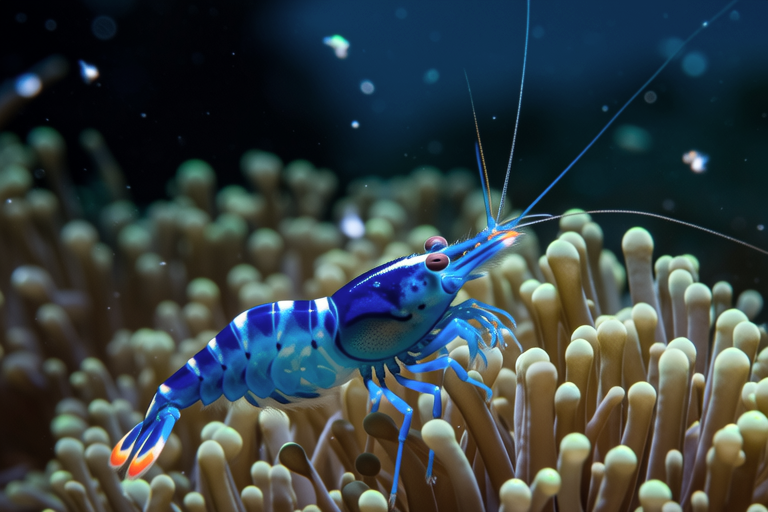
How Coral Shrimp Can Transform Your Underwater Ecosystem
Coral shrimp, a diverse group of crustaceans, play a crucial role in maintaining the health and balance of underwater ecosystems. These small yet significant creatures are known for their striking colors and active behavior, making them both visually appealing and functional additions to any aquatic environment. This article will delve into the world of coral shrimp, exploring their natural habitats, characteristics, contributions to marine ecosystems, and the benefits of incorporating them into home aquariums.
Natural Habitats and Key Characteristics
Coral shrimp belong to the family Hippolytidae and are found in various regions across the world’s oceans, particularly in tropical and subtropical waters. They inhabit coral reefs, rocky crevices, and seagrass beds, where they find ample shelter and food. Their natural habitats are rich in biodiversity, providing a plethora of interactions that shape their behavior and survival strategies.
One of the most distinctive features of coral shrimp is their vibrant coloration. Species such as the scarlet cleaner shrimp (Lysmata amboinensis) and the peppermint shrimp (Lysmata wurdemanni) exhibit bright hues that serve both as camouflage and a warning to potential predators. These colors help them blend into the reef environment while simultaneously signaling their presence to other marine life.
Another notable characteristic of coral shrimp is their relatively small size, typically ranging from 1 to 3 inches in length. Despite their diminutive stature, these shrimps are highly active and display fascinating behaviors. They are often seen scurrying around the reef, interacting with other organisms, and performing vital functions that contribute to the overall health of the ecosystem.
Contribution to Marine Ecosystems
Coral shrimp are essential components of marine ecosystems due to their symbiotic relationships with various organisms. One of the most well-known partnerships is the mutualistic relationship between coral shrimp and coral polyps. In this arrangement, coral shrimp benefit from the protection and nutrients provided by the coral, while the coral gains from the shrimp’s cleaning activities.
The cleaning behavior of coral shrimp involves removing debris, parasites, and dead tissue from the coral’s surface. This process not only keeps the coral healthy but also promotes its growth and reproduction. By eliminating harmful substances, coral shrimp play a critical role in maintaining the integrity of coral reefs, which are vital habitats for countless marine species.
In addition to their relationship with corals, coral shrimp also engage in symbiotic interactions with other marine animals. For instance, some species of coral shrimp act as cleaners for larger fish, removing external parasites and dead skin. This behavior not only benefits the shrimp by providing a steady source of food but also contributes to the overall health and well-being of the fish. The fish, in turn, offer protection to the shrimp, creating a mutually beneficial dynamic.
Benefits of Adding Coral Shrimp to a Home Aquarium
For aquarists, coral shrimp offer numerous advantages when introduced into a home aquarium. Not only do they add visual interest with their striking colors and lively movements, but they also contribute significantly to the maintenance of the tank’s cleanliness and health.
One of the primary benefits of coral shrimp is their cleaning habits. Just like in their natural habitat, these shrimps will actively search for and consume detritus, uneaten food particles, and other organic matter within the aquarium. By doing so, they help prevent the buildup of harmful substances that could otherwise lead to poor water quality and disease outbreaks. Their constant scavenging ensures that the tank remains clean and free from unnecessary waste.
Moreover, coral shrimp enhance the aesthetic appeal of an aquarium. Their vibrant colors and graceful movements make them a captivating addition to any underwater display. Watching these tiny creatures go about their daily routines can be a delightful and soothing experience for aquarium enthusiasts. Whether they are busily cleaning the substrate or interacting with other tank inhabitants, coral shrimp provide endless entertainment and visual pleasure.
Tips for Integrating Coral Shrimp into an Existing Aquarium Setup
Integrating coral shrimp into an established aquarium requires careful planning and consideration of several factors to ensure their successful adaptation and coexistence with other tank inhabitants. Below are some essential tips to guide you through the process:
Diet
Coral shrimp are omnivorous, meaning they consume both plant-based and animal-based foods. In the wild, their diet consists of algae, plankton, and small invertebrates. To replicate this in a home aquarium, it is important to provide a balanced diet that includes a variety of suitable foods.
Commercially available shrimp pellets, algae wafers, and frozen or freeze-dried foods such as brine shrimp, bloodworms, and mysis shrimp are excellent choices for feeding coral shrimp. Additionally, providing fresh seaweed or blanched vegetables can offer a source of plant-based nutrition. It is recommended to feed your coral shrimp several times a week, ensuring that they have access to a diverse range of food options.
Tank Mates Compatibility
When selecting tank mates for coral shrimp, it is crucial to consider their compatibility to avoid conflicts and ensure a harmonious environment. Coral shrimp generally get along well with peaceful fish species such as cardinal tetras, clownfish, and dwarf gouramis. However, caution should be exercised when housing them with more aggressive or predatory fish, as these may pose a threat to the shrimp.
It is also advisable to introduce coral shrimp gradually to the aquarium, allowing them time to acclimate to their new surroundings before adding other tank mates. This approach helps reduce stress and increases the likelihood of successful integration.
Water Conditions
Maintaining optimal water conditions is essential for the well-being of coral shrimp and other aquarium inhabitants. Coral shrimp thrive in stable environments with specific parameters that mimic their natural habitat. Here are some guidelines to follow:
- Temperature: Keep the water temperature between 72°F and 82°F (22°C and 28°C).
- pH Level: Maintain a pH level between 8.1 and 8.4.
- Salinity: Ensure a salinity level of approximately 1.020 to 1.025 specific gravity.
- Aeration: Provide adequate aeration to maintain proper oxygen levels.
- Water Quality: Regularly test and monitor water parameters to ensure they remain within acceptable ranges.
Observing and Appreciating Coral Shrimp Behavior
One of the joys of keeping coral shrimp in a home aquarium is the opportunity to observe and appreciate their unique behaviors. These creatures exhibit a wide array of activities that can be both entertaining and educational. From their cleaning routines to their interactions with other tank inhabitants, there is always something interesting to watch.
To fully enjoy the behaviors of coral shrimp, it is recommended to spend time observing them regularly. Set aside a few minutes each day to watch them move about the tank, interact with their surroundings, and engage with other species. Over time, you may notice patterns and habits that add to your understanding and appreciation of these fascinating creatures.
Additionally, consider keeping a journal to document your observations. Recording details about the shrimp’s activities, feeding habits, and interactions with other tank inhabitants can provide valuable insights and enhance your overall experience. Sharing your observations with fellow aquarists or participating in online forums can further enrich your knowledge and enjoyment of coral shrimp.
In conclusion, coral shrimp are remarkable creatures that can transform your underwater ecosystem by contributing to its health, enhancing its aesthetics, and providing endless fascination. By understanding their natural habitats, characteristics, and roles in marine ecosystems, you can better appreciate the benefits of adding them to your home aquarium. With proper care, attention to detail, and a commitment to maintaining optimal water conditions, coral shrimp can thrive and bring joy to any aquatic environment.
