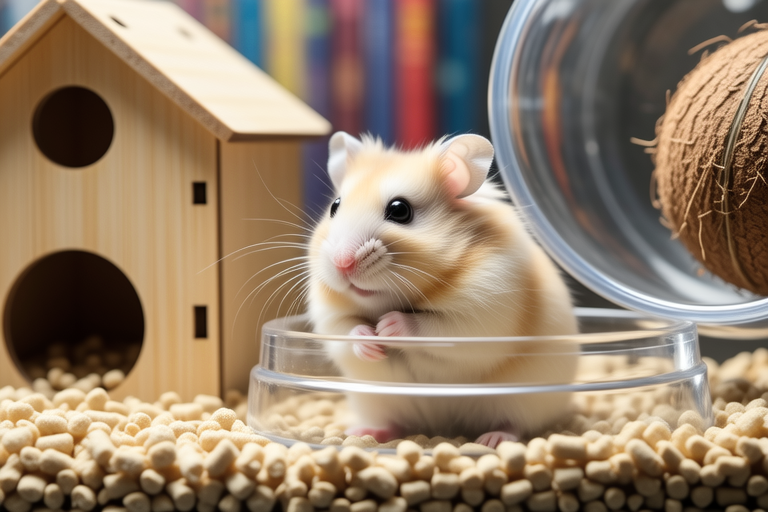
How to Create a Perfect Habitat for Your Golden Hamster at Home
Welcome to your comprehensive guide on creating the perfect habitat for your golden hamster. Whether you’re a first-time hamster owner or an experienced one, this article will provide you with all the necessary information to ensure your pet’s health and happiness. We’ll cover essential habitat components such as appropriate cage size, bedding materials, toys for mental stimulation, dietary needs, temperature and lighting requirements, cleaning schedules, and safety precautions.
Choosing the Right Cage Size
The first step in creating a perfect habitat for your golden hamster is selecting the right cage. A cage that is too small can lead to stress and behavioral issues, while a cage that is too large might pose safety risks. For a single golden hamster, a cage with dimensions of at least 36 inches long, 18 inches wide, and 12 inches high is recommended. This provides ample space for your hamster to explore, exercise, and play.
Wire cages are popular choices because they allow for proper ventilation and easy cleaning. However, it’s important to ensure that the spacing between the wires is small enough to prevent your hamster from escaping. Solid-bottomed cages are also a good option, especially if you plan to place the cage on carpeted floors.
Selecting Bedding Materials
Bedding is crucial for your golden hamster’s comfort and hygiene. Choose bedding that is soft, absorbent, and dust-free. Popular options include recycled paper products, such as Carefresh, which are available in various colors and scents. Avoid cedar and pine shavings, as they contain aromatic oils that can irritate your hamster’s respiratory system.
Provide a layer of bedding that is about 2-3 inches deep. This allows your hamster to dig and burrow, which is a natural behavior for them. Change the bedding regularly to maintain cleanliness and prevent odors. It’s also a good idea to provide a separate area for nesting, where your hamster can build its nest and sleep comfortably.
Toys for Mental Stimulation
Toys are essential for keeping your golden hamster mentally stimulated and preventing boredom. Hamsters are naturally curious and active animals, so providing a variety of toys can help keep them engaged and entertained. Consider toys such as tunnels, wheels, chew toys, and puzzle feeders.
When choosing a wheel, opt for one with a solid surface rather than a wire mesh. Wire wheels can cause injuries to your hamster’s feet. Additionally, make sure the wheel is large enough for your hamster to run without hunching its back. A wheel with a diameter of at least 8 inches is recommended.
Chew toys are important for maintaining your hamster’s dental health. Hamsters’ teeth grow continuously, so they need something to gnaw on to keep their teeth trimmed. Safe options include wooden blocks, cardboard tubes, and untreated wood branches.
Dietary Needs
A balanced diet is crucial for your golden hamster’s overall health. The main component of their diet should be a high-quality hamster mix, which typically contains seeds, grains, and pellets. However, avoid mixes that contain sunflower seeds, as they are high in fat and can lead to obesity.
In addition to hamster mix, provide fresh vegetables and fruits as treats. Suitable options include carrots, broccoli, apples, and blueberries. Always introduce new foods gradually to monitor for any digestive issues. Fresh water should always be available, and it’s best to use a sipper bottle attached to the side of the cage.
Temperature and Lighting Requirements
Golden hamsters thrive in temperatures between 65°F and 75°F (18°C and 24°C). Avoid placing their cage near windows or drafts, as extreme temperature fluctuations can cause stress. If you live in a very warm climate, consider using a cooling pad to keep your hamster comfortable during hot summer months.
Hamsters are nocturnal creatures, meaning they are most active during the night. While they don’t require complete darkness, they do appreciate a quiet, dim environment during the day. You can achieve this by covering part of the cage with a towel or using a cage cover designed specifically for hamsters.
Cleaning Schedules
Maintaining a clean habitat is essential for your golden hamster’s health. Clean the cage thoroughly once a week, removing all old bedding and replacing it with fresh material. Spot clean daily by removing soiled bedding and food debris.
Regularly clean and disinfect food bowls, water bottles, and toys to prevent bacterial growth. Use a mild, pet-safe disinfectant and rinse thoroughly before returning items to the cage. Pay special attention to the water bottle, ensuring the sipper tube is free of mold and debris.
Safety Precautions
While creating a stimulating and comfortable environment for your golden hamster, it’s important to prioritize their safety. Avoid placing the cage in areas with direct sunlight, as this can lead to overheating. Similarly, keep the cage away from areas with high foot traffic to prevent accidental disturbances.
Ensure that all cage accessories are secure and cannot be easily dislodged or broken. Check toys and tunnels regularly for signs of wear and tear, and replace them as needed. Be cautious when handling your hamster, as they have sharp teeth and claws. Approach them gently and avoid sudden movements that could startle them.
Conclusion
Creating the perfect habitat for your golden hamster involves careful consideration of their physical and emotional needs. By providing an appropriately sized cage, safe bedding, stimulating toys, a balanced diet, and a suitable environment, you can ensure your hamster leads a healthy and happy life. Regular cleaning and maintenance, along with attentive care, will help your furry friend thrive in its new home.
