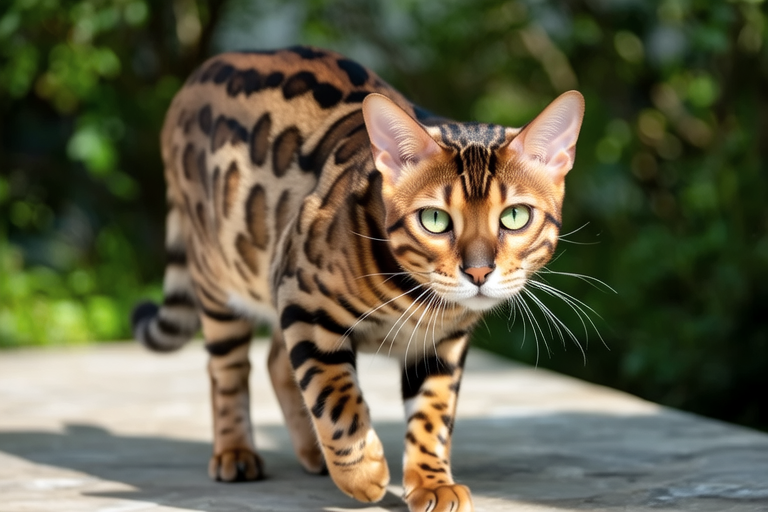
Meet the Wild at Heart: A Deep Dive into Bengal Cats
Bengal cats have captured the hearts of many cat enthusiasts with their striking resemblance to leopards and their captivating personalities. These felines are a testament to the fascinating interplay between domestication and wild instincts, offering a unique blend of beauty and behavior that sets them apart from other cat breeds.
The Origin and Characteristics of Bengal Cats
The Bengal cat is a relatively new breed, having been developed in the 1960s through the crossbreeding of domestic cats and Asian leopard cats. This selective breeding process aimed to create a cat that combines the sleek, exotic appearance of wild cats with the affectionate nature of domesticated felines. The result is a breed that boasts a striking coat pattern reminiscent of leopards, featuring rosettes and marbled markings. Their coats come in various colors, including brown, snow, silver, and charcoal, adding to their visual appeal.
One of the most distinctive features of Bengal cats is their muscular build and agility. They possess a strong, athletic body that allows them to leap great distances and climb with ease. Their large, expressive eyes and high cheekbones contribute to their regal appearance, making them look like miniature versions of their wild ancestors. Despite their wild looks, Bengal cats are entirely domesticated and make wonderful companions when properly socialized.
Temperament, Energy Levels, and Social Behaviors
Bengal cats are known for their playful and energetic demeanor. They are curious creatures that enjoy exploring their surroundings and engaging in interactive play. Their high energy levels mean they require plenty of mental and physical stimulation to stay happy and healthy. Owners of Bengal cats often find themselves with a partner in crime, as these cats love to participate in activities such as fetching toys or playing hide-and-seek.
While Bengal cats are generally friendly and affectionate, they can be quite independent. They appreciate the company of humans but are also capable of entertaining themselves. Their social behaviors include a tendency to follow their owners around the house, seeking attention and interaction. Bengal cats thrive in environments where they are given space to roam and explore, making them well-suited for homes with secure outdoor areas or spacious indoor living spaces.
It’s important to note that Bengal cats are not lap cats in the traditional sense. While they enjoy being close to their owners, they prefer to sit beside or near their human companions rather than sitting on their laps. This preference for proximity over physical contact is a reflection of their wild ancestry and independent nature.
Dietary Needs and Grooming Requirements
Bengal cats have specific dietary needs that cater to their active lifestyle. A balanced diet rich in proteins and fats is essential to support their muscle development and overall health. High-quality commercial cat foods formulated for active breeds are recommended. Owners should consult with veterinarians to determine the appropriate amount of food and the best feeding schedule based on the cat’s age, weight, and activity level.
Grooming is another aspect of caring for Bengal cats that requires attention. Their short, dense coats are naturally shiny and require minimal grooming. However, regular brushing helps to remove loose hair and prevent matting, especially during shedding seasons. Bathing is generally unnecessary unless the cat gets particularly dirty, but it’s important to introduce them to water early in life to ensure they are comfortable with the experience.
Health Considerations Specific to the Breed
Like any breed, Bengal cats are prone to certain health issues. One of the most significant concerns is Hypertrophic Cardiomyopathy (HCM), a heart condition that affects the heart’s ability to pump blood effectively. Regular veterinary check-ups, including cardiac screenings, are crucial for early detection and management of this condition. Other common health issues include dental problems and urinary tract infections, which can be mitigated through proper diet and hygiene practices.
Vaccinations and routine preventive care are essential for maintaining the health of Bengal cats. Parasite control, including regular flea and tick treatments, is also necessary to protect them from external parasites. Owners should work closely with their veterinarians to develop a comprehensive wellness plan tailored to their cat’s specific needs.
Training and Interaction
Training Bengal cats involves patience and positive reinforcement. These intelligent animals respond well to reward-based training methods, such as clicker training or treats. Teaching basic commands and tricks can help channel their energy into productive activities and strengthen the bond between owner and pet. Interactive toys and puzzle feeders are excellent tools for keeping Bengal cats mentally stimulated and engaged.
Common misconceptions about Bengal cats revolve around their wild nature. While they do exhibit some behaviors associated with their wild ancestors, they are fully domesticated and can be trained and socialized just like any other cat. It’s important for owners to understand that while Bengal cats may have higher energy levels and more complex social needs, they are not aggressive or dangerous pets when raised in loving and stable environments.
Advice for Potential Owners
Owning a Bengal cat is a rewarding experience for those who are willing to commit to their unique needs. Prospective owners should be prepared for the time and effort required to provide adequate mental and physical stimulation. Creating an enriched environment with climbing structures, scratching posts, and interactive toys can help meet these needs.
Additionally, potential owners should consider the long-term financial commitment involved in providing quality healthcare and nutrition for their Bengal cat. Regular veterinary visits, vaccinations, and preventive care are essential components of responsible ownership.
The rewards of owning a Bengal cat are numerous. Their intelligence, loyalty, and playful nature make them delightful companions. For those who appreciate a cat with a wild spirit and a domesticated heart, a Bengal cat can offer a lifetime of joy and companionship.
