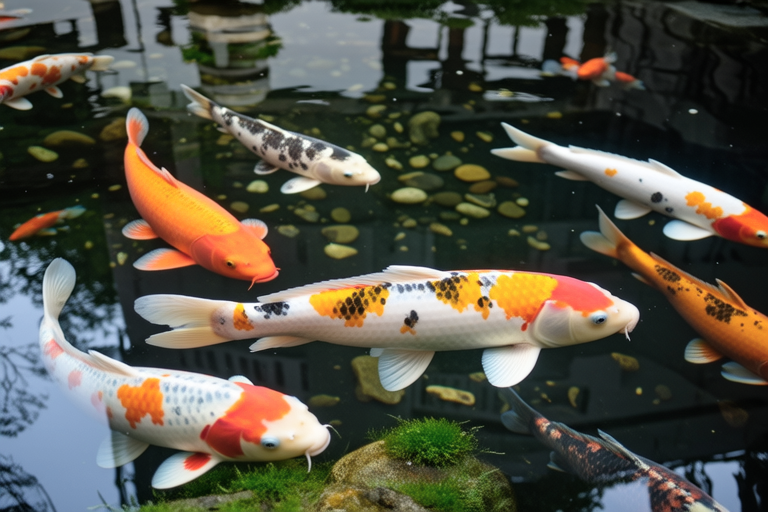
Top Secrets to Keeping Your Koi Healthy and Thriving in Any Pond
Welcome to the world of koi keeping! Whether you’re a novice or an experienced enthusiast, maintaining a healthy and thriving koi pond is both an art and a science. This comprehensive guide will walk you through the top secrets to ensuring your koi live long, happy lives in any pond setting.
Water Quality Maintenance: The Foundation of a Healthy Pond
Water quality is paramount for koi health. Poor water quality can lead to stress, disease, and even death. Here are some essential tips to maintain optimal water conditions:
- Regular Water Testing: Use a reliable test kit to monitor pH, ammonia, nitrite, and nitrate levels. Aim for a pH between 7.2 and 8.0, with no detectable ammonia or nitrite, and nitrate levels below 40 ppm.
- Adequate Oxygenation: Ensure that your pond has enough oxygen by installing aeration devices such as waterfalls, fountains, or air pumps. Oxygen-starved fish can suffer from various health issues.
- Partial Water Changes: Regularly changing 10-20% of the pond water weekly helps remove toxins and replenish beneficial minerals. Be cautious when introducing new water; it should be treated to eliminate chlorine and chloramines.
Suitable Pond Filtration Systems: Clear Water, Happy Fish
A well-designed filtration system is crucial for removing waste and maintaining clear water. There are three main types of filters:
- Mechanical Filters: These trap large particles like leaves and uneaten food. They require regular cleaning to prevent clogging.
- Biological Filters: Host beneficial bacteria that convert harmful ammonia into less toxic compounds. Ensure adequate surface area for bacterial growth.
- Chemical Filters: Absorb dissolved organic compounds and improve water clarity. Activated carbon and filter pads are common media.
Choose a filtration system that matches your pond size and stocking density. Consult with a professional if needed.
Optimal Feeding Practices: Nourishing Your Koi Without Overfeeding
Proper nutrition is vital for koi health. Follow these guidelines for balanced feeding:
- Quality Food: Invest in high-quality, nutrient-rich koi pellets. Look for products containing protein, fats, carbohydrates, vitamins, and minerals.
- Frequency and Quantity: Feed your koi 2-3 times daily, offering only what they can consume within a few minutes. Avoid overfeeding, which leads to water pollution.
- Seasonal Adjustments: Reduce feeding during colder months when koi become less active. In winter, feed them once daily or every other day.
Always store food in a cool, dry place to preserve its nutritional value.
Protection Against Diseases: Preventing and Managing Health Issues
Despite best efforts, koi may still fall ill. Here’s how to protect them:
- Preventative Measures: Maintain excellent water quality, provide proper nutrition, and avoid overcrowding. Quarantine new fish before introducing them to your pond.
- Early Detection: Regularly inspect your koi for signs of illness, such as lethargy, abnormal swimming behavior, or lesions. Prompt action can save lives.
- Treatment Options: Consult with a veterinarian specializing in aquatic animals for appropriate medications. Follow treatment protocols carefully and monitor fish closely.
Ideal Pond Environment Setup: Creating a Natural Habitat
Design your pond to mimic a natural habitat, promoting koi wellbeing:
- Plants: Introduce submerged plants like hornwort and floating plants like water lettuce. They provide oxygen, shelter, and natural food sources.
- Shelter: Install rocks, caves, and other structures where koi can hide. This reduces stress and encourages exploration.
- Depth: Ensure at least 3 feet of depth to maintain stable temperatures and provide sufficient space for koi to swim comfortably.
Consider the local climate and landscape when designing your pond. A well-planned environment enhances both aesthetics and functionality.
Seasonal Care for Koi: Adapting to Changing Conditions
Koi require special attention during different seasons:
- Spring: Perform a thorough spring clean-up, including vacuuming the bottom and cleaning filters. Gradually increase feeding as water temperature rises.
- Summer: Monitor water quality closely due to increased biological activity. Provide shade to reduce algae growth and maintain oxygen levels.
- Fall: Prepare for winter by reducing feeding and checking equipment. Consider installing a de-icer to prevent ice formation on the surface.
- Winter: Minimize disturbance and ensure the pond remains oxygenated. Keep an eye on ice thickness and depth.
Regular Monitoring and Adjustments: The Key to Success
Successful koi keeping involves continuous observation and adaptation:
- Daily Checks: Observe your koi for unusual behaviors or physical changes. Test water parameters regularly.
- Weekly Inspections: Clean filters, check for leaks, and perform partial water changes. Trim plants and remove debris.
- Monthly Evaluations: Assess overall pond health, adjust filtration systems, and consider necessary upgrades.
Stay proactive and address any issues promptly to maintain a healthy pond ecosystem.
In conclusion, keeping your koi healthy and thriving requires dedication and attention to detail. By focusing on water quality, filtration, feeding, disease prevention, environmental design, and seasonal care, you’ll create a vibrant and sustainable pond environment. Remember, the key to success lies in regular monitoring and timely adjustments. Happy koi keeping!
