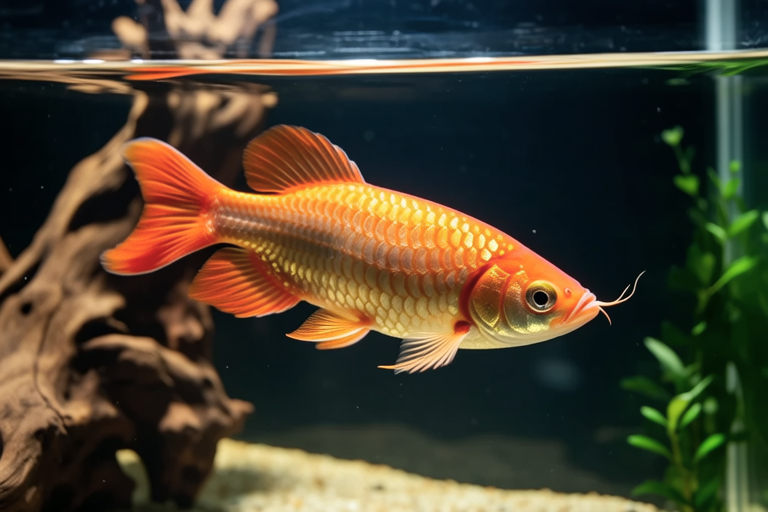
From River to Tank: A Comprehensive Guide to Keeping Arowana as Pets
Arowanas are some of the most majestic and sought-after freshwater fish in the aquarium hobby. These ancient creatures have been around for millions of years, evolving in diverse aquatic environments across the globe. This comprehensive guide will help you understand everything from their natural habitat to the intricacies of keeping them as pets.
The Natural Habitat of Arowanas
Native to the rivers and streams of South America, Africa, and parts of Asia, Arowanas thrive in tropical waters. They prefer areas with dense vegetation, submerged roots, and slow-moving currents. In these environments, they can find ample food sources and protection from predators. The water temperature typically ranges between 75°F to 82°F (24°C to 28°C), with a pH level around 6.5 to 7.5.
Behavior in the Wild vs. Captivity
In the wild, Arowanas are solitary hunters, primarily feeding on insects, small fish, and crustaceans. Their behavior in captivity mimics this predatory nature. They are territorial and may become aggressive towards other fish, especially during feeding times. It’s crucial to provide enough space and hiding spots to reduce stress and potential conflicts.
Essential Tank Setup
Tank Size
Arowanas require large tanks to accommodate their size and swimming patterns. For a single adult Arowana, a tank of at least 180 gallons (680 liters) is recommended. Larger tanks are ideal if you plan to keep more than one or add additional fish as tank mates.
Water Conditions
Maintaining optimal water conditions is vital for the health of your Arowana. Aim for a temperature range of 75°F to 82°F (24°C to 28°C) and a pH level between 6.5 and 7.5. Regular water changes and monitoring parameters like ammonia, nitrite, and nitrate levels are necessary to ensure a healthy environment.
Filtration Systems
Efficient filtration is key to maintaining clean water. High-quality external canister filters or sump systems are preferred due to their capacity to handle large volumes of water effectively. Additionally, consider incorporating a protein skimmer to remove excess organic waste.
Dietary Needs and Feeding Habits
Arowanas are carnivorous and need a diet rich in proteins. Live foods such as feeder fish, earthworms, and insects are highly appreciated. However, they can also be trained to accept frozen or freeze-dried alternatives like krill, brine shrimp, and bloodworms. Feed them two to three times a week, providing an amount they can consume within five minutes.
Growth Rates
Arowanas grow rapidly, reaching lengths of up to three feet (90 cm) in just a few years. Proper nutrition and environmental conditions play a significant role in their growth rate. Ensure they have enough space and suitable food to support healthy development.
Selecting Healthy Arowana
When choosing an Arowana, look for vibrant coloration, clear eyes, and active swimming. Avoid fish showing signs of lethargy, cloudiness in the eyes, or visible injuries. It’s advisable to quarantine new arrivals for a few weeks to monitor their health before introducing them to your main tank.
Common Health Issues and Maintenance
Common health issues include bacterial infections, parasitic infestations, and nutritional deficiencies. Regular water quality checks, balanced diets, and proper tank maintenance can prevent many problems. If you notice any unusual behaviors or physical symptoms, consult with a veterinarian specializing in exotic fish.
Tips for Tank Mates
Choosing appropriate tank mates is crucial to maintaining peace in your aquarium. Large, peaceful species that can coexist without competing for food or territory are ideal. Examples include catfish, pacu, and certain cichlids. Avoid smaller, more timid fish that could become prey.
The Importance of Tank Decoration
Decorating your tank not only enhances its aesthetic appeal but also provides hiding spots and resting areas for your Arowana. Incorporate driftwood, rocks, and plants to mimic their natural habitat. Ensure all decorations are securely placed to prevent accidental damage or injury to your fish.
Legal Aspects of Owning Arowana
The legality of owning Arowana varies by region. In some places, specific permits or licenses are required. Research local regulations thoroughly to avoid legal complications. International trade restrictions may also apply, so it’s essential to verify the origin and import status of any fish you plan to purchase.
Keeping Arowanas as pets is a rewarding experience that requires dedication and knowledge. By understanding their natural habitat, behavior, and specific care requirements, you can create a thriving environment for these magnificent creatures. Whether you’re a novice or an experienced aquarist, following these guidelines will ensure the well-being and happiness of your Arowana.
