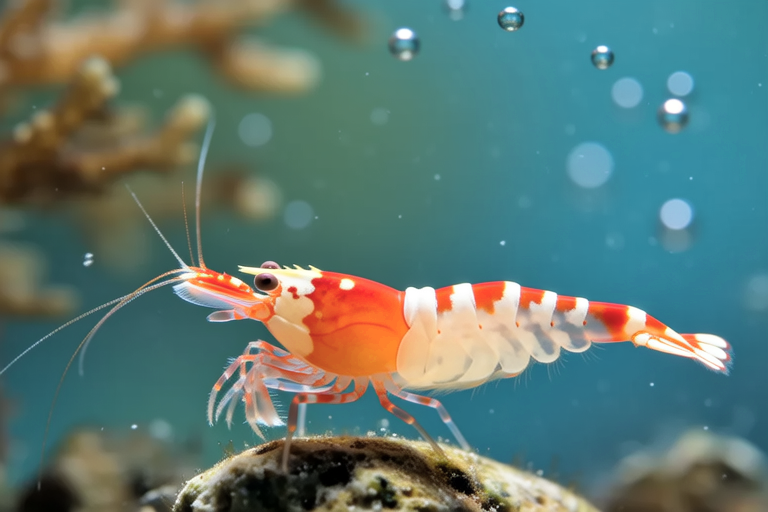
A Beginner’s Guide to Keeping Coral Shrimp Happy and Healthy
Welcome to the wonderful world of coral shrimp! These fascinating creatures can add a splash of color and activity to your aquarium. As a beginner, you might feel overwhelmed by the responsibility of caring for these delicate beings. This guide will provide you with all the necessary information to keep your coral shrimp happy and healthy. We’ll cover ideal tank conditions, water parameters, suitable tank mates, diet requirements, and common health issues. Let’s dive in!
Understanding Coral Shrimp
Coral shrimp (also known as cleaner shrimp) are small crustaceans that come in various species, each with its unique characteristics. They are popular among aquarists because they are peaceful, interesting to watch, and can help maintain the cleanliness of the tank. The most common types of coral shrimp include the scarlet cleaner shrimp, peppermint shrimp, and blood red cleaner shrimp. Each species has specific care needs, but the general guidelines provided here will help you get started.
Ideal Tank Conditions
Creating the right environment for your coral shrimp is crucial for their well-being. Here are some key factors to consider:
- Tank Size: A minimum tank size of 10 gallons is recommended for a single coral shrimp. However, larger tanks are better as they provide more space and stability for water quality.
- Substrate: Use a fine sand substrate to mimic their natural habitat. Avoid sharp or large-grained substrates that could harm your shrimp.
- Hiding Places: Provide plenty of hiding spots with live rock, caves, and crevices. This helps reduce stress and provides a sense of security.
- Water Flow: Maintain moderate water flow to simulate their natural environment. Avoid strong currents that could stress the shrimp.
Water Parameters
Maintaining optimal water parameters is essential for the health of your coral shrimp. Here are the ideal ranges:
- Temperature: Keep the temperature between 72°F and 82°F (22°C to 28°C).
- pH Level: Aim for a pH range of 8.0 to 8.4.
- Ammonia/Nitrite Levels: Both should be at 0 ppm. Regular testing is necessary to ensure a safe environment.
- Nitrate Levels: Maintain nitrate levels below 20 ppm. Higher levels can lead to stress and disease.
- Salinity: For marine environments, keep the salinity at 1.023 to 1.025 specific gravity.
Suitable Tank Mates
Choosing the right tank mates is important to ensure harmony within the tank. Coral shrimp are generally peaceful and can coexist with many other species. However, avoid aggressive fish or invertebrates that may prey on them. Suitable tank mates include:
- Peaceful fish like clownfish, gobies, and damsels.
- Other invertebrates such as snails, hermit crabs, and non-aggressive sea stars.
Avoid placing coral shrimp with predatory fish like lionfish, triggerfish, or large angelfish.
Diet Requirements
Coral shrimp are omnivores and require a balanced diet. In the wild, they feed on algae, detritus, and small organisms. In captivity, you can offer:
- Algae-Based Foods: High-quality algae wafers or flakes specifically designed for herbivorous shrimp.
- Protein Sources: Frozen or freeze-dried foods like brine shrimp, mysis shrimp, or daphnia.
- Variety: Supplement their diet with fresh vegetables like zucchini, spinach, or blanched lettuce.
Feed them once or twice daily, offering only what they can consume within a few minutes. Overfeeding can lead to poor water quality and health issues.
Common Health Issues
Despite proper care, coral shrimp may encounter health problems. Here are some common issues and how to address them:
- Fungal Infections: Look for white patches on the body or legs. Treat with antifungal medications and improve water quality.
- Parasites: Parasitic infections can cause lethargy, loss of appetite, and discolored spots. Consult a veterinarian for appropriate treatments.
- Stress: Stress can weaken the immune system and make shrimp more susceptible to diseases. Reduce stress by providing hiding places and maintaining stable water conditions.
Practical Tips for Maintaining a Thriving Environment
To ensure your coral shrimp thrive, follow these practical tips:
- Regular Water Changes: Perform partial water changes every two weeks to remove toxins and replenish beneficial minerals.
- Monitoring Water Quality: Test water parameters weekly to catch any deviations early.
- Gradual Acclimation: When introducing new shrimp or adding new elements to the tank, acclimate them slowly to prevent shock.
- Observe Behavior: Regularly observe your shrimp for signs of stress or illness. Early detection can lead to timely intervention.
Frequently Asked Questions
Q: How long do coral shrimp live?
A: With proper care, coral shrimp can live up to 2-3 years. Providing a stable environment and a balanced diet can extend their lifespan.
Q: Can coral shrimp breed in an aquarium?
A: While breeding in captivity is possible, it requires specific conditions and is challenging for beginners. It’s best to start with established shrimp and focus on creating a healthy environment.
Q: What should I do if my coral shrimp isn’t eating?
A: Stress, poor water quality, or incompatible tank mates could be the cause. Check water parameters, provide hiding spots, and ensure the food is suitable and fresh.
Q: Do coral shrimp need saltwater?
A: Yes, most coral shrimp species require saltwater to thrive. Ensure the correct salinity levels for marine environments.
Conclusion
Keeping coral shrimp can be a rewarding experience, but it comes with responsibilities. By understanding their needs and providing a suitable environment, you can ensure your shrimp remain happy and healthy. Remember to regularly monitor water quality, offer a varied diet, and choose compatible tank mates. With patience and care, you’ll enjoy watching your coral shrimp thrive in their new home.
