The Surprising World of Hermit Crabs: Fun Facts and Tips
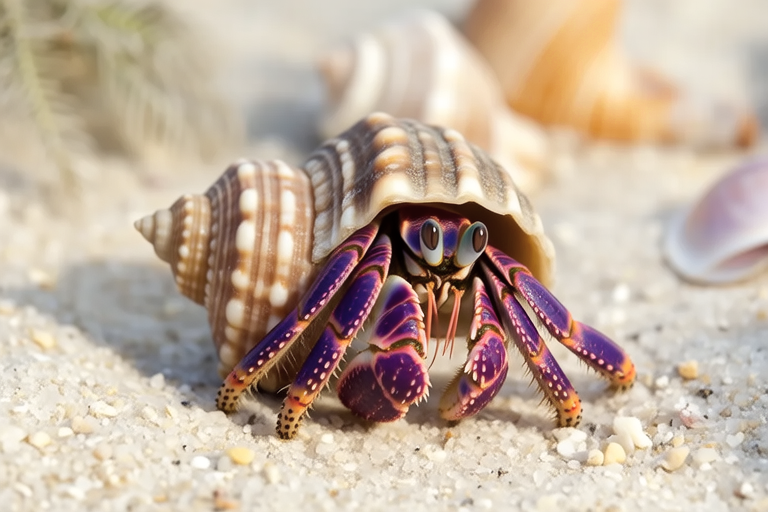
Hermit crabs are fascinating creatures known for their unique lifestyle. Unlike other crustaceans, they do not have a hard shell of their own but instead inhabit discarded mollusk shells for protection. This article delves into the intriguing world of hermit crabs, covering their natural habitat, diet, and the significance of their shells. We will explore fun facts about their behavior, lifespan, and communication methods. Additionally, we’ll provide essential tips for caring for hermit crabs as pets, from setting up their tanks to understanding their feeding habits and common health issues. Finally, we’ll offer advice on enriching their environment and ensuring their well-being.
Natural Habitat and Diet
Hermit crabs can be found in various environments, from tropical beaches to coral reefs and mangrove swamps. They prefer warm, humid conditions, which is why they are commonly found near the shore. In the wild, hermit crabs are omnivores, feeding on algae, dead animals, and plant matter. Their diet is diverse, reflecting their opportunistic nature. As pets, it’s crucial to replicate this diet as closely as possible to ensure their health and longevity.
Their choice of shell is critical for their survival. Hermit crabs select shells based on size, shape, and availability. A poorly fitting shell can lead to discomfort and even injury. As they grow, they must periodically find larger shells to accommodate their expanding bodies. This process can sometimes lead to competition among hermit crabs, especially in densely populated areas.
Fun Facts About Hermit Crabs
Hermit crabs exhibit several surprising behaviors. For instance, they are highly social creatures, often living in large colonies. Despite their solitary appearance, they thrive in groups, benefiting from shared resources and protection. Their communication methods are also quite interesting. While they lack vocal cords, hermit crabs use a variety of signals, such as tapping or scraping their claws against the inside of their shells, to convey messages to each other.
Another fascinating aspect of hermit crab biology is their lifespan. Depending on the species, hermit crabs can live anywhere from 10 to 30 years. Proper care can significantly extend their lives, making them excellent long-term companions. Their ability to regenerate lost limbs is another remarkable feature. If a limb is damaged or lost, a hermit crab can regrow it over time, though this process can take months or even years.
Caring for Hermit Crabs as Pets
Setting up a proper habitat is the first step in caring for hermit crabs. A spacious tank with a secure lid is essential, as hermit crabs are adept climbers. The substrate should be moist and composed of sand or coconut fiber, providing a comfortable environment for burrowing. Adding branches, rocks, and driftwood creates a stimulating environment that mimics their natural habitat. It’s important to include a shallow water dish for drinking and soaking, as well as a source of fresh, clean water for occasional bathing.
Feeding hermit crabs is relatively straightforward but requires attention to detail. A balanced diet includes a variety of foods such as fruits, vegetables, and protein-rich options like fish flakes or pellets. Avoid feeding them processed human foods, as these can be harmful. Providing calcium sources, such as cuttlebone or crushed eggshells, supports their exoskeleton development. Regularly offering new food items encourages exploration and keeps their diet varied.
Common health issues in hermit crabs include molting complications, shell disease, and parasitic infections. Molting is a natural process during which hermit crabs shed their exoskeleton to grow. During this time, they require extra care, including increased humidity and a quiet environment. Shell disease, caused by bacteria or fungi, can lead to the deterioration of the shell. Parasites can also affect hermit crabs, necessitating prompt treatment with antiparasitic medications.
Enriching Their Environment
To ensure the well-being of your hermit crabs, it’s important to enrich their environment. Providing a variety of shells of different sizes and shapes allows them to choose the most comfortable one. Introducing new objects periodically stimulates their curiosity and prevents boredom. Maintaining optimal temperature and humidity levels is crucial, as hermit crabs are sensitive to environmental changes. Regular cleaning of the tank prevents the buildup of harmful bacteria and ensures a healthy living space.
In conclusion, hermit crabs are captivating creatures with unique lifestyles and behaviors. By understanding their natural habitat, diet, and communication methods, we can better appreciate their complexity. Caring for hermit crabs as pets involves creating a suitable environment, providing a balanced diet, and addressing common health issues. Enriching their environment with new stimuli and maintaining optimal conditions ensures their happiness and longevity. Whether you’re a seasoned enthusiast or a first-time owner, hermit crabs offer endless opportunities for learning and enjoyment.
