The Intricate Lives of Koi Fish
Koi fish, with their vibrant colors and graceful movements, have captivated humans for centuries. These freshwater fish are not only admired for their aesthetic appeal but also for their complex behaviors and social structures. Understanding the intricacies of koi life can enhance the experience of those who keep them as pets or simply admire them from afar.
Natural Behaviors and Social Structures
Koi fish exhibit a range of natural behaviors that reflect their social nature. They are generally peaceful and thrive in groups, often forming hierarchies within their community. In the wild, koi live in large schools, swimming together in rivers, ponds, and lakes. Their social structure is based on dominance, where older, larger fish tend to be at the top of the hierarchy. This social behavior translates well into captivity, making koi an excellent choice for communal ponds.
One of the most fascinating aspects of koi behavior is their intelligence. Koi can recognize their caretakers and even learn to anticipate feeding times. They are known to perform acrobatic leaps out of the water when excited or during feeding sessions. This playful behavior adds to the enjoyment of watching koi in a pond.
Diverse Species and Colorations
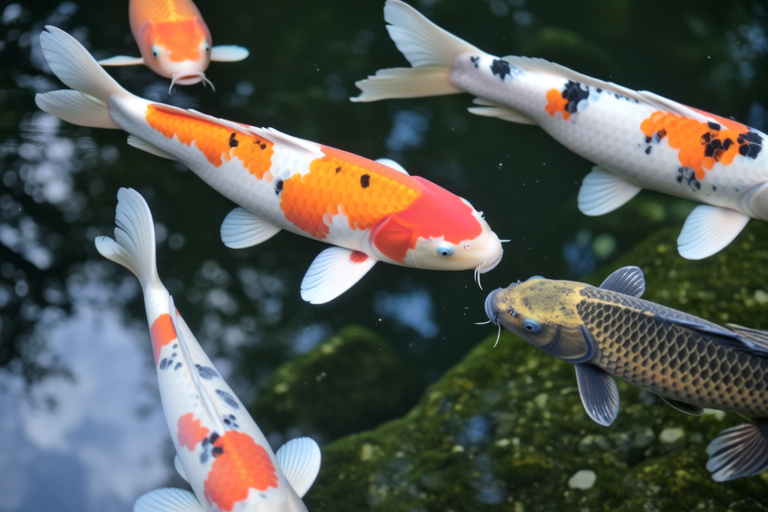
Koi come in a wide variety of species, each with its own distinct characteristics and colorations. The most common types include the Kohaku (white body with red patterns), Sanke (white body with red and black patterns), Showa (black body with white and red patterns), and Taisho Sanshoku (red and white patterns on a black base).
Other notable varieties include the Ogon (single-color metallic scales), Utsurimono (black with one contrasting color), and Bekko (white, yellow, or red with black spots). Each breed has its unique charm, and enthusiasts often seek out rare or unusual color combinations.
Habitat and Water Quality
A proper habitat is crucial for the health and well-being of koi fish. In the wild, koi inhabit calm, shallow waters with plenty of vegetation for cover. In captivity, it is essential to replicate these conditions as closely as possible. A well-designed pond with ample space, filtration systems, and oxygenation is key to maintaining a healthy environment for koi.
Water quality plays a significant role in the health of koi. Ammonia, nitrite, and nitrate levels must be monitored regularly, as high concentrations of these substances can be toxic to the fish. Proper filtration, regular water changes, and the use of beneficial bacteria help maintain optimal water conditions.
History and Evolution Through Selective Breeding
The history of koi dates back over a thousand years, with origins in East Asia, particularly Japan. Originally, koi were bred for food, but over time, their aesthetic value became more prominent. In the late 19th century, selective breeding began in earnest, focusing on enhancing coloration and patterns. This process has led to the development of the numerous varieties we see today.
Selective breeding continues to play a vital role in the evolution of koi. Breeders carefully select parent fish with desirable traits, ensuring the next generation inherits the best characteristics. This ongoing effort has resulted in increasingly vibrant and intricate patterns, making koi one of the most visually stunning fish species available.
Symbiotic Relationships and Challenges
Koi thrive in ecosystems that support a variety of flora and fauna. Aquatic plants provide oxygen, shade, and hiding places for koi, while beneficial bacteria and microorganisms help break down waste products. Maintaining a balanced ecosystem is crucial for the overall health of the pond.
Despite their resilience, koi face several challenges in both natural and captive environments. Predators such as herons, raccoons, and larger fish pose threats, especially in smaller ponds. Additionally, diseases like koi herpesvirus and parasites can affect their health. Regular monitoring and prompt treatment are necessary to address these issues effectively.
Joy and Tranquil Beauty
Owning koi can be a rewarding and joyful experience. Watching these magnificent creatures swim gracefully through the water provides a sense of peace and tranquility. Many people find solace in the serene atmosphere created by a well-maintained koi pond, making it an ideal addition to any garden or backyard.
Tips for Beginners
For those new to koi keeping, there are several important considerations:
- Pond Design: Ensure the pond is appropriately sized and designed to accommodate the number of koi you plan to keep. Incorporate features such as filtration systems, aeration, and UV sterilizers to maintain water quality.
- Feeding: Feed koi a balanced diet consisting of pellets, flakes, and occasional treats like vegetables or freeze-dried foods. Avoid overfeeding, as excess food can pollute the water.
- Maintenance: Regularly clean the pond, check water parameters, and monitor the health of your koi. Early detection of potential issues can prevent serious problems.
- Protection: Protect koi from predators by installing netting, bird spikes, or other deterrents around the pond.
By following these guidelines and investing time in learning about koi care, beginners can enjoy the beauty and companionship of these remarkable fish.
Conclusion
Koi fish are more than just colorful decorations for ponds; they are intelligent, social animals with rich histories and complex behaviors. Understanding their needs and providing appropriate care allows caretakers to fully appreciate the tranquil beauty these fish bring to any environment. Whether you’re a seasoned enthusiast or a newcomer to the world of koi, there is always something new to learn and enjoy about these captivating creatures.
