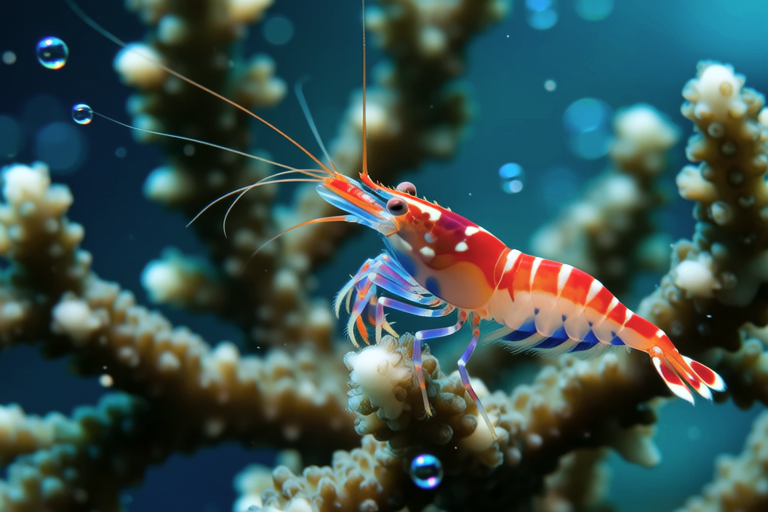
The Ultimate Guide to Keeping Coral Shrimp Happy and Healthy
Welcome to the ultimate guide to keeping coral shrimp happy and healthy! Whether you’re a novice aquarist or an experienced hobbyist, this comprehensive guide will provide you with all the information you need to create the perfect environment for your coral shrimp. From setting up the ideal aquarium to understanding their behavior and dietary needs, we’ve got you covered.
Setting Up the Perfect Aquarium Environment
Creating the right habitat for coral shrimp is crucial to their well-being. Start by selecting an appropriate tank size; a 20-gallon tank is generally sufficient for a small group of coral shrimp. Ensure that the tank has a tightly fitting lid to prevent these skilled escape artists from making a break for it. Incorporate plenty of live rock and corals, as they serve as both shelter and food sources for the shrimp. Live rock provides hiding spots and a surface for beneficial bacteria to grow, which helps maintain water quality. Corals offer grazing opportunities and contribute to the aesthetic appeal of your aquarium.
Adequate filtration is essential for maintaining clean water. Choose a high-quality filter that can handle the bioload of your shrimp and any other inhabitants. Additionally, include a protein skimmer to remove organic waste before it breaks down and pollutes the water. Regular water changes (about 10-20% weekly) help keep the water fresh and nutrient levels balanced.
Ideal Water Parameters
Maintaining stable water conditions is vital for the health of coral shrimp. Aim for a pH level between 8.0 and 8.4, a specific gravity of 1.023 to 1.025, and a temperature range of 75°F to 82°F (24°C to 28°C). Use a reliable test kit to monitor these parameters regularly. Consistency is key, so try to minimize fluctuations in water chemistry to avoid stressing the shrimp.
Suitable Tank Mates
Choosing compatible tank mates is important for ensuring a peaceful and harmonious aquarium. Coral shrimp are generally peaceful and can coexist with various species, but some fish may view them as a snack. Avoid aggressive or predatory fish such as lionfish, triggerfish, and large wrasses. Instead, opt for docile fish like clownfish, damsels, and gobies. These fish tend to be less likely to bother the shrimp and can even complement each other’s behaviors.
Diet and Feeding Guidelines
Coral shrimp are omnivores, meaning they eat both plant-based and animal-based foods. In the wild, they graze on algae, detritus, and small organisms. To replicate this diet in captivity, offer a variety of foods, including algae wafers, blanched vegetables like zucchini and spinach, and occasional meaty treats like brine shrimp or bloodworms. Feed your shrimp once or twice daily, providing only what they can consume within a few minutes to prevent overfeeding and excess waste.
Common Health Issues and Preventive Measures
Like any aquatic creature, coral shrimp can face health challenges. Some common issues include bacterial infections, parasitic infestations, and environmental stressors. To prevent these problems, maintain pristine water quality through regular maintenance, quarantine new additions to the tank, and observe your shrimp closely for any signs of illness. If you notice lethargy, discolored patches, or abnormal behavior, consult with a veterinarian specializing in marine life for proper diagnosis and treatment.
Understanding Coral Shrimp Behavior
Coral shrimp exhibit fascinating behaviors that make them delightful to watch. They are active during daylight hours, constantly moving around the tank, exploring their surroundings, and cleaning algae from rocks and corals. Stimulate their natural activities by providing ample hiding spots and encouraging exploration. You might even witness them performing “cleaning” duties on your tank’s inhabitants, removing parasites or dead tissue.
Conclusion
In conclusion, keeping coral shrimp happy and healthy requires attention to detail and dedication to their care. By setting up the perfect aquarium environment, maintaining ideal water parameters, choosing suitable tank mates, providing a balanced diet, and addressing potential health issues promptly, you can ensure that your coral shrimp thrive in their new home. With patience and knowledge, you’ll be rewarded with a thriving community of these captivating creatures.
